Some documents quietly carry more weight than expected.
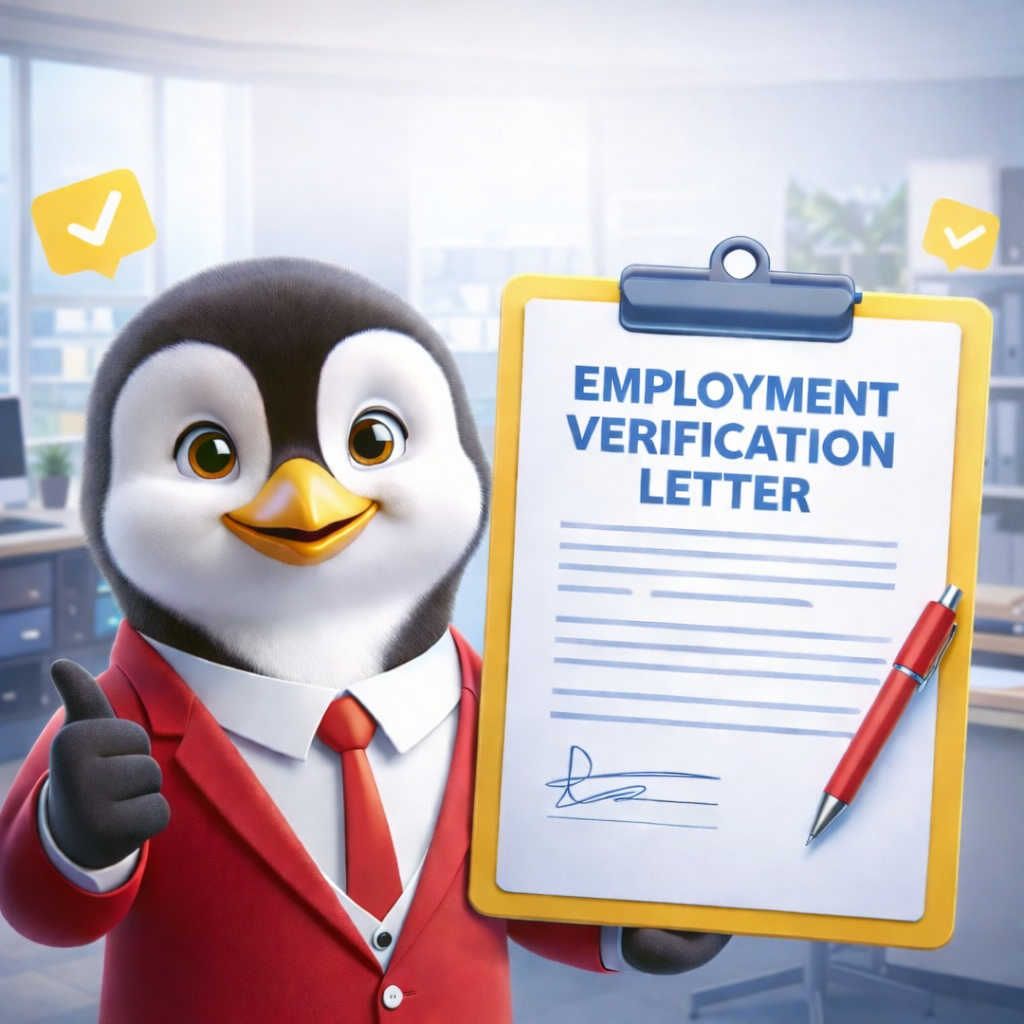
An employment verification letter is one of them.
It might be requested for a home loan, a visa application, a background check, or a new job. Regardless of the reason, the accuracy of this letter often determines whether a process moves forward—or comes to a halt.
For HR teams, writing employment verification letters is not about speed. It is about precision, responsibility, and trust. A single line written incorrectly can trigger delays, disputes, or reputational damage.
That is why this document deserves careful attention.
What an Employment Verification Letter Actually Confirms
An employment verification letter confirms facts, not opinions.
It validates that an individual is or was employed by an organization. It confirms details such as designation, employment period, and sometimes compensation—depending on the request.
Unlike recommendation or experience letters, verification letters are strictly factual. Their purpose is not to impress, but to confirm.
Why Accuracy Matters More Than Tone
Many HR letters rely on polished language. Employment verification letters do not.
Here, accuracy outweighs style. External organizations—banks, embassies, or employers—depend on these letters to make decisions. Any inconsistency between records and the letter can raise red flags.
Therefore, HR teams approach these letters with a verification mindset, not a storytelling one.
When HR Teams Are Asked to Issue Verification Letters
Requests usually arrive during moments of transition or evaluation.
Common situations include:
-
Background verification for new employment
-
Loan or mortgage applications
-
Visa or immigration processes
-
Government documentation
-
Internal audits
Each use case may require a slightly different level of detail. However, the core responsibility remains the same—confirm only what can be verified.
What a Proper Verification Letter Should Always Include
Employee identification details
Full name and employee ID, if applicable.
Employment status
Whether the employee is currently employed or previously employed.
Employment duration
Start date and, if applicable, end date.
Designation or role title
Use official titles, not informal ones.
Issuing authority details
HR department or authorized signatory information.
Clarity in these sections reduces follow-up requests.
What HR Teams Intentionally Leave Out
Not everything belongs in an employment verification letter.
Sensitive information, personal opinions, performance commentary, or unapproved salary disclosures should never be included unless explicitly authorized.
Restricting content protects both the employee and the organization.
Sample Letter Verifying Employment (Simple Structure)
“This letter confirms that [Employee Name] is employed with [Company Name] as [Designation] since [Start Date]. This verification is issued upon request for official purposes.”
Short. Direct. Verifiable.
This format works across industries because it avoids unnecessary detail.
Common Errors That Create Problems Later
Including unverified information
Assumptions or outdated records cause discrepancies.
Using casual language
Informal tone weakens credibility.
Inconsistent dates or titles
Even minor mismatches raise questions during checks.
Delaying responses
Verification timelines are often strict.
Avoiding these mistakes protects HR credibility.
Why Verification Letters Are Legal and Compliance-Sensitive
Employment verification letters often become part of legal or financial decisions. As a result, they may be reviewed closely.
Incorrect information can expose organizations to liability or disputes. That is why many HR teams maintain internal verification checklists before issuing these letters.
Documentation accuracy is not optional here.
How HR Teams Manage Verification Requests at Scale
As organizations grow, verification requests increase. Manual drafting becomes inefficient and inconsistent.
Structured templates and controlled workflows help HR teams maintain consistency without sacrificing accuracy. Each request can then be handled efficiently, with proper review.
Where Technology Adds Practical Value
Handling verification letters manually increases the chance of errors, especially under time pressure.
With tools like the HRTailor.AI HR Letter Generator, HR teams can create structured employment verification letters quickly while ensuring accuracy, consistency, and review-ready drafts. This support allows HR professionals to focus on validation rather than repetitive formatting.
Technology here supports responsibility—not shortcuts.
Why These Letters Reflect Organizational Credibility
Employment verification letters often reach external stakeholders who may never interact with the organization otherwise.
The clarity, accuracy, and professionalism of the letter quietly shape perception. A well-written letter builds confidence. A sloppy one raises doubt.
In many cases, this document speaks on behalf of the company.
Conclusion
Employment verification letters may appear simple, yet they carry significant responsibility. Each letter confirms trust—not just in the employee, but in the organization issuing it.
When HR teams treat these requests with care, accuracy, and consistency, processes move forward smoothly and reputations remain protected. With support from tools like the HRTailor.AI HR Letter Generator, HR teams can manage verification letters efficiently while keeping control, judgment, and accountability firmly in human hands.
Precision matters when facts speak louder than words.