Introduction: Why HRD Policies Matter Today
In a rapidly evolving workplace, HRD policies play a crucial role in shaping how organizations manage employees, maintain discipline, and ensure consistency.
HRD policies are no longer just formal documents—they are essential tools that guide employee behavior, define company standards, and ensure compliance with labor laws.
However, creating and maintaining HRD policies manually can be time-consuming and complex, especially for organizations operating across multiple regions. This is where AI-powered tools are transforming the process.
What Are HRD Policies?
HRD policies, or Human Resource Development policies, are structured guidelines that define how an organization manages employee growth, behavior, and workplace processes.
They cover areas such as:
- Training and development
- Leave and attendance
- Code of conduct
- Performance management
- Employee relations
Well-defined HRD policies ensure that employees clearly understand expectations while helping organizations maintain consistency.
Why HRD Policies Are Important for Businesses
HRD policies are critical for both organizational growth and employee satisfaction.
They help:
- Establish clear workplace rules
- Improve employee engagement
- Reduce conflicts and misunderstandings
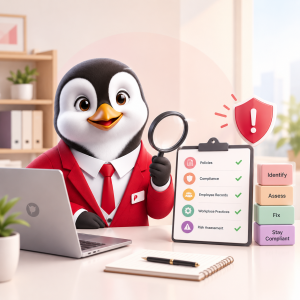
- Ensure compliance with legal requirements
Without proper HRD policies, companies may face confusion, inefficiency, and potential legal risks.
Challenges in Creating HRD Policies
Despite their importance, many organizations struggle to create effective HRD policies due to:
- Lack of legal knowledge
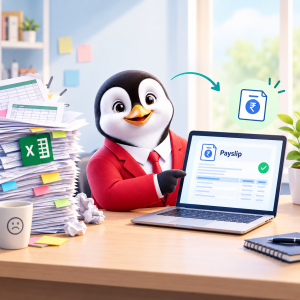
- Time-consuming manual drafting
- Difficulty in adapting policies for different locations
- Risk of outdated or incomplete content
These challenges make it difficult for businesses to maintain strong and compliant HRD policies.
How AI is Transforming HRD Policies
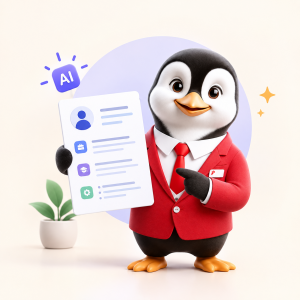
Artificial Intelligence is making it easier to create, update, and manage HRD policies.
AI-powered tools can:
- Generate policies based on location and industry
- Include relevant legal clauses automatically
- Provide structured and standardized formats
- Update content based on regulatory changes
This ensures that HRD policies are not only accurate but also aligned with current business needs.
How HR Policy Builder Simplifies HRD Policies
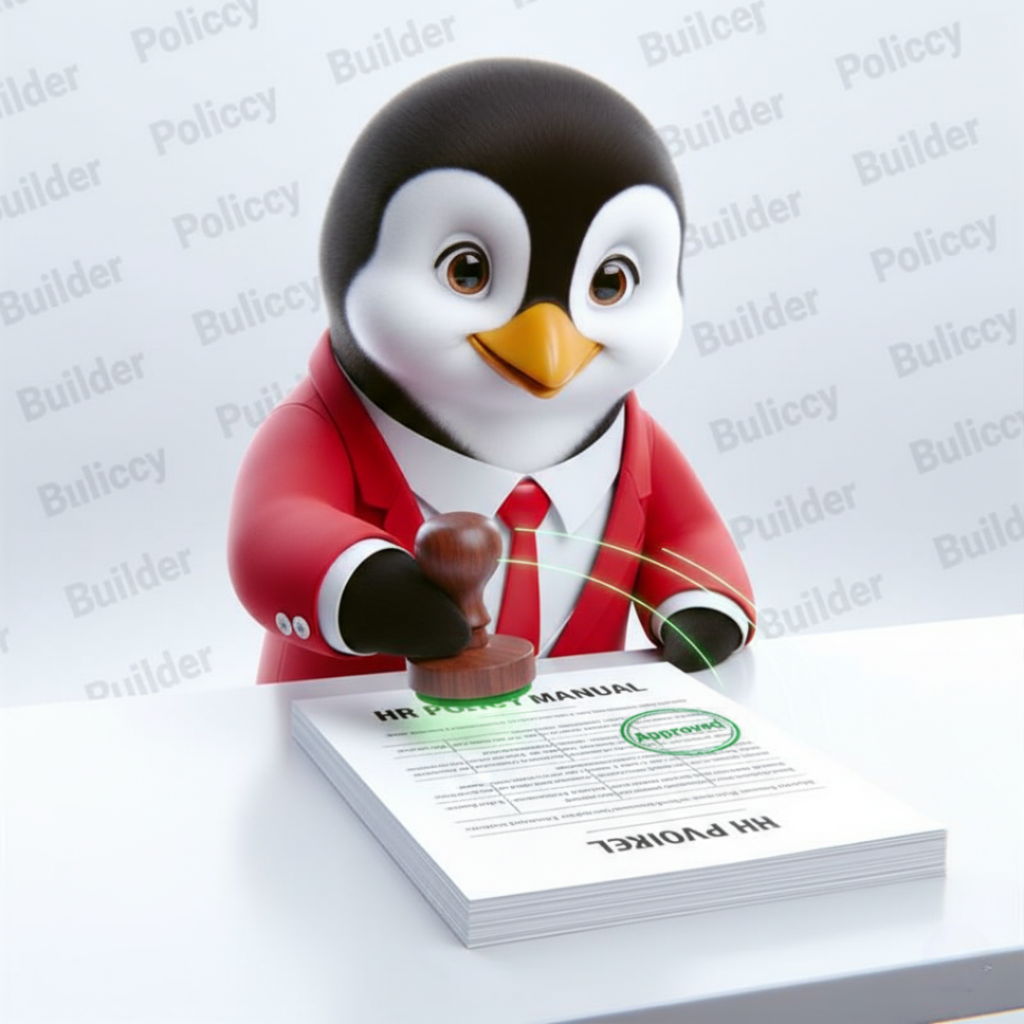
HRTailor.AI’s HR Policy Builder is designed to simplify the process of creating HRD policies.
Instead of starting from scratch, businesses can generate customized policies in minutes by entering basic company details such as location, size, and industry.
This allows organizations to create policies that are both practical and compliant without relying on generic templates.
How HR Policy Builder Works
The process of creating HRD policies with AI is simple:
- Enter company details
- Select the type of policy
- Customize policy parameters
- Generate and download the document
This step-by-step approach ensures that HRD policies are tailored to specific organizational requirements.
Key Benefits of Using AI for HRD Policies
Saves Time
AI reduces policy creation time from weeks to minutes.
Ensures Compliance
Policies are aligned with local labor laws and regulations.
Improves Consistency
Standardized formats ensure uniformity across all policies.
Reduces Errors
Automation minimizes the risk of missing important details.
Supports Global Teams
AI adapts policies for different countries and regions.
Types of HRD Policies Every Organization Should Have
To build a strong HR framework, organizations should include:
- Leave and attendance policy
- Code of conduct
- Remote work policy
- Performance management policy
- Grievance handling policy
These HRD policies create a structured work environment and improve employee clarity.
Common Mistakes to Avoid in HRD Policies
Many organizations make avoidable mistakes such as:
- Using outdated templates
- Ignoring location-specific regulations
- Creating overly complex policies
- Failing to update policies regularly
Using AI tools helps eliminate these issues and ensures that HRD policies remain relevant and effective.
When Should You Update HRD Policies?
HRD policies should be reviewed and updated:
- When labor laws change
- During company expansion
- When introducing new work models (remote/hybrid)
- During organizational restructuring
Regular updates ensure that policies remain aligned with business and legal requirements.
How HRTailor.AI Supports HRD Policies Globally
HRTailor.AI helps organizations create and manage HRD policies across 190+ countries.
It ensures that policies are tailored to local laws while maintaining consistency across global teams. This makes it a valuable tool for both startups and large enterprises.
Conclusion: Building Strong HRD Policies for the Future
HRD policies are the foundation of a well-structured organization. As workplaces become more dynamic and global, the need for accurate and adaptable policies continues to grow.
AI-powered solutions are making it easier to create and maintain these policies without complexity. Platforms like HRTailor.AI enable businesses to generate structured, compliant HRD policies quickly and efficiently.
By adopting modern tools, organizations can ensure clarity, consistency, and long-term success.