HR Audit Checklist: What HR Teams Usually Review
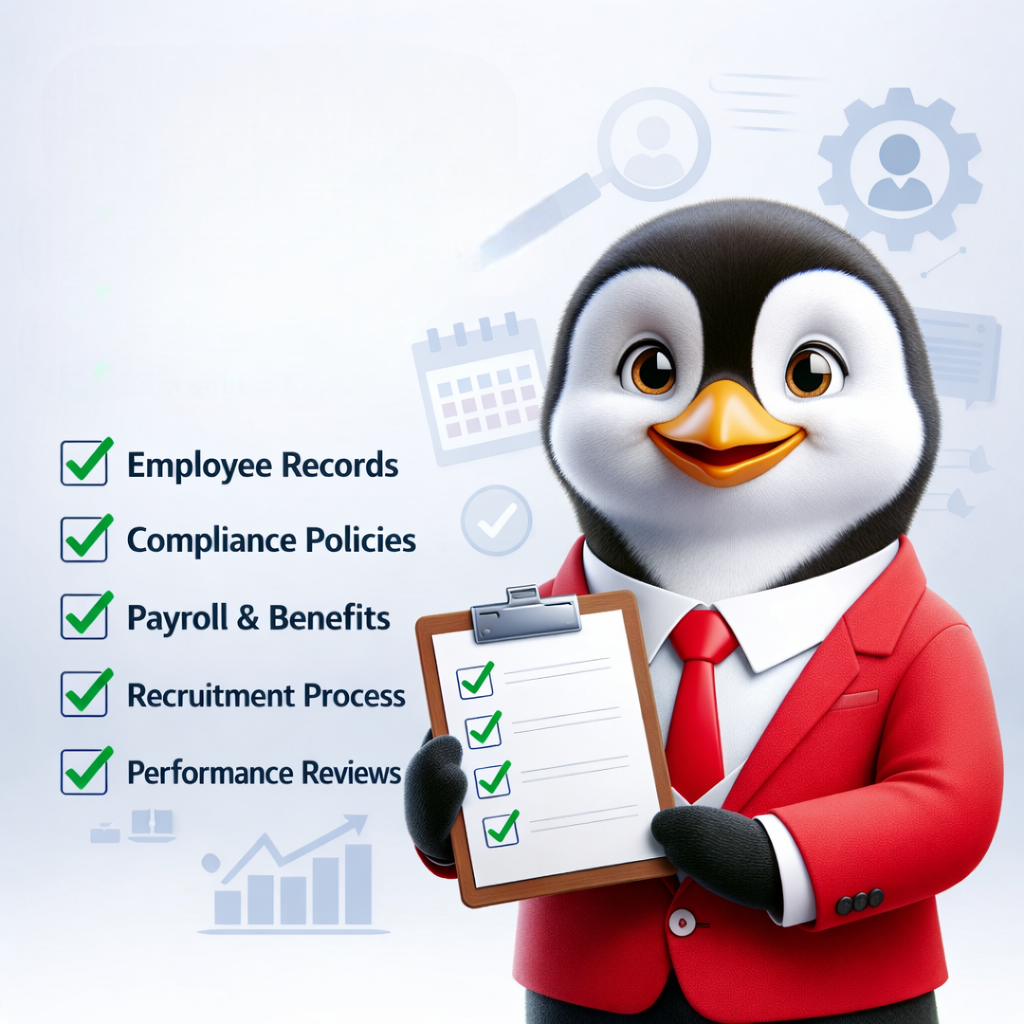
HR Audit Checklist: What HR Teams Usually Review
The word “audit” can make your stomach drop a little.
Even if you’ve done nothing wrong, it still feels like someone is about to look under the hood and judge the way you’ve been running things. And when you’re in HR, that pressure hits differently—because it’s not just about numbers. It’s about people, trust, and the quiet promise that your workplace is fair, safe, and structured.
That’s exactly why an HR audit matters. It’s not a punishment. It’s a reality check that helps you breathe easier.
So, let’s slow this down and make it simple. An HR audit is a structured review of your HR processes, documents, and compliance practices. It helps you spot gaps before they turn into costly mistakes. It also protects employees, because policies and records are not “paperwork.” They’re proof that the organisation is doing the right thing.
If you’ve been searching for a clear hr audit check list to follow, you’re in the right place. This guide explains what HR teams usually review—and why it matters more than most people admit.
What an HR audit is really checking
An HR audit usually looks at two big things:
-
Are we following the rules we’re expected to follow?
-
Are our internal HR systems consistent and reliable?
In India, for example, many compliance workflows increasingly connect to digital reporting and documentation expectations through government-backed portals and online employer systems. That shift makes clean records and timely processes even more important than before.
Now, let’s walk through the areas HR teams commonly review. Think of this as your practical, real-world hr audit check list—written like a human, not a textbook.
1) Employee files and documentation
This is usually the first stop, because it’s where small mistakes hide.
HR teams review employee records for completeness and consistency, such as:
-
offer letters and appointment letters
-
ID and address proof records (as applicable)
-
job descriptions and role changes
-
salary revisions and acknowledgement trails
-
resignation, exit letters, and final settlement notes
Missing a document doesn’t always mean non-compliance, but it creates confusion. And confusion is exactly what audits expose.
Also, if multiple versions of letters exist in different folders, that’s a red flag. A clean file should tell one clear story from joining to exit.
2) HR policies and acknowledgements
Policies are not meant to sit quietly on a shared drive. They are meant to guide behaviour, resolve conflict, and reduce risk.
During an audit, HR teams often check:
-
whether policies exist for key areas (leave, attendance, conduct, disciplinary action)
-
whether employees have acknowledged receiving them
-
whether the policy language is updated and easy to understand
-
whether managers actually apply policies consistently
This is where many companies get stuck. Policies exist, yet nobody knows which version is “final.” That’s how trouble begins.
If you’ve ever read something like why manual compliance tracking becomes hard as companies grow, you already know the pattern: growth adds versions, exceptions, and chaos unless structure is built early.
3) Payroll, statutory contributions, and filing readiness
Even when payroll runs smoothly, compliance can still slip quietly. That’s why audits often double-check the foundations.
In India, employer processes like EPFO online ECR/challan workflows and ESIC contribution timelines create clear expectations around submissions and due dates. ESIC guidance, for instance, points to contribution payment being due within a prescribed window tied to the wage month.
HR teams typically review:
-
wage and salary structure alignment with internal policy
-
deduction accuracy and consistency
-
contribution and remittance proofs
-
registers, returns, and documentation trails
-
process readiness for portal changes and validations
This part can feel stressful, because it’s not only about doing the work. It’s about being able to prove it quickly.
Also, EPFO has announced system changes such as a revamped ECR with more validations to reduce incorrect submissions, which means messy data becomes even riskier over time.
4) Working hours, leave records, and attendance discipline
Attendance and leave look simple—until they’re questioned.
Audits often check:
-
leave balances and approvals
-
overtime practices and documentation (where applicable)
-
attendance rules and exceptions
-
consistency across teams and locations
If one department gets “special treatment” while another is strictly monitored, it creates employee frustration. And when frustration builds, people ask questions—sometimes formally.
5) Workplace safety, behaviour, and complaint handling
This part is deeply human. It’s also deeply important.
Auditors or internal reviewers may check whether your organisation has:
-
a functioning complaint process
-
clear reporting channels and confidentiality practices
-
documented resolutions and follow-ups
-
awareness practices and policy communication
For sexual harassment prevention requirements in India, the POSH Act lays out duties around complaint handling and committee structures, which is why audit reviews often verify whether the mechanism exists and is active—not just written on paper.
Many HR teams don’t ignore this out of laziness. They ignore it out of overload. Yet audits bring it back to the surface, fast.
6) Vendor and contractor documentation
As companies scale, third-party workers often increase too. That means your risk surface expands.
HR audits may review:
-
vendor agreements that involve manpower
-
contractor compliance documentation (where applicable)
-
clarity of supervision and role boundaries
-
record-keeping and access control
Even if contractors are not on your payroll, the workplace environment still reflects your standards. That’s why this section appears in many hr audit check list reviews.
7) Audit trails and “where is the proof?”
This is the section that separates calm HR teams from stressed HR teams.
Audits don’t only ask: “Did you do it?”
They also ask: “Can you show it?”
So HR teams review:
-
where documents are stored
-
whether access is controlled
-
whether approvals can be traced
-
whether the latest versions are identifiable
When proof lives in ten places, the organisation feels shaky. When proof lives in one reliable system, the entire audit feels lighter.
How to prepare without burning out
Here’s what helps, even if you’re short on time:
-
Start with a single master checklist and build outward
-
Fix repeated gaps first (missing files, outdated policies, inconsistent letters)
-
Standardise templates for letters and policies
-
Create a monthly mini-review habit so audits don’t feel like surprise attacks
Most importantly, don’t try to “remember” compliance. Build a system that remembers for you.
Conclusion: Make audits feel like a routine, not a scare
An audit doesn’t have to feel like fear. It can feel like control returning.
If you want a simpler way to organise your hr audit check list without juggling spreadsheets and scattered folders, that’s where HRTailor.AI fits naturally into your workflow. HRTailor.AI is an AI-based HR tool designed to support HR professionals and employers in creating HR policies and HR letters for employees, helping organisations stay smooth, structured, and consistent.
For this exact need, our Compliance Checklist Generator helps you build a clean, practical audit-ready checklist faster—and keep it updated as your organisation grows. And when you sign up, you get 10,000 free credits, so you can start building your process immediately without hesitation.
You deserve an HR system that supports you back. The right structure makes that possible.

Frequently Asked Questions
Many teams do a light internal review quarterly and a deeper audit annually, especially during growth or policy changes.
Yes. In fact, early audits prevent painful clean-ups later when hiring speeds up.
Employee files, policy acknowledgements, payroll and contribution proofs, and a clear audit trail for approvals and changes.
What a Complete Employee Onboarding Checklist Actually Covers.
What a Complete Employee Onboarding Checklist Actually Covers. Introduction A...
Read More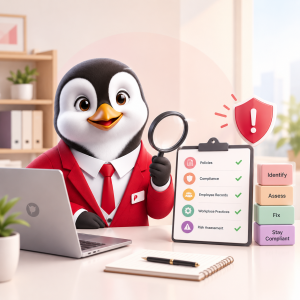
How to Run an HR Audit That Finds Risk Before It Costs You.
How to Run an HR Audit That Finds Risk Before...
Read More
Why HR Teams Swap Spreadsheets for a Payslip Generator.
Why HR Teams Swap Spreadsheets for a Payslip Generator. Introduction...
Read More
Build a Job Ready Resume in Minutes With an AI Resume Builder.
Build a Job Ready Resume in Minutes With an AI...
Read More