Job hunting today can feel like a full-time job. Roles appear and disappear quickly. Recruiters scan applications in seconds. And in many companies, software filters resumes before a human even sees them. Because of this, job seekers are looking for tools that help them move faster while still looking professional.
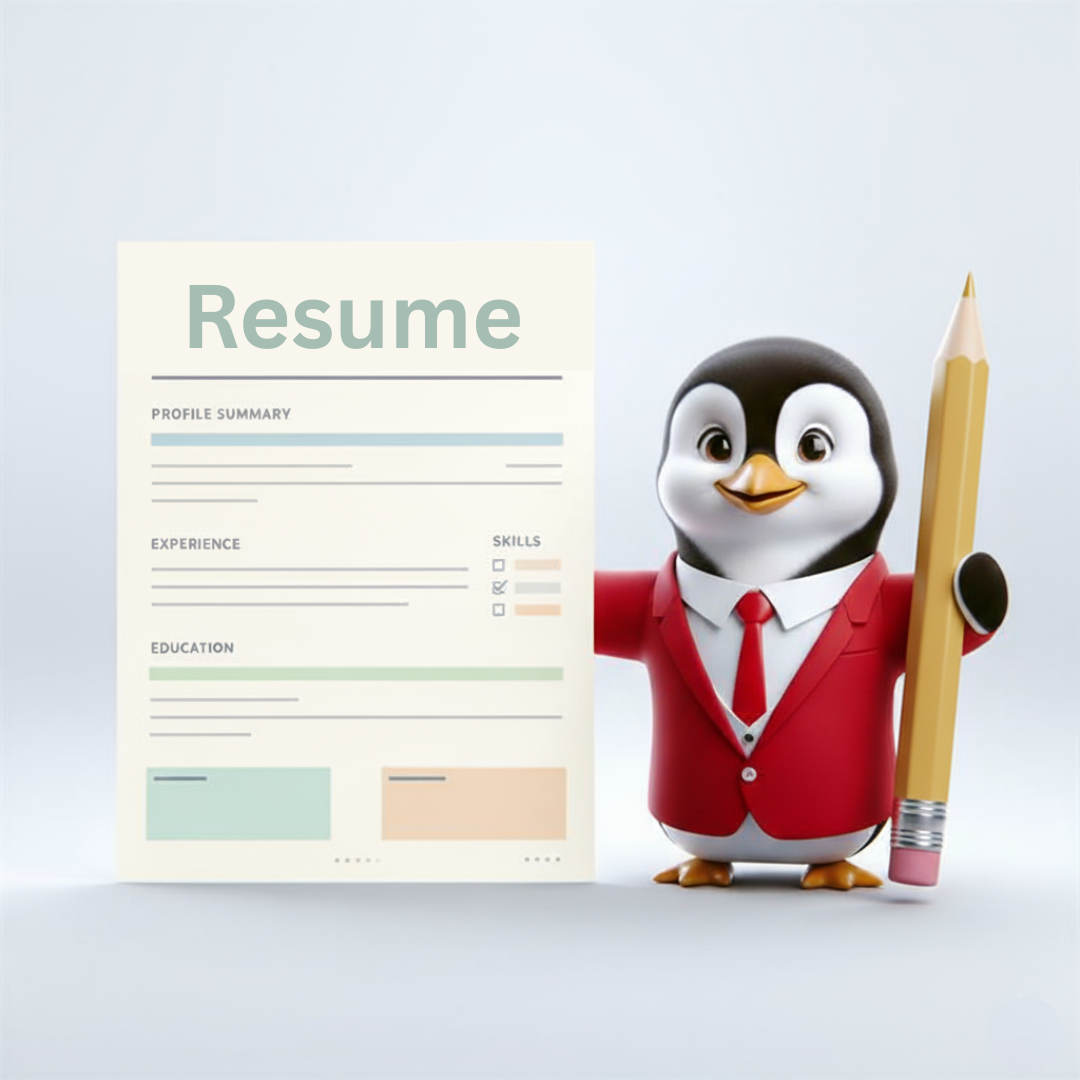
That’s exactly why a resume builder has become a go-to option. It isn’t just about choosing a template. Instead, it’s about reducing friction during applications— so candidates can focus on relevance, clarity, and impact.
Let’s explore why these tools are now so common, what they actually solve, and how job seekers use them in real life.
Job seekers need speed, but they can’t sacrifice quality
Applying for jobs used to mean sending a resume to a few companies. However, most people now apply to many roles across multiple platforms. As a result, time is limited—and mistakes happen.
A builder helps people create a strong resume faster by:
-
Keeping formatting consistent
-
Making edits quick and safe
-
Allowing easy section updates
-
Producing a polished final output without layout stress
So, the resume looks clean and confident even when applications are being sent in bulk.
Recruiters scan first, then decide what to read
Recruiters rarely read every line. Instead, resumes are scanned for signals:
-
Relevant title and summary
-
Skills that match the role
-
Recent experience and achievements
-
Clear structure and readability
Therefore, the way your resume is structured can influence how quickly your strengths are noticed.
A resume builder supports better scanning through:
-
Clear headings and spacing
-
Bullet-based achievement formatting
-
Strong section hierarchy
-
Balanced white space that reduces visual fatigue
In short, it makes your resume easier to “get” in seconds.
ATS filters make structure and keywords more important
Applicant Tracking Systems (ATS) are still widely used. Even when humans review resumes, ATS may decide which ones reach them first.
Because of that, job seekers prefer tools that encourage an ATS-friendly approach, such as:
-
Standard section titles (Summary, Skills, Experience)
-
Simple layouts that parse correctly
-
Clean PDF or DOC exports
-
No heavy graphics that break scanning
When your resume is readable by both ATS and humans, your chances improve.
One base resume, many “job-ready” versions
Most job seekers aren’t applying to just one type of role. Instead, they’re exploring a few close options to improve their chances. For instance, the same candidate might target:
-
Growth Marketing
-
Performance Marketing
-
Brand & Communications
While these roles overlap, hiring managers look for different proof. One job may care about ROI and ads. Another may care about messaging and storytelling. Because of that, a single generic resume often feels “almost right,” but not perfect.
This is where tools become practical. A builder lets you create multiple versions quickly by:
-
Adjusting your top summary to match the role
-
Highlighting the most relevant skills near the top
-
Switching the order of projects or achievements
-
Keeping the design consistent while the content changes
So, your resume stays sharp and targeted—without you rebuilding it every time.
Templates reduce anxiety and boost confidence
Many people delay applying because they feel their resume “doesn’t look good enough.” Others worry their formatting is wrong. Meanwhile, that hesitation costs opportunities.
A builder removes that uncertainty. The design is already handled, so candidates can focus on the message. As a result, confidence improves—and applications happen faster.
That matters, because job search success is often about consistent action.
It helps convert duties into achievements
A common weakness in resumes is that they read like job descriptions:
-
“Responsible for…”
-
“Handled…”
-
“Worked on…”
Recruiters prefer impact. So, many resume tools encourage stronger writing formats like:
-
Action + outcome bullets
-
Metrics and measurable results
-
Short, scannable statements
-
Clear project or role impact
Even small changes help. For instance, “Managed customer support” becomes “Resolved 30+ customer queries daily while maintaining high satisfaction.”
Organization becomes easier during high-volume applying
Job seekers often end up with many resume versions. Then problems show up:
With tools, version control becomes simpler. Many candidates even treat the tool like my resume builder, keeping one base profile and generating role-ready versions when needed.
That structure saves time and reduces errors—especially when applying under pressure.
It supports modern job searching across devices
Job searching is no longer desktop-only. People apply from phones, edit on laptops, and review documents on tablets. So, resumes must remain consistent across devices.
Resume builders help by producing clean formats that:
-
Stay readable on mobile screens
-
Keep spacing stable
-
Avoid layout issues across platforms
-
Export professionally without surprises
This matters more than people realize—because many recruiters open resumes on screens, not paper.
What job seekers should still do (even with a tool)
A builder can’t replace good judgment. To get the best result, candidates should still:
-
Read the job description carefully
-
Match skills honestly and naturally
-
Use real achievements and metrics
-
Keep bullets short and specific
-
Proofread before exporting
The tool helps you present better. But relevance and clarity still drive results.
Try HRTailor.AI Resume Builder for faster, cleaner applications
If you want a simpler way to create professional, role-ready resumes, Try HRTailor.AI – Resume Builder. It helps you build structured resumes that stay clean, readable, and tailored—so you can apply faster without stressing about formatting.