Introduction
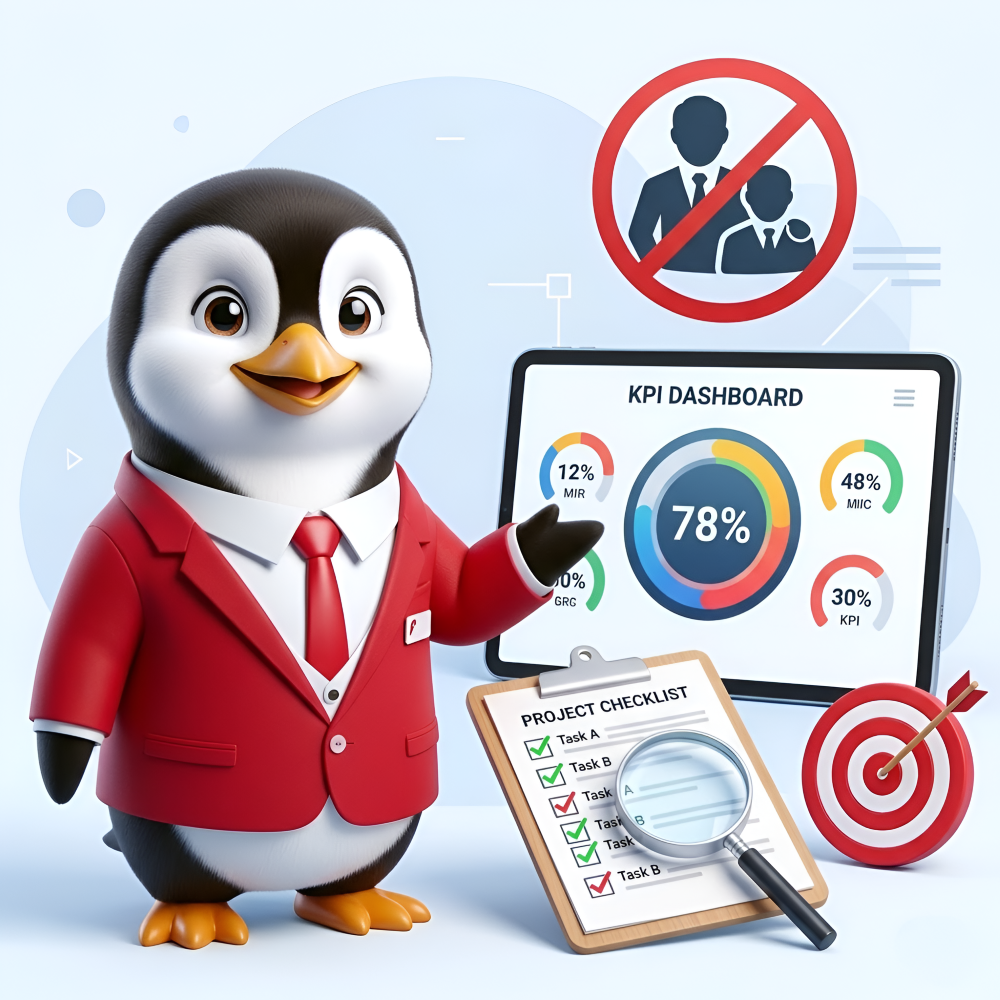
Performance measurement should bring structure and clarity, not constant pressure. Yet in many organizations, KPIs unintentionally create the opposite effect—employees feel monitored instead of supported.
The difference lies in how KPIs are designed and applied. When done well, kpi for employees provides direction while preserving autonomy. When done poorly, it leads to micromanagement and disengagement.
This article explains how organizations can set meaningful KPIs that encourage accountability, trust, and sustainable performance—without hovering over every task.
Why KPI Design Often Triggers Micromanagement
Micromanagement is rarely intentional. It often begins when managers lack visibility or confidence in outcomes. As a result, they compensate by tracking activity instead of impact.
Over-detailed KPIs—such as counting every task or interaction—send a message of control rather than trust. Over time, employees stop thinking independently and focus only on satisfying metrics.
This is why thoughtful KPI design matters as much as performance tracking itself.
The Real Purpose of Employee KPIs
KPIs exist to clarify expectations, not restrict behavior. At their core, they answer three questions:
-
What outcomes matter most?
-
How will success be measured?
-
What level of performance is expected?
When KPIs answer these clearly, employees gain direction without losing flexibility. In this sense, kpi for employees acts as a guidepost, not a rulebook.
Shifting the Focus From Activity to Outcomes
One of the most effective ways to prevent micromanagement is to measure results instead of effort.
For example, tracking completed deliverables or service quality is more meaningful than tracking hours worked. This approach allows employees to choose how they work while remaining accountable for what they deliver.
Outcome-based KPIs also reduce unnecessary reporting and frequent check-ins.
Limiting KPIs to What Truly Matters
More KPIs do not lead to better performance. In fact, too many metrics often dilute focus and increase confusion.
Most roles perform best with a small number of carefully chosen KPIs that reflect core responsibilities. These indicators should highlight priorities rather than every possible task.
When KPIs are limited and relevant, employees can focus on meaningful work instead of managing metrics.
Aligning KPIs With Role-Specific Responsibilities
Generic KPIs often fail because they overlook role differences. What defines success for one role may be irrelevant for another.
For instance, a marketing role may focus on lead quality, while an operations role may prioritize efficiency and accuracy. Applying the same KPIs across roles creates unfair comparisons and frustration.
Using tailored kpi examples for employees helps ensure expectations are realistic, relevant, and aligned with actual responsibilities.
Involving Employees in the KPI-Setting Process
KPIs are more effective when employees help define them. Involving employees early builds clarity and ownership.
When people understand why a KPI exists, they are more likely to commit to it. They are also better positioned to flag unrealistic targets before they become problems.
This collaborative approach transforms KPIs from imposed controls into shared goals.
Using KPIs as Reference Points, Not Daily Checklists
KPIs should guide conversations, not dominate daily workflows. Reviewing them too frequently can feel intrusive, even with good intentions.
Instead, KPIs work best when used in structured check-ins monthly or quarterly, depending on the role. This maintains visibility without constant oversight.
Many teams rely on structured tools, such as a KRA/KPI Builder, to keep expectations clear while avoiding excessive follow-ups.
Encouraging Autonomy Through Clear Boundaries
Clear KPIs actually reduce micromanagement. When expectations are well-defined, managers can step back with confidence.
Employees gain the freedom to manage their own time, experiment with better approaches, and solve problems independently. Meanwhile, managers focus on removing obstacles rather than supervising every detail.
This balance strengthens trust and long-term performance.
Reviewing KPIs as Part of Continuous Development
KPIs should evolve as roles and business priorities change. Treating them as permanent often leads to misalignment.
Regular review cycles allow managers and employees to reflect on what is working and what needs adjustment. These conversations should focus on improvement, not fault-finding.
In many organizations, platforms like HRTailor.AI are used to document and refine KPIs over time, helping teams maintain consistency while adapting to change.
Avoiding Common KPI Mistakes
Even well-intentioned KPIs can fail if applied incorrectly. Common pitfalls include:
-
Measuring effort instead of impact
-
Comparing performance across unequal roles
-
Ignoring context behind numbers
-
Using KPIs only during appraisal cycles
Avoiding these mistakes ensures KPIs remain supportive rather than restrictive.
Building Trust Through Thoughtful KPI Design
The ultimate goal of KPIs is clarity not control. When employees feel trusted, they take greater ownership of outcomes.
By focusing on results, limiting metrics, and encouraging open dialogue, organizations can use KPIs to empower employees rather than constrain them.
In this way, kpi for employees becomes a tool for growth, not pressure.
Conclusion: Performance With Clarity, Not Control
KPIs do not have to lead to micromanagement. When designed with intention, they create structure while preserving independence.
The right KPIs help employees understand success, manage priorities, and grow in their roles while giving managers the insight they need without constant oversight.
That balance is what turns performance measurement into performance enablement.