Why Structure Matters in Modern Job Descriptions
Clarity Supports Better Conversations
Clear structure helps candidates understand expectations faster. At the same time, it helps hiring managers and HR teams align before a role goes live.
Instead of starting with a blank page, structure provides a shared starting point. From there, details can be refined collaboratively.
Consistency Strengthens Employer Communication
Consistency does not mean uniformity. Rather, it ensures that all job descriptions communicate with the same level of professionalism and intent.
When candidates read multiple listings from the same organization, familiar structure builds trust and reduces confusion.
Flexibility Remains Essential
Templates work best when they allow room for nuance. Different teams, seniority levels, and responsibilities require different emphasis.
A good template supports this flexibility instead of limiting it.
What a Thoughtful Job Description Template Includes
A Clear Role Overview
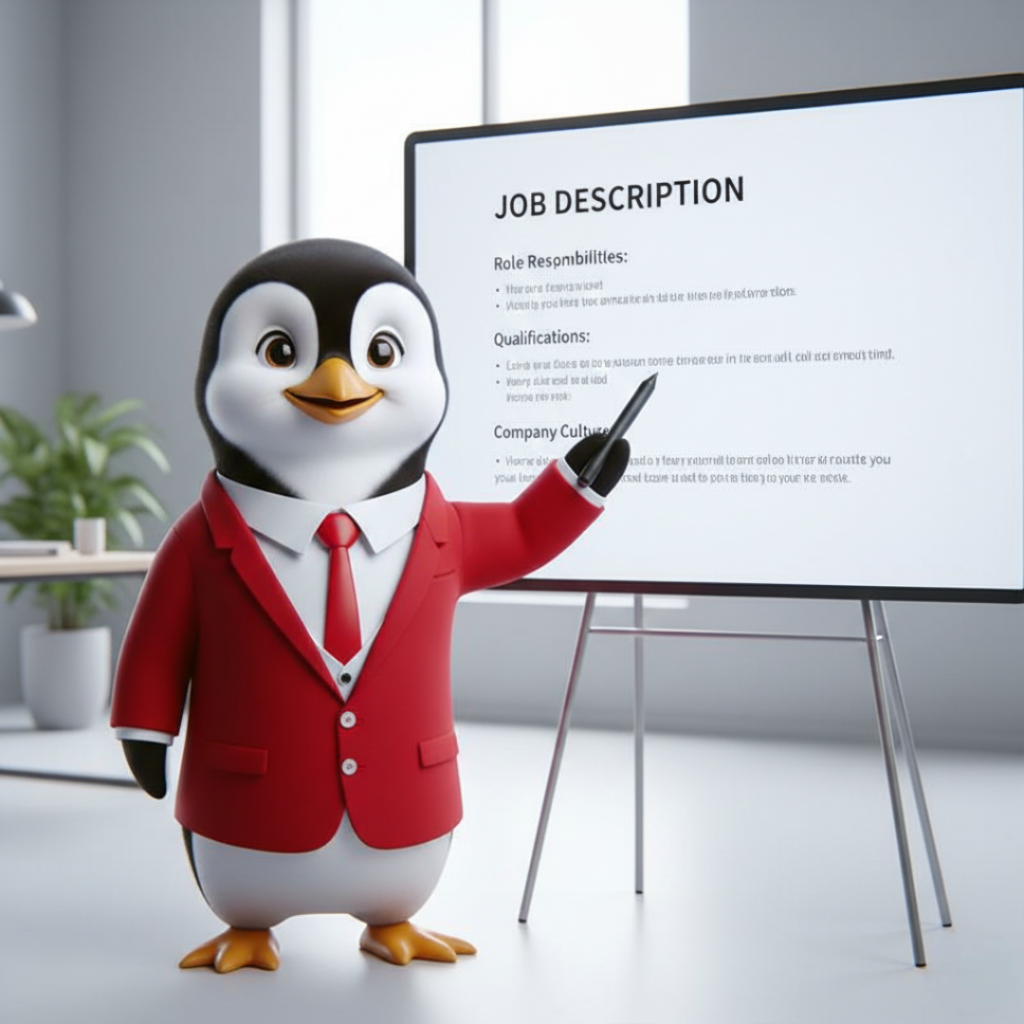
This section explains why the role exists and how it fits within the organization. It sets context without overwhelming the reader.
Short, focused language works best here. As a result, candidates quickly understand relevance.
Defined Responsibility Areas
Rather than long task lists, responsibilities are grouped by themes or outcomes. This makes the role easier to visualize.
It also allows HR teams to adjust emphasis based on real needs, not assumptions.
Capability and Experience Guidance
Instead of rigid checklists, effective templates encourage clarity around essential skills while allowing room for growth potential.
This approach supports inclusive hiring and realistic expectations.
Insight Into the Work Environment
Candidates care about how work gets done. Clear sections around collaboration, autonomy, or pace help applicants assess fit early.
As a result, alignment improves on both sides.
How Templates Support—Not Replace—HR Expertise
A Framework for Professional Judgment
Templates don’t write job descriptions. People do. Templates simply ensure that important areas are considered every time.
This allows HR teams to apply their judgment consistently, without unnecessary repetition.
A Tool for Collaboration
Templates make it easier for HR and hiring managers to collaborate. When everyone works within the same structure, feedback becomes clearer and faster.
Instead of debating format, teams can focus on substance.
A Way to Maintain Quality at Scale
As hiring volume increases, maintaining quality becomes challenging. Templates help preserve clarity and professionalism without increasing workload.
They act as a reference point, not a rulebook.
Common Misconceptions About Job Description Templates
“Templates Make Descriptions Sound Generic”
Only when they are used without customization. Well-designed templates encourage thoughtful editing, not copy-paste behavior.
“One Template Must Fit Every Role”
Effective templates are modular. Sections can be emphasized, reordered, or adapted based on role type.
“Templates Limit Employer Branding”
In reality, they support it. Consistent structure allows tone and culture to shine more clearly.
Customizing Templates the Right Way
Start With the Role, Not the Template
The role’s purpose should always guide customization. Templates simply help organize that thinking.
Keep Language Human and Direct
Plain language improves understanding. It also reflects respect for the candidate’s time.
Short sentences and clear transitions improve flow and readability.
Review and Refine Regularly
Templates should evolve alongside hiring practices. Periodic reviews ensure they stay relevant and useful.
Why This Matters for Hiring in 2026
Hiring today is about alignment, transparency, and trust. Job descriptions play a central role in setting that tone.
A thoughtfully used Sample Job Description Template helps HR teams maintain clarity while adapting to changing needs. It supports expertise instead of overshadowing it.
When structure and human judgment work together, hiring becomes more effective and more sustainable.
Final Thoughts
Strong hiring starts with clear communication. Job description templates, when used thoughtfully, support that clarity without taking control away from HR teams.
With the HRTailor.AI Job Description Maker, HR professionals can shape, refine, and customize job descriptions efficiently—while keeping expertise, judgment, and intent at the center of the process.
Clarity works best when it supports people, not replaces them.