Why Clear Job Descriptions Matter More Than Ever
The hiring market in 2026 is highly competitive. Candidates compare roles quickly and move on just as fast. Therefore, clarity is no longer optional.
A well-written job description helps candidates immediately understand the role. It also reduces confusion later in the hiring process. As a result, both recruiters and applicants save time.
Moreover, clear descriptions build trust. When expectations are transparent, candidates feel more confident applying. That confidence often leads to better engagement and higher-quality conversations.
Key Elements of a Professional Job Description
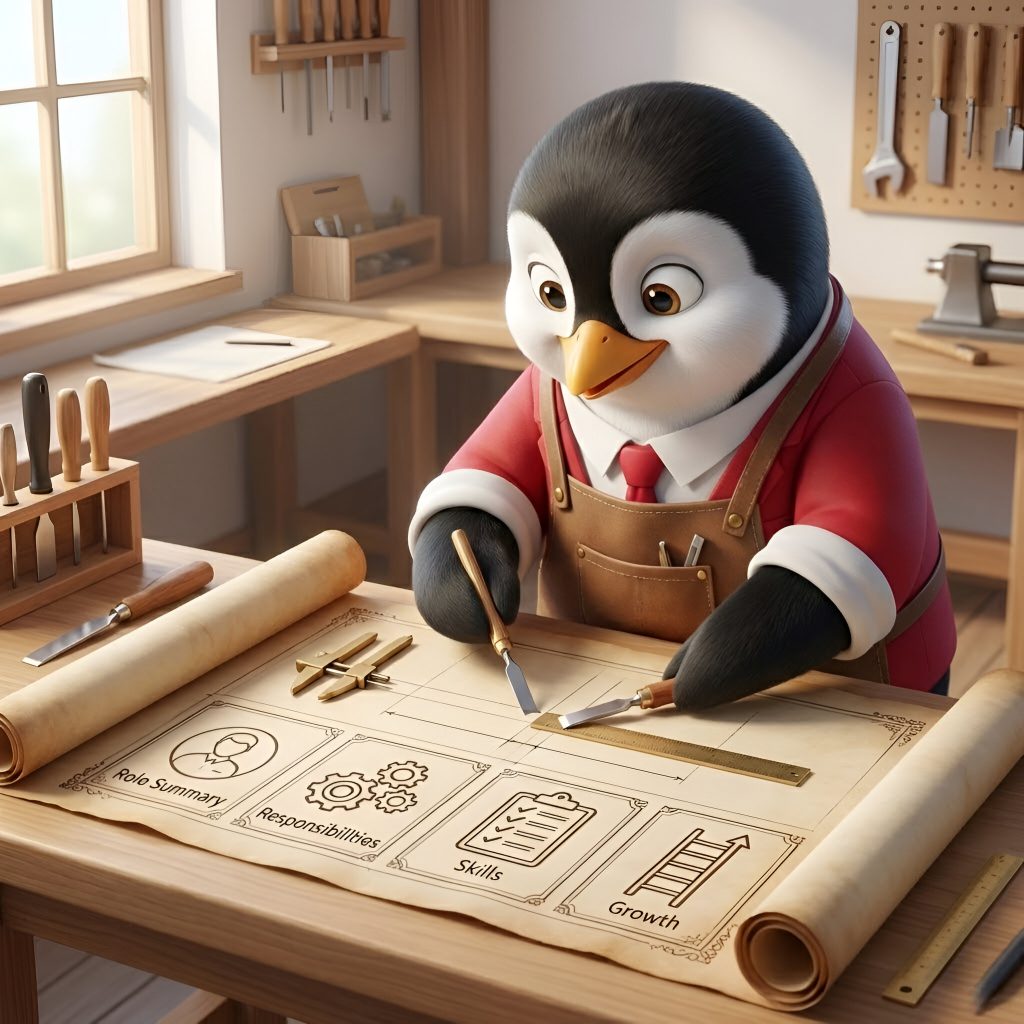
1. Start With a Purpose-Driven Role Summary
The opening paragraph should explain why the role exists. Instead of listing tasks immediately, focus on impact.
For example, explain how the role supports the team or business goals. This approach helps candidates see meaning in the position, not just responsibilities.
Short, direct sentences work best here. They improve readability and keep attention strong.
2. Define Responsibilities Clearly
Next, outline what the employee will actually do. Use bullet points to keep information digestible.
Each responsibility should be specific. Avoid vague phrases like “handle tasks” or “support operations.” Instead, describe actions and outcomes.
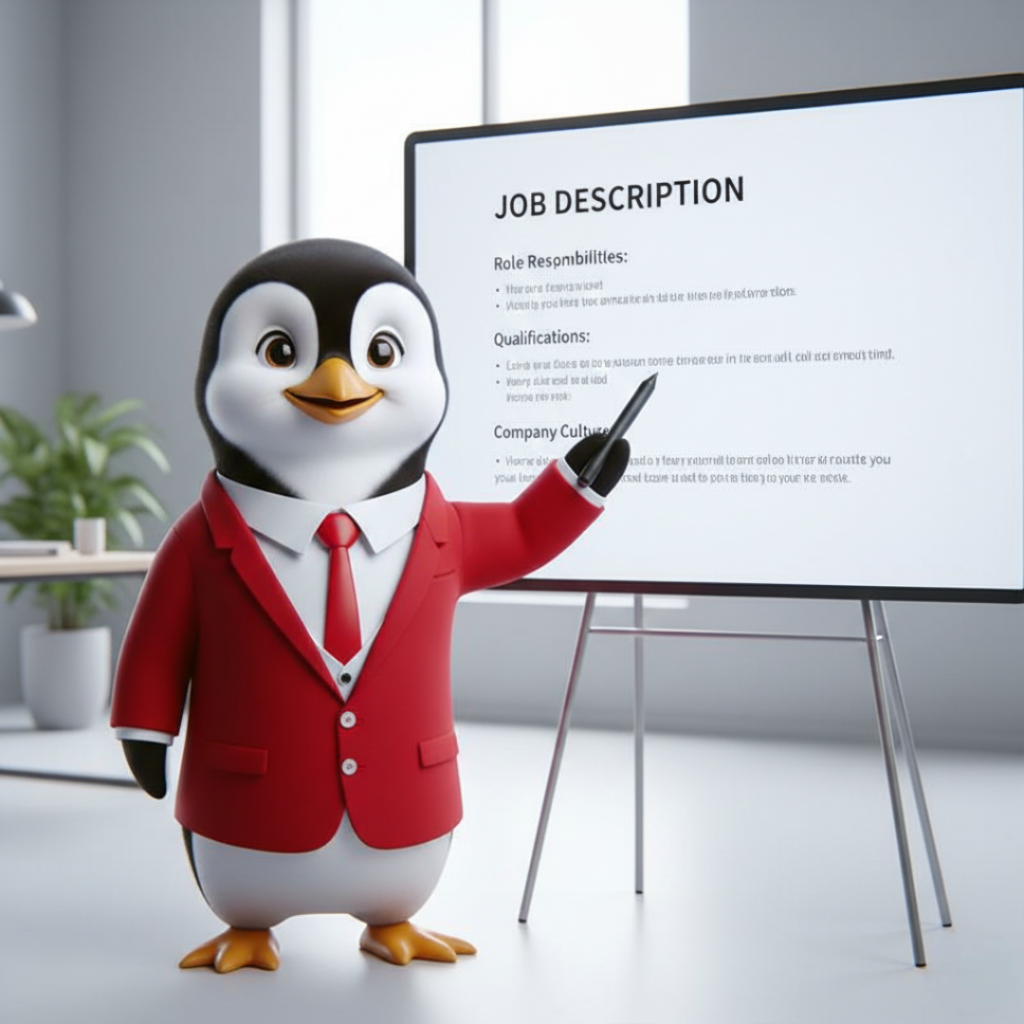
Clear responsibility sections often become the backbone of a strong Job Description Example, especially when candidates are comparing multiple roles.
3. Separate Must-Have and Nice-to-Have Requirements
Many job descriptions fail because they mix essential and optional qualifications. This often discourages capable candidates.
To avoid this, clearly separate required skills from preferred ones. Doing so increases applications from diverse and qualified talent.
Additionally, it signals fairness and transparency, which candidates appreciate.
4. Highlight Work Environment and Expectations
Candidates care deeply about how they will work, not just what they will work on.
Explain whether the role is fast-paced, structured, collaborative, or independent. Mention communication styles, autonomy levels, and team dynamics.
This section helps applicants self-assess fit early. As a result, mismatches decrease significantly.
5. Include Growth and Learning Opportunities
Modern professionals value development. Therefore, job descriptions should reflect learning opportunities whenever possible.
Mention training, mentorship, career progression, or exposure to new projects. Even small growth signals can make a role more attractive.
This detail often transforms an average listing into a compelling Job Description Example that resonates with long-term thinkers.
Common Mistakes to Avoid
Even experienced teams make avoidable errors. Knowing them helps you write better descriptions faster.
-
Overloading the role with unrealistic expectations
-
Using internal jargon unfamiliar to candidates
-
Writing long, dense paragraphs
-
Focusing only on company needs, not candidate value
Each of these issues reduces readability and engagement. Fortunately, they are easy to fix with the right structure and tools.
How Structure Improves Readability and SEO
Search engines and readers both prefer organized content. Clear headings, short paragraphs, and logical flow improve performance across the board.
Transition words such as however, therefore, for example, and as a result help guide readers smoothly. They also increase comprehension and engagement.
A structured approach ensures your Job Description Example is not only readable but also searchable.
Using Technology to Write Better Job Descriptions
Writing consistently high-quality job descriptions can be time-consuming. This is where modern HR tools make a difference.
AI-powered job description tools help standardize structure, maintain tone, and reduce bias. They also ensure clarity without unnecessary complexity.
Instead of starting from scratch every time, teams can refine proven frameworks and adapt them quickly.
Bringing It All Together
A job description is more than a hiring document. It is a communication tool, a brand signal, and a filter for the right talent.
When written well, it attracts aligned candidates and sets expectations early. When written poorly, it creates confusion and delays.
By focusing on clarity, structure, and relevance, you can create a Job Description Example that truly works—for both candidates and hiring teams.
Conclusion :
Clear job descriptions lead to better hires. They save time, reduce mismatches, and strengthen employer credibility.
With the HRTailor.AI Job Description Maker, you can create clear, professional, and future-ready job descriptions in minutes—without compromising quality or readability.
Start writing smarter job descriptions today and let clarity do the hiring work for you.