What Minimum Wage Changes Mean for HR Planning and Payroll
Introduction
Minimum wage updates often arrive under a simple headline: “Rates have changed.” Inside an HR team, that headline turns into a long list of practical decisions. Payroll must stay accurate, budgets should remain realistic, managers need clear alignment, and employees should understand what is happening without feeling confused or undervalued.
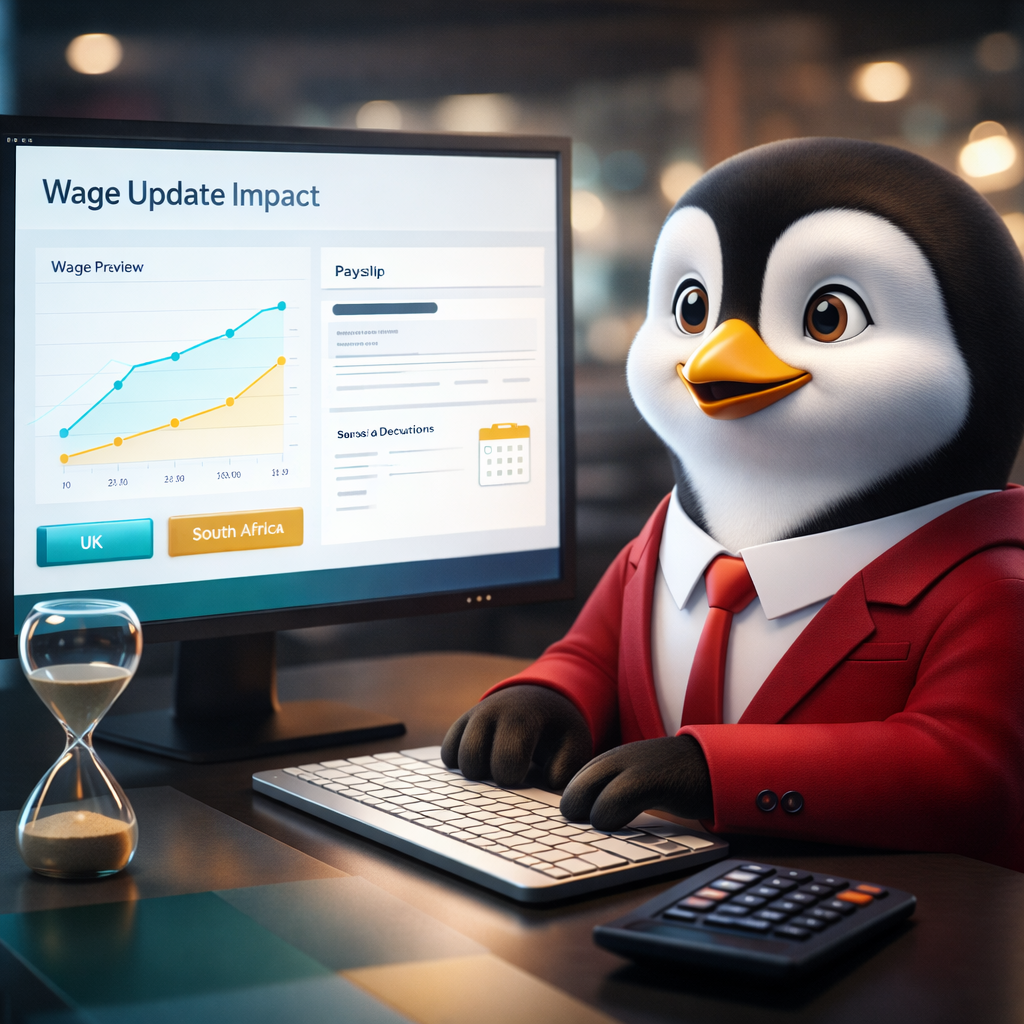
What makes this tricky is that a change to the minimum wage rarely affects only one figure. The update can alter pay structures, overtime calculations, hiring costs, and internal fairness. Whether you are tracking the UK minimum wage or supporting teams affected by the South African minimum wage, treat wage changes as a planning cycle — not a last-minute payroll patch.
This post explains how wage updates ripple through HR planning and payroll, what problems appear most often, and how HR can manage the change in a calm, organized way.
Why minimum wage changes feel bigger than they look
A minimum wage increase may look small on paper, but it usually touches several parts of a company at once. Wages link to policies, payroll systems, shift patterns, and employee expectations.
For HR, the first pressure point is compliance. If pay does not meet the legal threshold by the effective date, the company takes on regulatory risk. The second pressure point is perception: employees notice changes and compare. Even if only some roles are directly impacted, others may feel the difference through pay comparisons or workload shifts.
Because of these factors, minimum wage updates become both a legal requirement and a test of trust.
What actually changes inside payroll when rates change
Payroll includes more than a base salary line — it contains formulas, categories, and exceptions. When wages rise, HR and payroll must review how the change affects pay components tied to the base rate.
For example, updates to hourly pay can cascade into overtime calculations. Shift allowances that use a percentage of wages may require recalculation. Pro-rated salaries for part-time staff often need adjustment. In some setups, holiday pay or leave pay calculations also change.
Handle these updates through a controlled process. Quick manual edits create downstream errors that appear only after payslips go out, which damages trust and multiplies correction work.
Compliance is not just “pay more” — it’s “pay correctly”
Start by confirming which rules apply and to whom. Minimum wage systems rarely use a single flat rate: they can vary by age, worker category, or employment type, and effective dates may differ across jurisdictions.
In the UK, the minimum wage framework includes different rates for age bands and worker categories, so HR teams usually verify eligibility before changing pay. Other markets may use simpler structures but enforce them strictly.
A common HR error is assuming, “Everyone below X must be moved to X.” Instead, confirm how wages are measured, what counts as working time, and how allowances are treated under local law. Even straightforward changes require attention to these details.
The budget ripple: why HR planning starts early
After compliance, the next step is cost assessment. Minimum wage increases can shift labour costs in ways that are not obvious upfront.
Direct payroll increases represent the first layer. But a higher base rate can also raise overtime expenses if overtime uses the new base. Employer contributions, payroll taxes, and fees tied to staffing rates can also change. Vendor contracts that link fees to minimum wage may rise as well.
For these reasons, HR should work with finance to forecast costs and adjust hiring or overtime strategies early. When teams plan ahead, hiring stays steady. When planning is late, companies sometimes pause hiring or cut hours abruptly — and that creates frustration.
Salary compression: the human reaction that shows up fast
One sensitive outcome of a minimum wage rise is salary compression: experienced employees start earning amounts close to those at the minimum rate.
Even if you stay legally compliant, staff may feel the link between effort and reward has weakened. If that perception spreads, retention and performance can suffer.
HR can’t always raise every salary immediately, but a structured review helps. Identify the most affected roles, prioritize fixes, and communicate that you are monitoring pay fairness. Employees value visibility; silence usually fuels dissatisfaction more than the numbers do.
Hiring and scheduling decisions shift after wage increases
When labour costs rise, companies often change how work gets planned. They might reduce overtime, redesign roles to increase efficiency, adjust staffing models, or recalibrate hiring budgets and salary offers.
If you operate across markets — for example, teams affected by the South African minimum wage alongside UK payroll — use a single internal workflow and apply local rules within it. That keeps the process consistent while letting legal details vary by country, which reduces confusion and speeds decisions.
Communication: make the change easy to understand
Wage updates create anxiety when employees do not know what the change means for them. So keep HR communication simple, predictable, and focused on what employees care about: what changes, when it takes effect, and how it will appear on their payslip.
If only some people are affected, say so clearly. If you plan a wider pay review to address compression, explain the approach rather than staying silent. Calm and direct messages reduce questions and help managers answer confidently.
What “good HR handling” looks like in real life
When HR manages a minimum wage change well, the organisation stays steady. Payroll runs accurately, employees avoid surprises, and managers can respond to questions.
That outcome usually stems from a repeatable cycle: track the update early, validate who it affects, test payroll calculations, confirm budget impact, then communicate clearly. This approach builds trust and cuts down on rushed corrections, which cause the majority of payroll mistakes.
Conclusion — wage changes are compliance, but also a culture signal
Minimum wage updates will keep happening, but they don’t have to disrupt operations. When HR treats these updates as both compliance work and a fairness moment, the organisation remains aligned.
Focus on accuracy, planning, and clarity: update payroll correctly, forecast budgets early, monitor salary compression, and keep employees informed in plain language. If your team wants help drafting communications, checking payroll steps, or understanding location-specific impacts, tools such as AskHRTailor.AI inside HRTailor.AI can give structured, country-specific guidance quickly.


Frequently Asked Questions
HR should confirm the effective date, who is covered by the new rate, and how pay is calculated under the rule. After that, payroll changes should be tested before going live.
It can. Even if pay remains above the minimum, salary compression may occur, and fairness concerns can rise. That is why HR often reviews pay bands after wage updates.
Because wage changes can affect overtime, allowances, pro-rated pay, and payroll formulas. If changes are made too quickly, mistakes can slip into payslips.
Keep it simple: what is changing, when it starts, and how it will show on payslips. If reviews are planned for pay fairness, mention the timeline or process.
Use one repeatable workflow for tracking and payroll validation, but apply local legal rules per country. Clear documentation and consistent communication templates also help.

What a Complete Employee Onboarding Checklist Actually Covers.
What a Complete Employee Onboarding Checklist Actually Covers. Introduction A...
Read More
How to Run an HR Audit That Finds Risk Before It Costs You.
How to Run an HR Audit That Finds Risk Before...
Read More
Why HR Teams Swap Spreadsheets for a Payslip Generator.
Why HR Teams Swap Spreadsheets for a Payslip Generator. Introduction...
Read More
Build a Job Ready Resume in Minutes With an AI Resume Builder.
Build a Job Ready Resume in Minutes With an AI...
Read More