Introduction
Issuing HR letters one by one is one of the biggest time drains for any HR team. Whether it is appointment letters for a new batch of joiners, appraisal letters at cycle end, or bonus letters before a festival, the manual copy, paste, download, sign routine slows everything down and invites errors.
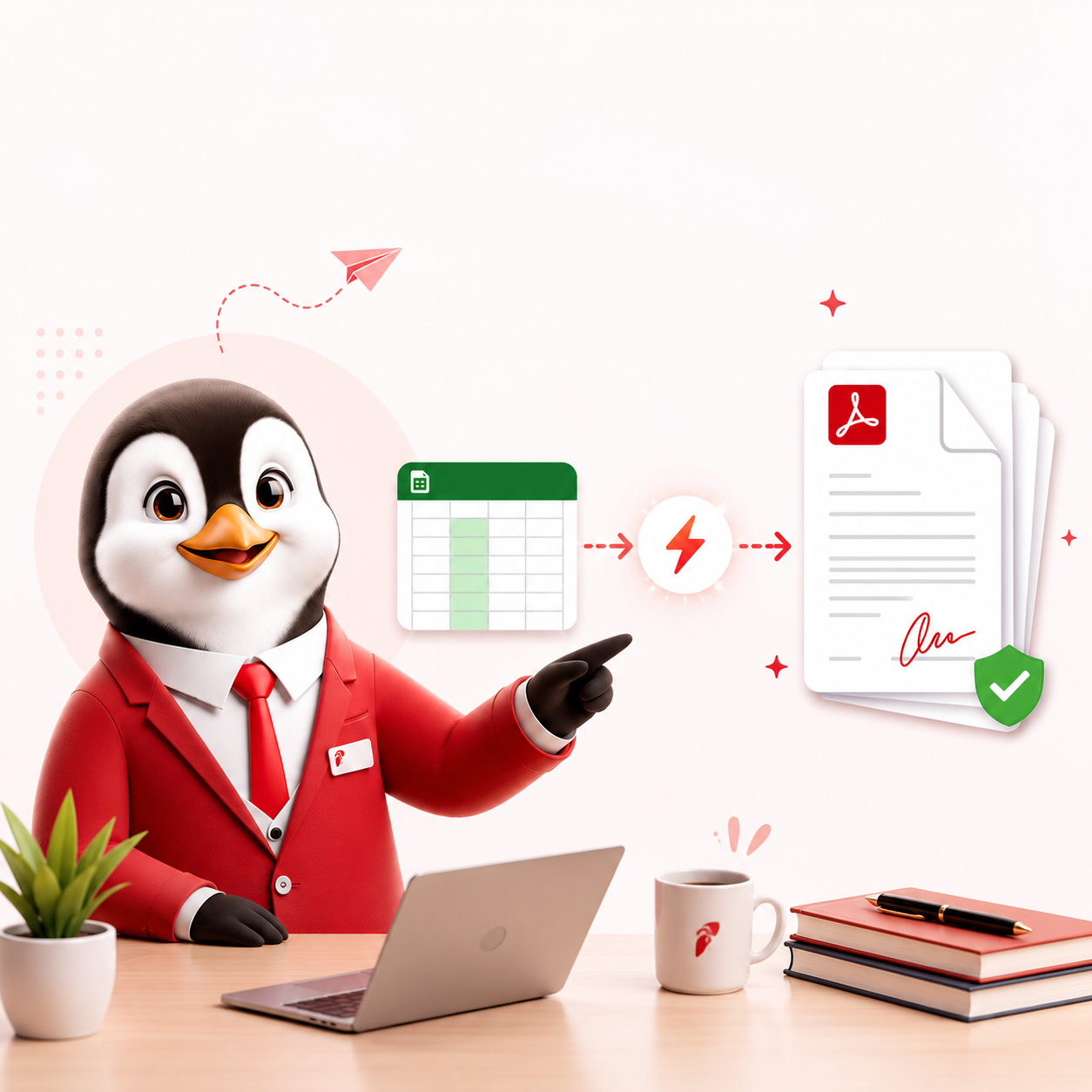
This blog walks through the fastest way to move from a simple spreadsheet to a stack of signed, ready to share PDFs, without touching each letter individually.
Why bulk HR letter generation matters in 2026
HR teams are being asked to do more with the same headcount. Hiring cycles are shorter, appraisals happen more frequently, and employees expect their letters within hours, not weeks. At the same time, every letter still needs the right template, the correct salary breakup, an authorised signature, and a clean PDF for the personnel file.
Doing this manually for 50, 500, or 5,000 employees is not just slow, it is where compliance mistakes happen. A wrong CTC figure, an outdated clause, or a missing signature on even one letter can trigger a dispute. Bulk generation solves both problems at once: speed and consistency.
The step by step workflow to issue bulk HR letters
1. Prepare your employee data in a spreadsheet
- Create a single Excel or CSV file with one row per employee
- Include every field the letter needs, such as name, employee ID, designation, department, date of joining, CTC, location, and reporting manager
- Use clean column headers that match the template placeholders exactly
- Remove blank rows, duplicate entries, and stray formatting
- Validate salary figures, dates, and email IDs before upload
2. Choose the right letter template
- Pick a template that matches the letter type, whether offer, appointment, appraisal, promotion, bonus, transfer, experience, or relieving
- Confirm the template reflects your current company policy and legal clauses
- Check that placeholder tags (like {{employee_name}} or {{ctc}}) match your spreadsheet columns
- Keep a separate template for each letter type instead of forcing one template to do everything
3. Map spreadsheet columns to template fields
- Link each column in your sheet to the correct placeholder in the template
- Preview one or two letters before running the full batch
- Fix any formatting issues such as currency symbols, date formats, and decimal places
- Save the mapping so the same template can be reused next cycle
4. Generate the letters in bulk
- Run the batch to produce one PDF per employee
- Confirm the output folder contains the exact number of letters as spreadsheet rows
- Spot check a random sample for accuracy before proceeding
- Regenerate only the letters that need corrections, not the entire batch
5. Add authorised signatures
- Apply the signatory’s digital signature to every letter in the batch
- Use a valid digital signature certificate (DSC) or e sign option that holds up under the IT Act
- Add company seal or logo where required
- Keep an audit trail of who signed, when, and from which device
6. Distribute and archive
- Share letters with employees via email, employee portal, or download link
- Store a signed copy in each employee’s personnel file
- Keep a master folder of the batch with the source spreadsheet for future reference
- Update your HRIS or document management system so records stay in sync
Common mistakes to avoid when generating letters in bulk
- Using an outdated template with clauses that no longer match current labour law
- Forgetting to lock the spreadsheet after generation, leading to version confusion
- Sending letters without a final review of a sample batch
- Missing the digital signature step and issuing unsigned PDFs
- Not archiving the signed copies, which creates audit gaps later
How often should HR teams run bulk letter cycles?
Most companies run bulk generation at predictable intervals, monthly for new joiners, quarterly for confirmations, and annually for appraisals and bonus letters. The right cadence depends on your hiring volume and appraisal calendar, but the workflow stays the same. Once the template and mapping are set up correctly, each cycle takes minutes instead of days.
Conclusion
Issuing HR letters should not be the bottleneck that holds up onboarding, appraisals, or exits. A structured bulk workflow, built on a clean spreadsheet, the correct template, mapped fields, signed PDFs, and archived records, turns a week of manual work into a task you can finish before lunch.
If your team is still creating letters one by one, the HRTailor.AI Bulk Letter Generator lets you upload a spreadsheet, pick a template, and download signed PDFs in a single flow, built for HR teams that need to move fast without losing accuracy.