Employee Confirmation Letter: Purpose and HR Best Practices

Employee Confirmation Letter: Purpose and HR Best Practices Introduction Probation periods are designed to help both the employee and employer assess fit. However, many organisations struggle with what happens next: confirmation communication. Some teams confirm verbally, others delay the letter, and a few don’t issue anything at all. Over time, that inconsistency can affect trust, […]
Social Media Guidelines Companies Should Clearly Document

Social Media Guidelines Companies Should Clearly Document When one post becomes a company problem It usually starts small. A quick post during lunch. A frustrated tweet after a long meeting. Or a casual photo shared without thinking twice. In that moment, the employee feels personal. However, the internet sees something else. It sees a brand, […]
Why Companies Need Clear Rules on Workplace Substance Use

Why Companies Need Clear Rules on Workplace Substance Use Introduction: In today’s fast-paced and dynamic work environment, companies face risks that go beyond equipment failures or missed deadlines. One of the most subtle yet high-impact risks is substance use at work. Even minor lapses in judgment can ripple across teams, disrupt workflows, affect client relationships, […]
Employee Social Media Policy: Protecting Brand Reputation

Employee Social Media Policy: Protecting Brand Reputation When One Post Can Speak for the Whole Company Social media feels personal. A photo, a comment, or a quick reaction often comes from emotion, not planning. Yet, when employees post online, their words can travel far beyond their intention. Sometimes, those words quietly shape how people see […]
Appointment Letters for Different Employment Types Explained

Appointment Letters for Different Employment Types Explained Introduction Hiring today is rarely “one type fits all.” Many organisations now work with a mix of full-time employees, fixed-term hires, interns, consultants, gig workers, and remote team members. Because of that, appointment letters must evolve too. A letter designed for a permanent employee can create confusion if […]
How Dress Code Rules Differ by Industry and Work Culture

How Dress Code Rules Differ by Industry & Work Culture Introduction: Walk into five different workplaces in a single day, and one thing becomes instantly clear—professional appearance does not look the same everywhere. A software startup, a hospital, a factory floor, a law firm, and a creative agency may all value professionalism, yet each defines […]
How to Design a Fair Employee Referral Program

How to Design a Fair Employee Referral Program When Good Intentions Need Clear Direction Most companies trust their people. After all, employees know the culture, the pressure, and the pace better than anyone else. So when they recommend someone, it often comes from genuine belief. However, without clear rules, even the best referral ideas can […]
When Should Companies Issue a Relieving Letter?
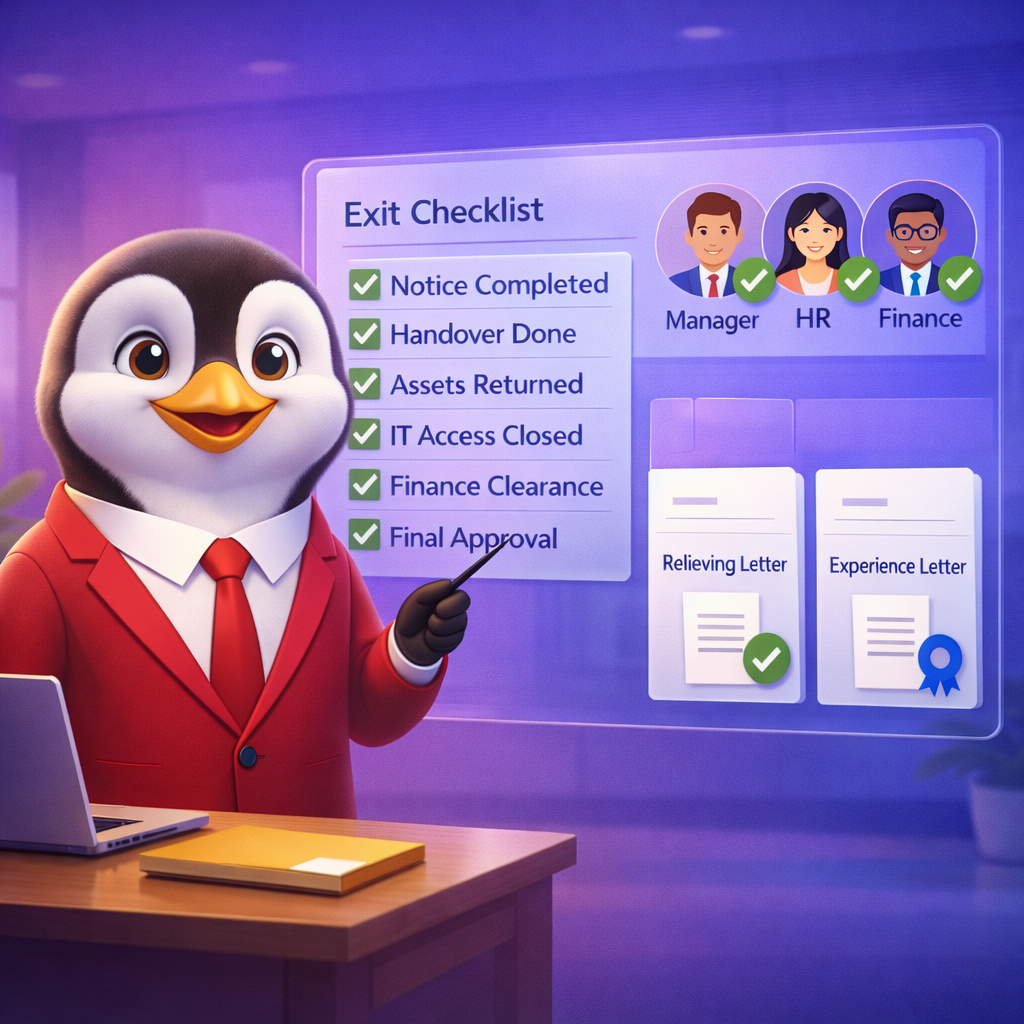
When Should Companies Issue a Relieving Letter? Introduction Employee exits look simple on paper. However, in real operations, they involve handovers, asset returns, access closure, payroll checks, and final approvals. Because multiple teams join the process, timelines often slip. As a result, companies face avoidable follow-ups, unhappy ex-employees, and messy records. A clear offboarding workflow […]
Dress Code Policy: Setting Professional Standards at Work

Dress Code Policy: Setting Professional Standards at Work Introduction: Professional standards are often communicated before a single word is spoken. In the workplace, appearance quietly reflects values, discipline, and brand identity. That is why defining expectations around attire is not a formality—it is a strategic decision. For employers and HR leaders, a dress code policy […]
Appointment Letter: Meaning, Importance, and When to Issue It

Appointment Letter: Meaning, Importance, and When to Issue It Introduction Hiring doesn’t end when a candidate says “yes.” In fact, many misunderstandings start after acceptance—when details are still scattered across emails, chats, and verbal discussions. That’s where an appointment letter becomes essential. It gives both sides a clear, written record of employment terms and expectations. […]