
How HR Can Issue Recommendation Letters Fairly
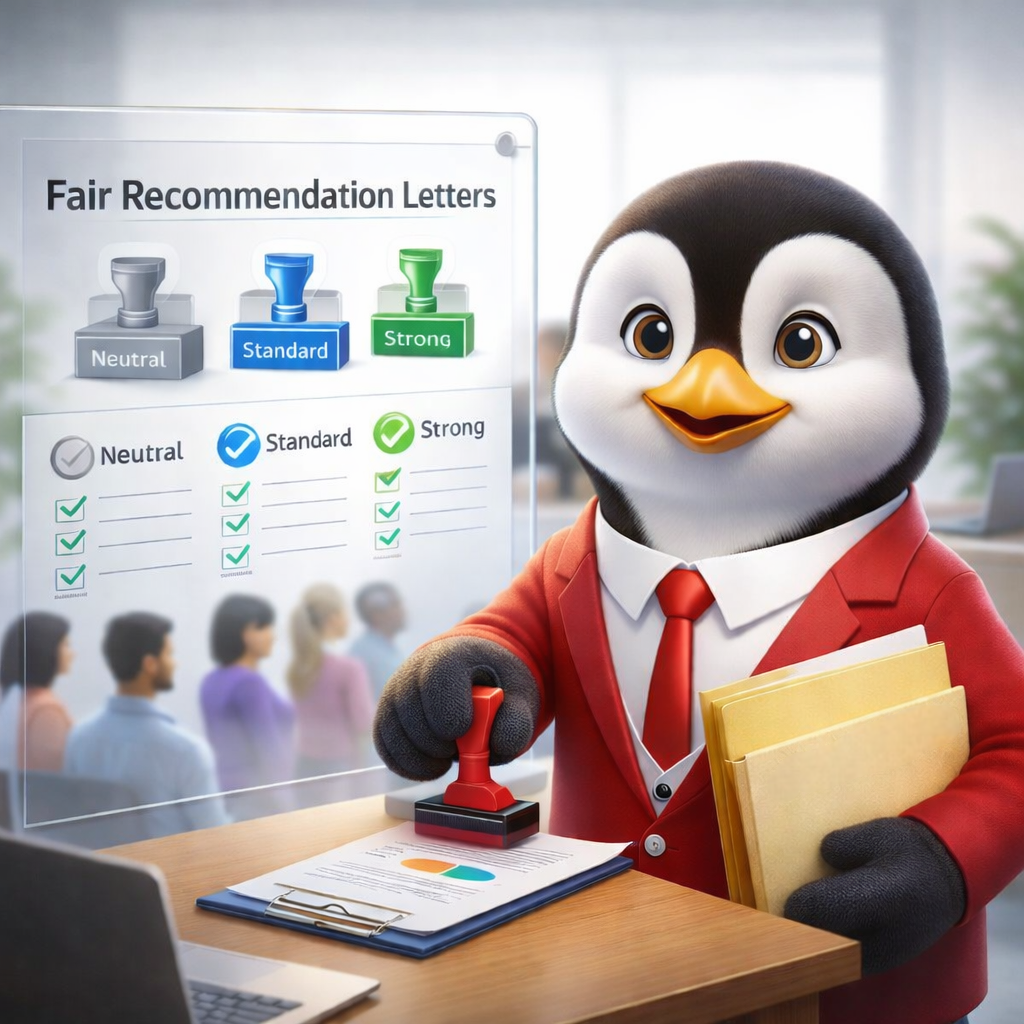
How HR Can Issue Recommendation Letters Fairly Introduction Recommendation letters look simple, but they can become sensitive fast. One employee may ask for a strong reference, while another gets a short and neutral note. If the process feels inconsistent, trust drops quickly. This challenge is common in startups and SMEs. Leaders are busy, managers change […]
Recommendation Letter: Writing Professional Employee References
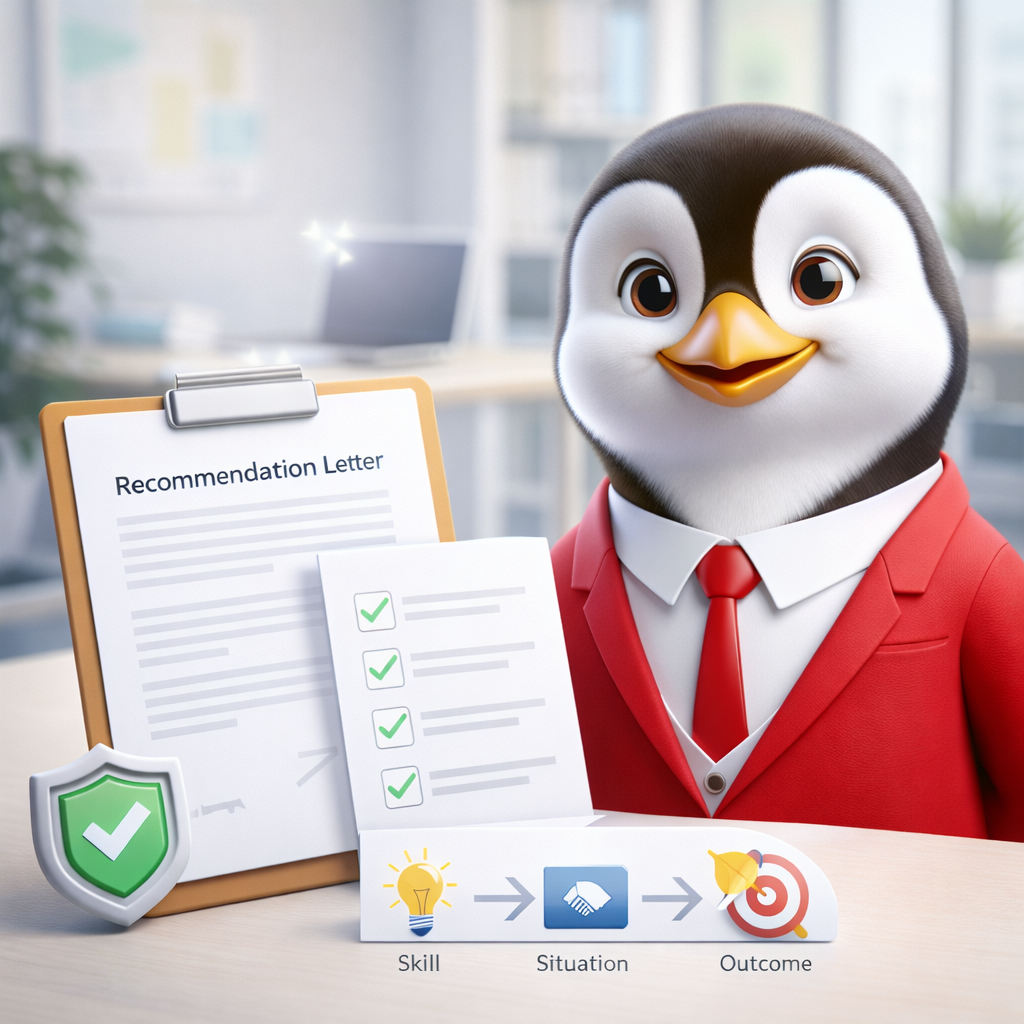
Recommendation Letter: Writing Professional Employee References Introduction Recommendation requests often come at inconvenient times. A senior employee may resign, a former team member may apply for higher studies, or a manager may need to respond to a reference check quickly. However, when there is no standard approach, leaders either delay the letter or write something […]
How to Communicate Probation Extensions Professionally

How to Communicate Probation Extensions Professionally Introduction How do you tell an employee they need more time without damaging trust or morale? This is one of the most delicate conversations HR professionals face. A probation extension is not about failure. However, if communicated poorly, it can feel personal, unclear, or even unfair. Therefore, the way […]
Probation Extension Letter: When Performance Needs More Time

Probation Extension Letter: When Performance Needs More Time Introduction What do you do when an employee shows potential but isn’t fully ready at the end of probation? This is a situation HR teams face more often than they admit. Sometimes, the answer isn’t confirmation or exit. Instead, it’s giving performance the time it genuinely needs […]
Steps to Handle Absconding Employees Through Proper Documentation

Steps to Handle Absconding Employees Through Proper Documentation Introduction Unexplained employee absence can create immediate operational stress. However, the bigger risk often comes later, when there is no clear record of what happened and what the company did in response. In startups and SMEs, managers may first treat absence as a “missed update.” Meanwhile, HR […]
Designing Work from Home Rules for Hybrid Teams
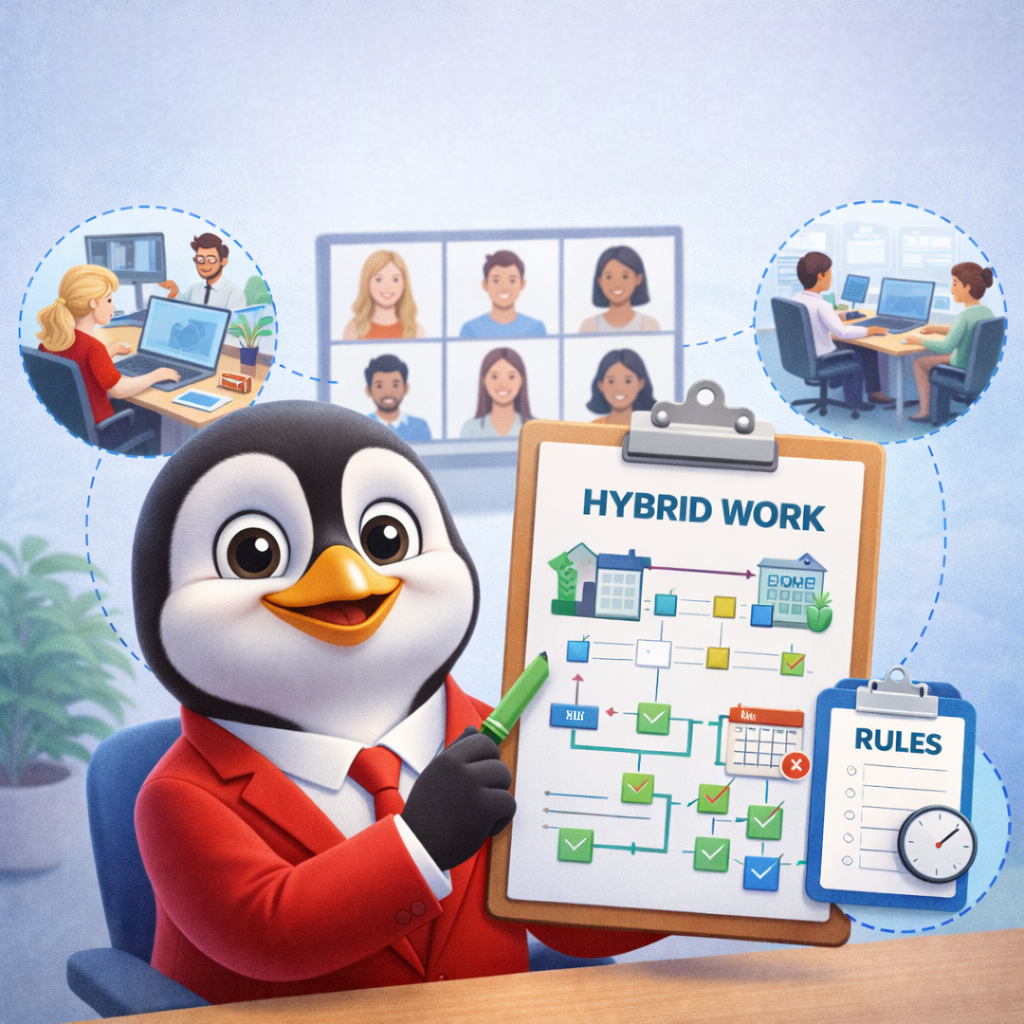
Designing Work from Home Rules for Hybrid Teams Introduction Understanding remote work policy guidelines is essential for modern organizations. Hybrid work has changed how organisations operate, collaborate, and measure productivity. Employees now move between office and remote setups, often within the same week. While this flexibility offers clear benefits, it also introduces new challenges for […]
How Whistle-blower Policies Protect Employees

Introduction Most employees don’t wake up wanting to report someone. Instead, they wake up wanting to do their job, feel safe, and go home without carrying stress all day. Yet, employees sometimes notice things that don’t feel right—financial shortcuts, unsafe practices, harassment, or data misuse. So, the real question is not whether wrongdoing exists, but […]
Work From Home Policy: Rules and Expectations

Introduction Remote work has shifted from being a temporary arrangement to a long-term working model for many organisations. While flexibility has increased, so have questions around accountability, availability, and performance. This is where a clearly defined work from home policy becomes essential for employers and HR teams. Without written expectations, remote work can slowly blur […]
Whistle-blower Policy: Encouraging Ethical Reporting

Introduction Most workplace problems do not explode overnight. Instead, they grow quietly. A small violation gets ignored. An uncomfortable comment gets brushed aside. A practice feels wrong, yet nobody speaks up because the risk feels heavier than the truth. This silence is exactly what a whistle blower policy aims to break. At its core, this […]
Employee Travel Policy: Guidelines for Work-Related Travel and Expenses

Introduction Work-related travel often sits at the intersection of trust, responsibility, and cost control. Employees travel to represent the organisation, close deals, attend meetings, or manage operations—but without clear guidelines, even necessary travel can raise questions. A well-defined business travel policy helps organisations draw clear boundaries while still supporting employees on the move. For HR […]