How to Draft Termination Letters Based on Reason and Role
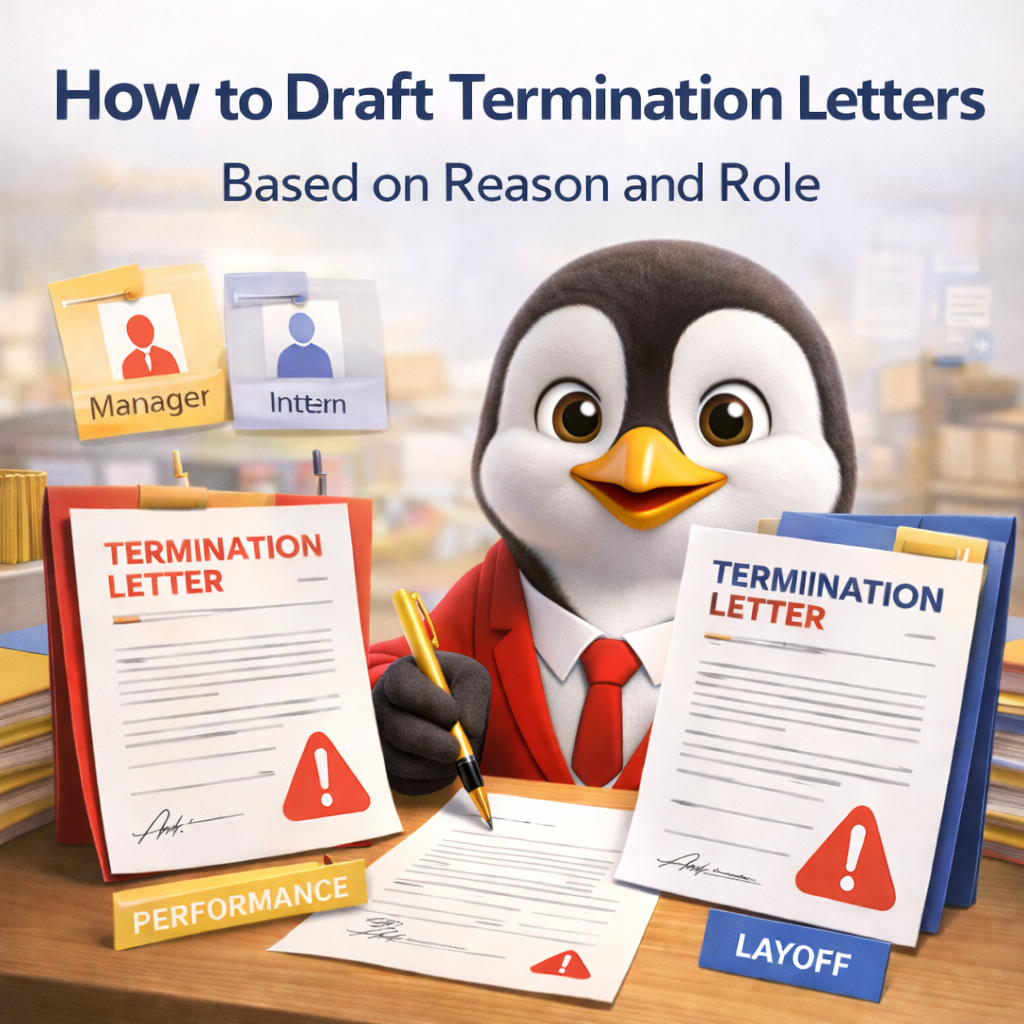
Introduction No two employee exits are ever the same. A termination driven by performance concerns looks very different from one caused by misconduct, redundancy, or role closure. Yet many organisations still rely on generic templates that fail to reflect these differences. For employers and HR teams, this is where drafting precision matters. The employee termination […]
Managing Personal Calls and Messages at Work

Introduction Walk into any office today and you’ll notice something instantly. Phones are everywhere. Screens light up mid-conversation. Messages arrive while meetings are still going on. No one plans for it, yet it keeps happening. And honestly, it’s not because employees don’t care. It’s because work and personal life no longer live in separate boxes. […]
Termination Letter: Employer Responsibilities and Legal Care
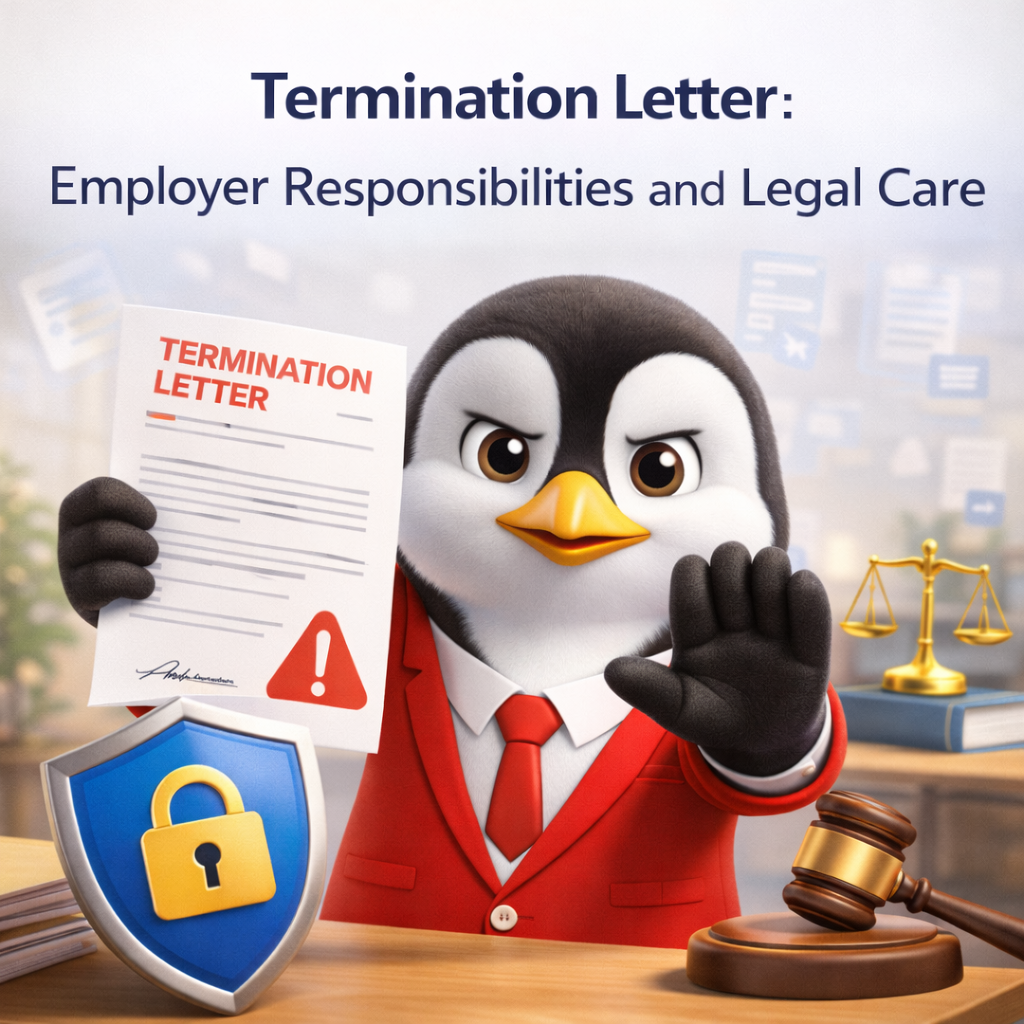
Introduction Ending an employment relationship is one of the most sensitive actions an organisation can take. Beyond emotions and difficult conversations, there is a formal responsibility that employers cannot afford to overlook. A termination letter to employee is not just a document—it is a legal record, a communication tool, and a reflection of the company’s […]
When and How HR Should Issue Formal Warning Letters
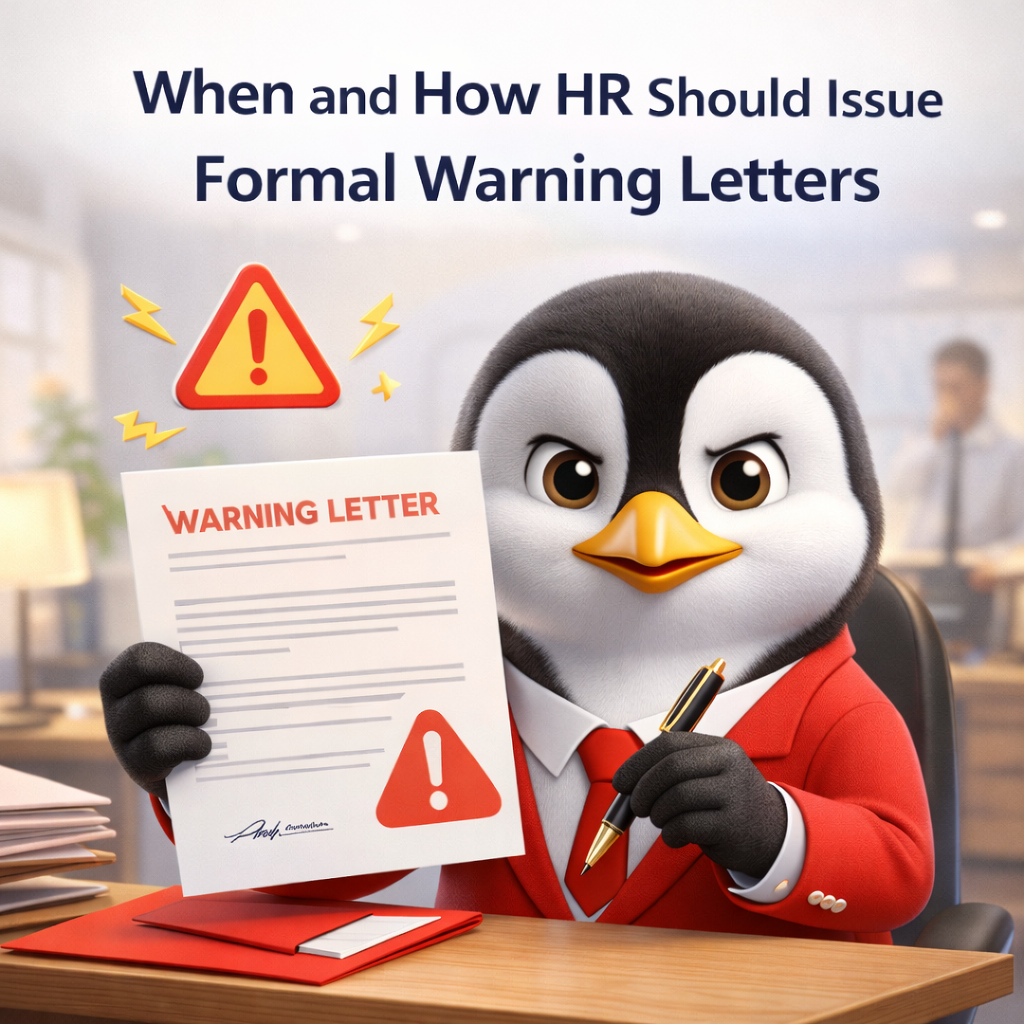
Introduction Every organisation eventually faces situations where behaviour, conduct, or discipline must be addressed formally. While many issues can be resolved through conversations, there are moments when documentation becomes necessary. This is where a warning letter to employee for misconduct plays a critical role—not as a threat, but as a structured HR intervention. For employers […]
Personal Communication Policy: Workplace Messaging Guidelines
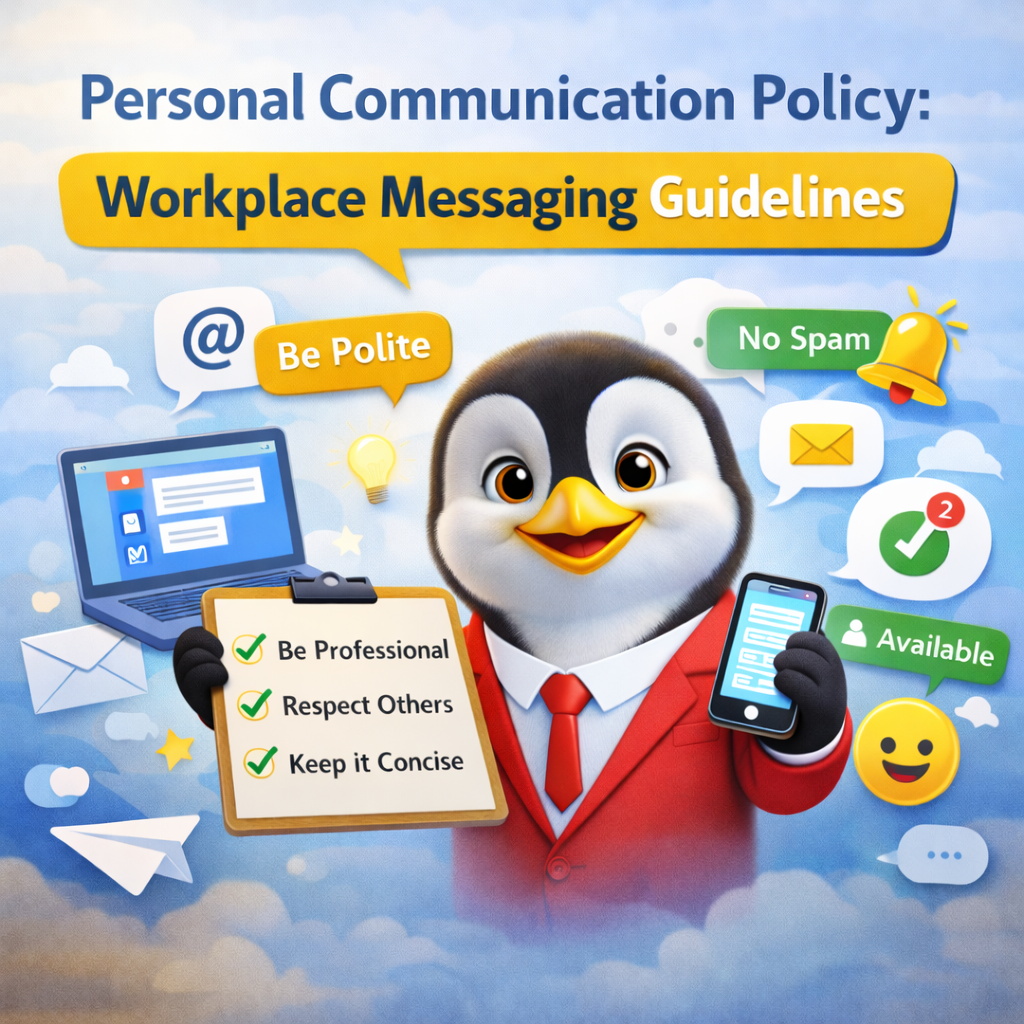
Understanding Why Workplace Messages Need Rules Every organisation runs on communication. Messages fly across emails, chat apps, calls, and internal tools every minute. Most of the time, this works smoothly. However, problems often start quietly. A casual message sent late at night. A joke taken the wrong way. A sensitive client detail forwarded on a […]
Confirmation of Full and Final Settlement: What HR Should Document
Confirmation of Full and Final Settlement: What HR Should Document Understanding What “Confirmation” Really Means When an employee exits, the job is not truly over until the paperwork is. Many organisations treat settlement as a payment task. In reality, it is a documentation task with legal weight. Confirmation is not about sending money alone. It […]
Controlled Substances Policy: Maintaining a Safe and Professional Workplace

Controlled Substances Policy: Maintaining a Safe and Professional Workplace Introduction Workplace safety is often discussed in terms of equipment, systems, or compliance checklists. Yet one of the most sensitive and high-impact risks organisations face is far less visible—substance misuse at work. When expectations are unclear, even a single incident can disrupt operations, compromise safety, and […]
Full and Final Settlement Letter: Closing Employment Correctly

Full and Final Settlement Letter: Closing Employment Correctly Introduction Every job has a beginning. Every job also has an ending. What most people remember, however, is not how employment started—but how it ended. When an employee leaves an organisation, the last impression is shaped by one critical step: settlement of dues. This is where many […]
Confidentiality Rules for Employees Handling Company Data
Introduction Every organisation today runs on data. From client records and financial reports to internal strategies and employee information, data flows through multiple hands every day. The real question is not whether employees will access sensitive information—but whether they clearly understand how that information must be handled. This is where confidentiality rules for employees become […]
Employee Confidentiality Policy: Protecting Sensitive Information
Introduction In every organisation, information is power. Employee records, client details, financial data, internal strategies—these are not just documents stored in folders or systems. They are assets that directly affect trust, compliance, and business continuity. For employers and HR teams, protecting this information is not optional; it is a responsibility. This is where a well-defined […]