
Probation Extension Letter: When Performance Needs More Time
Probation Extension Letter: When Performance Needs More Time Introduction What do you do when an employee shows potential but isn’t fully ready at the end of probation? This is a situation HR teams face more often than they admit. Sometimes, the answer isn’t confirmation or exit. Instead, it’s giving performance the time it genuinely needs […]
Steps to Handle Absconding Employees Through Proper Documentation

Steps to Handle Absconding Employees Through Proper Documentation Introduction Unexplained employee absence can create immediate operational stress. However, the bigger risk often comes later, when there is no clear record of what happened and what the company did in response. In startups and SMEs, managers may first treat absence as a “missed update.” Meanwhile, HR […]
Absconding Letter: How HR Should Respond to Employee Absence

Absconding Letter: How HR Should Respond to Employee Absence Introduction Unplanned employee absence can disrupt work quickly. However, the bigger risk often comes later, when there is no clear record of what happened, what the company tried, and what was communicated. In startups and SMEs, managers may handle absence informally at first. Meanwhile, HR receives […]
Experience Letters for Different Roles and Tenures Explained

Experience Letters for Different Roles and Tenure Explained Introduction An experience letter is more than a formal document—it quietly reflects how organised, fair, and professional an employer truly is. While most companies issue experience letters as part of exit formalities, many overlook an important reality: not every role or tenure should be treated the same […]
How to Draft a Professional NOC for Employees
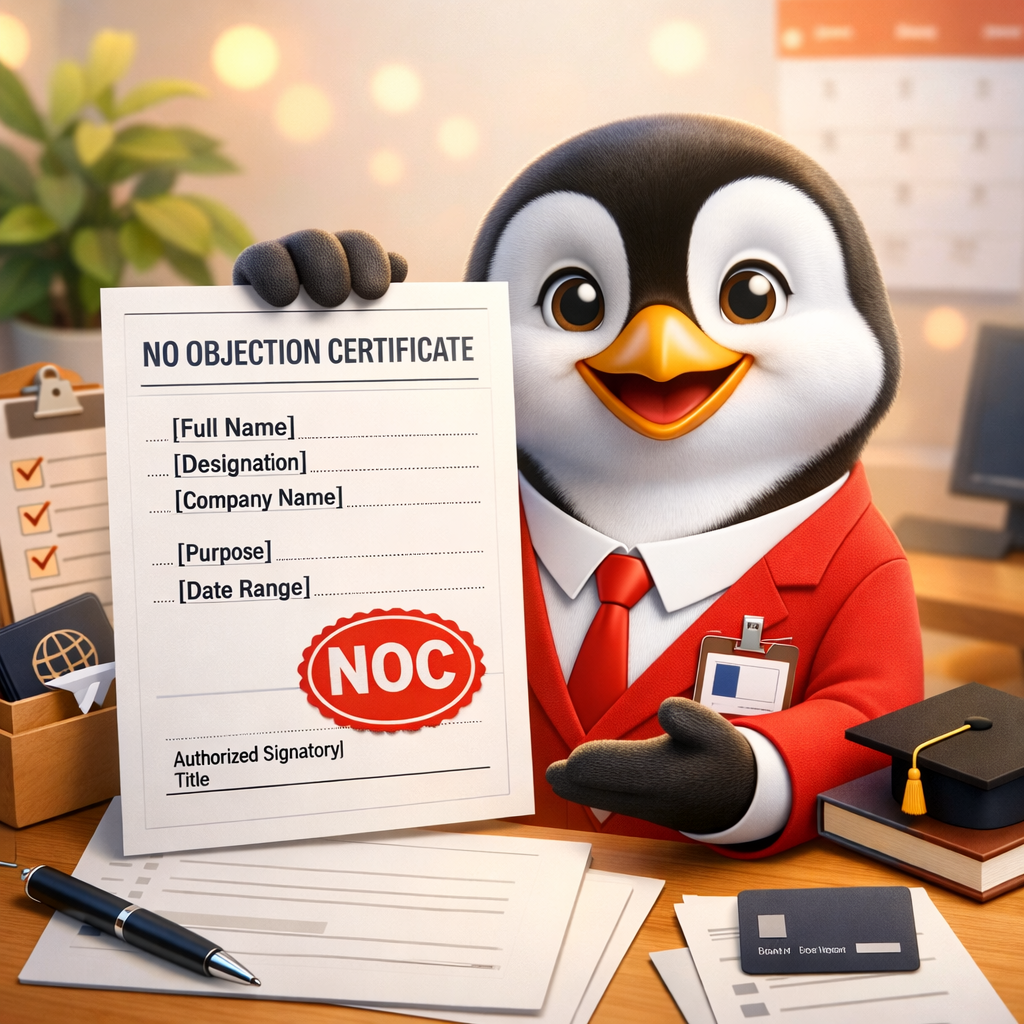
How to Draft a Professional NOC for Employees Introduction Employee document requests often arrive with a deadline. For example, someone may need an NOC for travel, education, a loan, or a background process. However, when the request lands late and the template is unclear, leaders waste time fixing wording and checking details. This is common […]
Experience Letter: What Employers Should Clearly Mention

Experience Letter: What Employers Should Clearly Mention Introduction For many employees, an experience letter becomes one of the most important documents they carry forward in their careers. It influences future hiring decisions, salary discussions, and even background verification outcomes. For employers, however, this letter carries a different weight—it represents accuracy, credibility, and professional responsibility. From […]
No Objection Certificate: When Employers Should Issue One

No Objection Certificate: When Employers Should Issue One Introduction In growing companies, people need official HR letters more often than expected. For example, an employee may request a document for a visa, higher studies, a bank process, or a background check. However, these requests usually come with tight deadlines. At the same time, founders and […]
How to Draft Termination Letters Based on Reason and Role

How to Draft Termination Letters Based on Reason and Role Introduction No two employee exits are ever the same. A termination driven by performance concerns looks very different from one caused by misconduct, redundancy, or role closure. Yet many organisations still rely on generic templates that fail to reflect these differences. For employers and HR […]
Termination Letter: Employer Responsibilities and Legal Care

Termination Letter: Employer Responsibilities and Legal Care Introduction Indeed, ending an employment relationship is one of the most sensitive actions an organisation can take. In fact, beyond emotions and difficult conversations, there is a formal responsibility that employers cannot afford to overlook. Essentially, a termination letter to employee serves not just as a document—it acts […]
When and How HR Should Issue Formal Warning Letters

When and How HR Should Issue Formal Warning Letters Introduction Every organisation eventually faces situations where behaviour, conduct, or discipline must be addressed formally. While many issues can be resolved through conversations, there are moments when documentation becomes necessary. This is where a warning letter to employee for misconduct plays a critical role—not as a […]