Introduction
Starting a business is exciting. You have an idea, a plan, and the energy to make it happen. But there’s one big challenge that can slow you down: compliance. Licenses, registrations, taxes, employment laws, and industry-specific rules all need attention. Missing even one requirement can lead to fines, penalties, or delays. For first-time founders, this can feel overwhelming. Many think they need a lawyer for everything—but hiring legal help is expensive and time-consuming.
The good news? Tracking compliance doesn’t have to be hard. With the right approach, you can manage everything without a lawyer and stay confident about your startup’s legal health.
Why Compliance Is Hard to Track
Compliance is tricky because it’s not just a single task—it’s many, across different areas:
- Multiple jurisdictions: If your startup operates in more than one country, laws differ. Payroll, taxes, and labor rules aren’t the same everywhere.
- Industry rules: A fintech startup has very different obligations than a small e-commerce company.
- Constant changes: Laws evolve regularly. Something that was legal last year may need updating now.
- Limited resources: Most early-stage startups don’t have legal teams, leaving founders to research, organize, and track everything themselves.
Trying to handle all this manually is stressful and can easily lead to mistakes.
Common Pitfalls for DIY Compliance
Many founders attempt to track compliance on their own using spreadsheets, bookmarks, or random Google searches. While this may work in theory, it comes with serious risks:
- Time-consuming: Researching and organizing obligations takes hours every week.
- Easy to miss something: One overlooked form or deadline can create big problems.
- Hard to prioritize: Not all compliance tasks are equally urgent, and guessing can backfire.
- Stressful: Juggling compliance along with product development, fundraising, and team management adds pressure.
Clearly, a smarter solution is needed.
How AI Makes Compliance Simple
AI tools like Compliance Checklist Generator can take the headache out of tracking compliance. Here’s how:
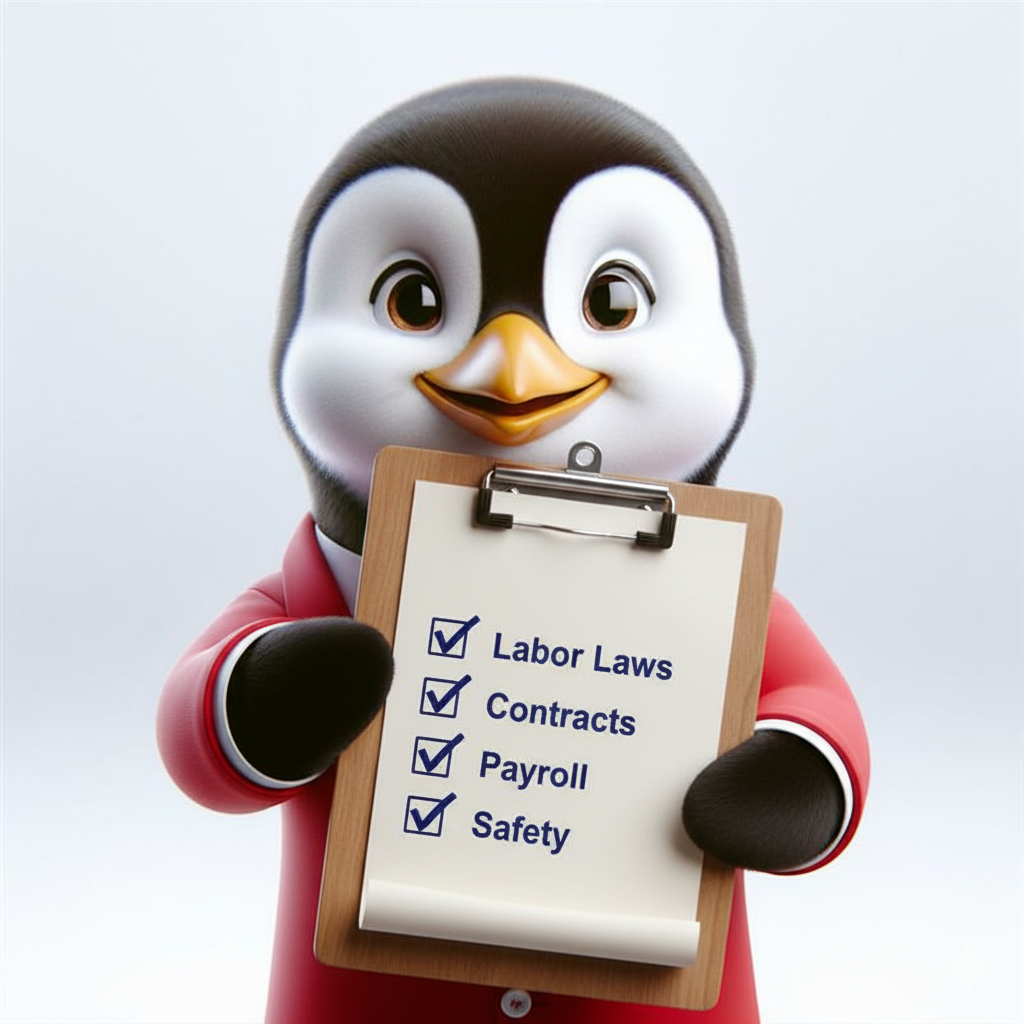
- Tailored checklist: Enter your startup’s industry, location, and team structure, and get a customized roadmap of requirements.
- Prioritized tasks: Focus on what’s urgent first—like registering your business or paying initial taxes.
- Automatic updates: As laws change, the tool updates your checklist, so nothing gets outdated.
- Global awareness: Perfect for startups with team members or operations in multiple countries.
This way, founders can track obligations efficiently, reduce risk, and avoid hiring a lawyer for every small detail.
Practical Tips for Founders
Even with AI, a few habits make compliance easier:
- Keep information updated: Make sure your startup details, team locations, and industry classification are correct.
- Check the checklist regularly: Treat compliance like a living document, not a one-time task.
- Integrate it into workflow: Make it part of weekly or monthly startup reviews.
- Be open to unexpected requirements: AI can flag permits or registrations you might not have known about.
Why This Matters for Your Startup
Imagine this scenario: you’re launching a small tech startup with a remote team in three countries. Manually tracking employment rules, tax registrations, and data protection regulations could take weeks of research.
With an AI-powered compliance checklist:
- You get a personalized roadmap in minutes.
- Priority tasks are highlighted, so you know where to start.
- Updates are automatic, reducing the risk of missing new regulations.
- You save time, reduce stress, and can focus on growth.
This approach simplifies compliance without sacrificing accuracy, making it easier for founders worldwide to launch confidently.
Conclusion: Launch Smarter, Not Harder
Compliance doesn’t have to be complicated or expensive. By using structured tools, founders can track obligations efficiently, stay legally safe, and focus on growing their startup.
For a simple, practical solution, HRTailor.AI’s Compliance Checklist Generator provides a tailored roadmap for all essential compliance requirements, helping startup founders launch with confidence—without a lawyer.