Introduction
Starting a startup is thrilling—ideas, energy, and ambition are all in overdrive. But amid the excitement, one thing often gets overlooked: compliance.
Skipping compliance isn’t just a small oversight. It can lead to costly penalties, operational hurdles, or even shutting down your business before it truly takes off. A compliance checklist gives founders a clear roadmap, helping them launch with confidence.
The Compliance Challenge for Startups
Compliance is overwhelming, especially for early-stage founders:
Different rules across countries: Operating globally? Every country, and sometimes every region, has its own regulations.
Industry-specific regulations: Fintech, healthcare, and edtech startups face unique legal requirements.
Constantly changing laws: Staying current requires constant vigilance.
Limited resources: Early startups rarely have dedicated legal teams, making research time-consuming.
Without a structured approach, even well-intentioned founders can miss critical steps.
Why a Compliance Checklist Matters
A compliance checklist is a simple but powerful tool for startup founders. It helps navigate complex legal and regulatory requirements efficiently, ensuring nothing gets overlooked. Here’s why it matters:
- Clarity: A checklist breaks down all essential compliance steps by category and jurisdiction. Founders can quickly see what licenses, registrations, or legal filings are required, making the process straightforward and manageable.
- Time-Saving: Researching regulations across multiple areas—taxes, employment, data protection, industry permits—can be time-consuming. A checklist consolidates everything in one place, freeing founders to focus on building their product, team, and business strategy.
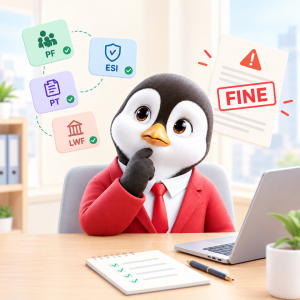
- Risk Reduction: Missing even one requirement can result in fines, legal disputes, or operational delays. A checklist ensures all critical steps are covered, reducing the chance of costly mistakes that could derail your startup.
- Investor Confidence: Having a clear compliance plan shows diligence and professionalism. Investors and partners are more likely to trust a startup that demonstrates organized, proactive compliance, signaling lower risk and better preparedness.
Key Compliance Areas to Cover
Most startups should consider these essentials:
- Business registration and incorporation – ensure your company is legally recognized.
- Taxes – corporate, sales, payroll obligations.
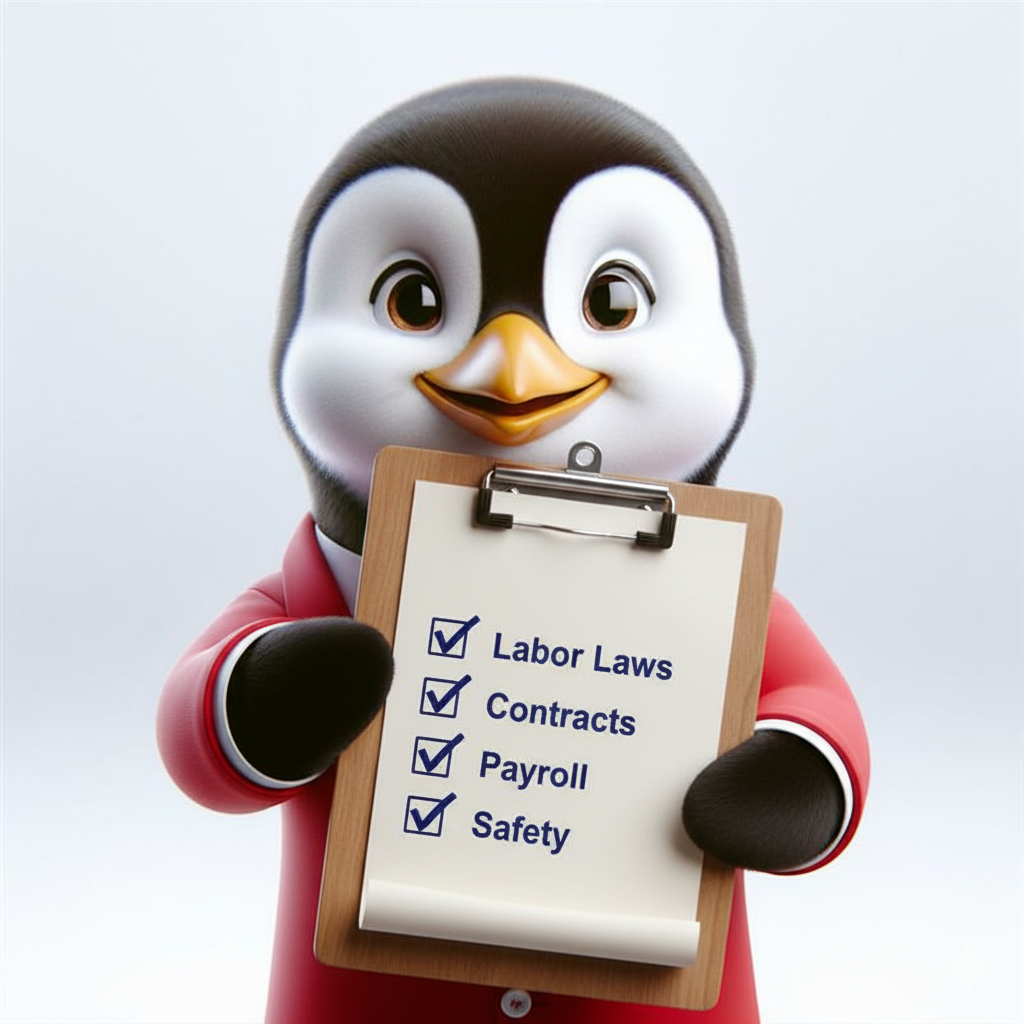
- Employment laws – contracts, benefits, workplace safety.
- Data protection and privacy – especially for tech startups handling user data.
- Industry-specific permits and licenses – depending on sector requirements.
- Intellectual property – protect your ideas, trademarks, and inventions.
- Missing any of these areas can cause delays, fines, or reputational damage.
Making Compliance Easy with AI
Technology now makes compliance much simpler. Tools like Compliance Checklist Generator can:
- Generate a customized checklist based on your company’s details.
- Highlight jurisdiction-specific requirements instantly.
- Keep you updated as regulations change.
Instead of spending hours digging through legal texts, founders get a ready-to-use roadmap—allowing them to focus on product development, fundraising, and growth.
Conclusion
Compliance isn’t bureaucracy—it’s a foundation for long-term success. A single oversight can derail months of work. Startup founders who use a structured compliance checklist start smarter, avoid unnecessary risk, and demonstrate professionalism that investors and partners respect.
For founders ready to simplify compliance and focus on growth, AI-powered tools like Compliance Checklist Generator are a game-changer. For a smart start, HRTailor.AI’s Compliance Checklist Generator provides a tailored, easy-to-use roadmap, helping startup founders cover all essential compliance requirements before launch.