The Future of Job Hunting: Why AI-Built Resumes Are Beating Traditional Ones Everywhere

Introduction
Recruiters move fast. Hiring teams sift hundreds of applications in minutes. Meanwhile, Applicant Tracking Systems (ATS) screen before a human even looks. In this new reality, traditional, hand-crafted resumes struggle to keep up.
AI-built resumes flip the script. They use data, structure, and precision to align with each job’s demands, country norms, and industry language. As a result, you get more shortlists, more interviews, and better offers. And yes, you can still keep your voice. The tech simply helps it cut through the noise.
Why the hiring game changed (and what it means for you)
Job ads now attract applicants from multiple countries. Remote roles multiply the competition. Consequently, hiring managers rely on automation to stay sane.
Because of this, small mistakes misplaced sections, vague summaries, missing keywords become deal breakers. However, candidates who adapt win. AI helps you adapt faster, with less guesswork and more signal.
What makes AI-built resumes win
AI tools don’t guess; they analyze. They parse job descriptions, detect must-have skills, and mirror terminology recruiters expect. Moreover, they enforce structure: crisp headings, measurable impact bullets, and consistent formatting.
The payoff is simple. AI-built resumes present the right content, in the right order, using the right words. Therefore, they pass ATS filters and earn human attention.
Key advantages at a glance
- ATS compliance by design: clean layout, correct sectioning, and machine-readable text.
- Role-specific keywords: aligned with the exact job description and industry jargon.
- Outcome-driven bullets: action verbs plus metrics (growth %, revenue, conversions, uptime).
- Geo-aware formatting: tailored to regional norms across the USA, UK/EU, India, and the Middle East.
- Speed with control: generate a first draft in minutes, then fine-tune like a pro.
ATS: the gate you must pass
An ATS doesn’t “read” like a human. It parses sections, extracts skills, and compares them to a profile of the ideal candidate. Therefore, overly designed layouts, text inside images, and complex tables can scramble your details.
AI-built resumes avoid those traps. They preserve clarity while weaving in essential keywords. As a result, your profile maps cleanly to the job’s must-haves, including technologies, certifications, and domain experience.
Global hiring norms: one size never fits all
Hiring expectations vary by region. Consequently, a resume that shines in one market may underperform in another. Here’s how AI adapts:
- USA: One page preferred for most roles. Strong summary, tight bullets, and clear impact.
- UK/EU (CV style): Two pages are common. Education and research can carry more weight; references optional.
- India: Two pages with projects, internships, and certifications often expected especially for tech and fresher roles.
- UAE/Qatar/KSA: Certain roles may include photo, personal details, or visa status depending on employer norms.
Instead of guessing, AI bakes these preferences into your layout automatically. Moreover, it adjusts language and spellings (e.g., program vs programme) to match local expectations.
Data-driven personalization: smarter than templates
Templates are a starting point. Data makes them powerful. AI compares your experience to the role’s demands, then suggests achievements, metrics, and phrasing that elevate credibility.
For example, “Managed social media” becomes “Grew multi-channel social audience by 68% and increased MQLs by 24% within 2 quarters.” It’s still your work—just clearer, tighter, and more measurable.
Three real-world scenarios (and how AI lifts each one)
1) The fresher breaking in
You may worry about limited experience. However, AI highlights projects, coursework, hackathons, and internships. It prioritizes skills and results: “Built a Python NLP model with 91% accuracy,” not just “Did a project.” Consequently, you look job-ready.
2) The career switcher
Changing lanes is tough. Yet AI reframes your past for your target role. It surfaces transferable skills stakeholder management, data literacy, client communication and aligns them with the new job’s vocabulary. Therefore, recruiters “get” your story fast.
3) The senior leader
Leaders need a strategic lens. AI helps articulate transformation impact: cost optimization, market expansion, operational efficiency, and culture metrics. Moreover, it structures a concise executive summary that signals scope and scale from line one.
Common myths debunked
- “AI resumes look generic.” Not if you guide them. Provide achievements, numbers, and context. The tool turns your raw material into sharp, role-matched language.
- “Design matters more than structure.” Hiring teams prioritize clarity and fit. Over-designed resumes can fail ATS parsing. Clean beats flashy.
- “Keywords mean stuffing.” Not when used with intent. The right terms inside outcome-driven bullets feel natural and persuasive.
How to use AI ethically (and wisely)
AI should amplify truth, not invent it. Therefore, avoid claims you cannot defend. Add links to portfolios or code repos where relevant. Moreover, keep proofs ready—performance dashboards, letters, or awards. You own the story; AI helps you tell it better.
Do
- Provide real metrics and outcomes.
- Maintain a master document with full details.
- Customize for each application.
Don’t
- Fabricate titles or achievements.
- Over-decorate with graphics or icons.
- Rely on one static resume for every role.
Skills that pass both ATS and humans
Group skills by theme—Languages & Frameworks, Data & Analytics, Cloud & DevOps, Marketing Platforms, Finance Tools—rather than dumping a long list. In addition, order them by relevance to the job description.
Remember, ATS scans for hard skills first. However, hiring managers love evidence of soft skills in your bullets: stakeholder alignment, conflict resolution, mentoring, and decision-making under uncertainty.
Portfolio links and proof points
If you’re in tech, design, marketing, or content, include a clean link to your portfolio or GitHub. Consequently, recruiters can validate quickly. In sales or operations, you can link to case studies, awards, or press mentions. Moreover, keep links short and reliable.
Metrics that matter by function
- Product/Tech: release velocity, defect rate, uptime, latency, adoption.
- Marketing: MQLs, CAC, ROAS, CTR, pipeline influence.
- Sales: quota attainment, ACV, win rate, cycle time.
- Operations: cost per unit, SLA compliance, throughput, lead times.
- HR/People: time-to-hire, retention, eNPS, completion rates.
Therefore, pick the right scoreboard. Then let your bullets show movement on it.
Future trends: where AI resumes are headed next
- Real-time tailoring: instant tweaks per posting with precision keyword mapping.
- Geo-specific tone models: phrase choices that echo local recruiter preferences.
- Outcome inference: suggestions that help quantify impact you forgot to log.
- Portfolio enrichment: auto-generated project summaries you can export to LinkedIn.
- Interview alignment: resume bullets that map to likely interview questions.
As these features mature, the gap between AI-built and traditional resumes will widen. Early adopters already feel the lift in response rates. Late adopters will notice and switch.
Practical checklist before you apply
- Strong, short summary with your key value proposition.
- Role-aligned skills ordered by relevance.
- 4–6 high-impact bullets per recent role.
- Metrics in at least half of your bullets.
- Regional formatting aligned to the target market.
- Clean file name (Firstname_Lastname_Role_Location).
- Fresh contact info and a professional email.
- Proofread by a friend or mentor, then one last scan by AI.
If you prefer a guided flow, an AI resume builder can prompt you for missing metrics, reorder content, and produce export-ready files.
What to expect after switching to AI-built resumes
You should notice clearer recruiter callbacks. You’ll likely see better ATS scores, since your resume matches terminology and structure. Moreover, interviews will feel smoother because your bullets set up strong stories.
However, keep iterating. Track which version performs best per role or country. Therefore, treat your resume like a product—ship, learn, improve.
A quick, global example set
- USA, Software Engineer: one page, skills near top, impact bullets with latency, uptime, or feature adoption.
- UK, Marketing Manager: two pages, achievements plus strategic narrative around brand growth and channel mix.
- India, Fresher Data Analyst: two pages, projects, certifications, Kaggle or competition links, crisp tools list.
- UAE, Sales Executive: clear revenue metrics, relationship wins, and—if required by employer—basic personal details.
With an AI resume builder, you can switch between these formats in minutes while preserving your core content.
Conclusion
Traditional resumes aren’t “wrong.” They’re just slower and less adaptable to today’s hiring systems. AI-built resumes give you clarity, speed, and fit. Consequently, they outperform in ATS and in the hands of time-pressed recruiters.
Ready to future-proof your job hunt? Build once, tailor often, and keep measuring results. Your next interview might be one optimized resume away.
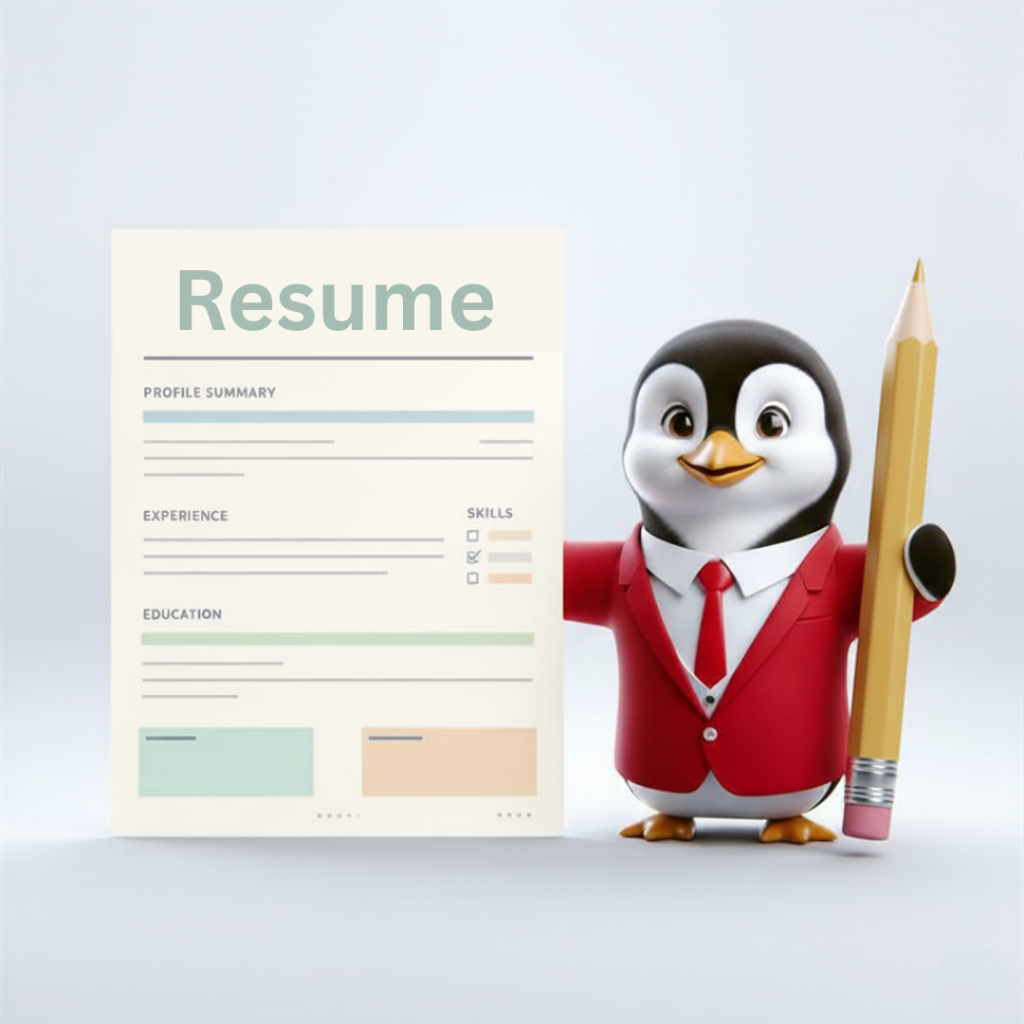
Build a clean, globally ready resume in minutes with HRTailor.AI’s Resume Builder. Tailor it for the USA, UK/EU, India, or the Middle East—then export and apply with confidence.

Frequently Asked Questions
It uses clean formatting, role-specific keywords, and structured sections, so ATS tools can read your details correctly and match you to the job.
No. AI sharpens your real achievements and metrics while keeping your voice. It enhances clarity without inventing anything.
Yes. It adapts layout, tone, and spelling to match regional norms such as the USA, UK/EU, India, and the Middle East.
How to Run Payroll Without a Full Payroll System.
How to Run Payroll Without a Full Payroll System. Introduction...
Read More
The HR Compliance Gaps That Quietly Turn Into Fines.
The HR Compliance Gaps That Quietly Turn into Fines. Introduction...
Read More
How to Optimize Your LinkedIn Profile So Recruiters Actually Find You.
How to Optimize Your LinkedIn Profile So Recruiters Actually Find...
Read More
How to Compare Job Offers by Take Home Pay Before You Say Yes.
How to Compare Job Offers by Take Home Pay Before...
Read More