
Why “Polishing” Your Resume Works Better Than Rewriting It
Introduction
Most people think resume improvement means starting over. They open a blank document, rewrite every section, and spend hours fixing formatting. Even then, the final result often looks similar to what they had before. Because of that, resume updates can feel exhausting, especially when you are applying to multiple roles.
However, the smartest job seekers are shifting their approach. Instead of rebuilding everything, they polish what already exists. This method saves time, reduces stress, and often produces a stronger result. In many cases, the resume is not “bad.” It is simply unclear, outdated, or not aligned with the role.
That is why resume polishing has become more popular. Even if someone begins with a canva resume builder, the real advantage often comes later—when the content is refined and the message becomes sharper.
Rewriting feels productive, but polishing creates results faster
Rewriting can feel like progress because it takes effort. Still, effort does not always equal improvement. A complete rewrite often leads to the same problems in a new format: vague bullet points, weak summaries, and crowded sections.
Polishing is different. Instead of replacing everything, you focus on the parts that actually affect hiring decisions. For example, you improve clarity, tighten the language, and highlight achievements more effectively. As a result, the resume becomes easier to scan and more convincing to read.
Moreover, polishing is easier to repeat. Since job searching requires multiple versions, small upgrades are more sustainable than full rewrites.
Most resumes fail because of clarity, not because of experience
Many job seekers have strong experience, yet their resume does not show it well. This usually happens when responsibilities are listed without outcomes. It also happens when important details get buried in long sentences.
Clarity fixes that problem quickly. When your wording becomes simpler and more direct, your value becomes easier to spot. Additionally, when your sections flow logically, recruiters can understand your profile in seconds.
Because of this, polishing your resume often improves results more than adding extra information.
A strong resume feels current, even if your experience is older
A resume can look outdated even when the experience is impressive. Often, the issue is the style of writing. Old phrasing, long objective statements, and weak verbs can make the document feel stuck in the past.
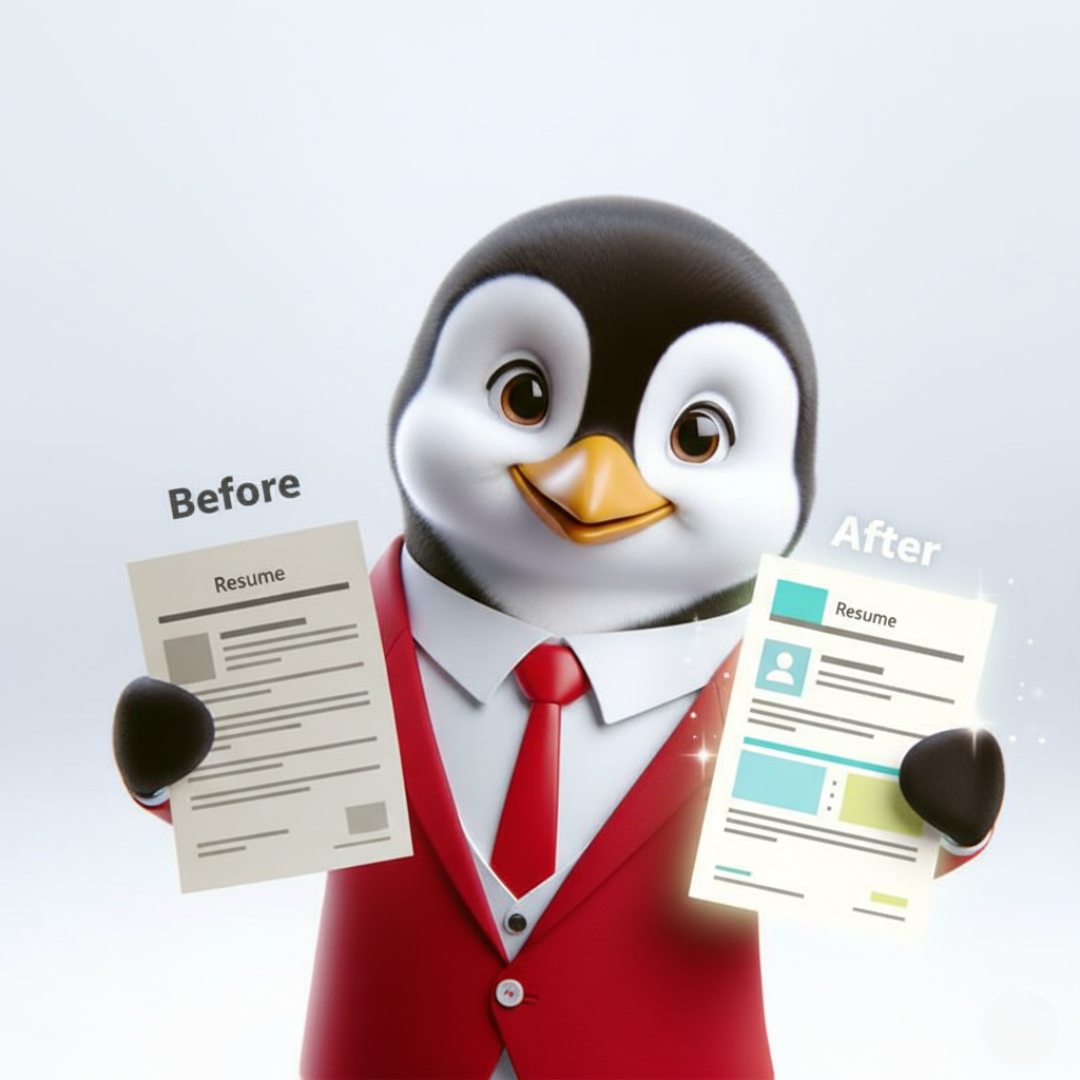
Polishing helps modernize your resume without changing your history. You keep the same roles and achievements, yet you present them in a cleaner, more current way. For instance, you can replace outdated wording with stronger verbs and sharper outcomes. Consequently, the resume reads like a modern professional profile.
Formatting matters, yet content is what gets interviews
Design can support your resume, but content still decides outcomes. That is why polishing focuses on both readability and message.
Many candidates start with clean templates from tools like a canva resume builder because it makes formatting easier. Still, even the best template cannot fix weak bullet points. Therefore, once the layout looks professional, polishing the content becomes the next step.
In other words, design opens the door, but clarity helps you walk through it.
The easiest place to polish is the top third of the resume
Recruiters pay the most attention to the top part of your resume. So, polishing should start there.
First, improve the headline if it feels generic. Then, tighten the summary so it matches the job you want. After that, reorder skills to match role requirements. These changes take less time than rewriting the entire resume. However, they often create a stronger first impression.
As a result, your resume feels more targeted without needing a full rebuild.
Bullet points improve quickly when you focus on outcomes
A polished resume shows results, not just tasks. That does not mean every bullet needs a perfect number. Still, it should show what changed because of your work.
For example, instead of writing “Responsible for managing clients,” you can write “Managed key client accounts and improved renewal outcomes through consistent support.” The same job is described, yet the impact becomes clearer.
Additionally, short bullets are easier to read. When your bullets stay focused, your experience feels more valuable and more believable.
Tailoring becomes easier when the resume is already polished
Job seekers often avoid tailoring because it takes time. However, tailoring becomes simpler when your base resume is strong.
Once your content is clear, you only need to adjust a few elements: summary, top skills, and a few bullet points. Because of that, polishing supports faster job applications. Moreover, it reduces the temptation to send the same resume everywhere.
This approach creates consistency while still keeping your applications relevant.
ATS and scanning habits reward clean structure
Many employers use systems to organize applications. Even when ATS tools are not strict, recruiters still scan quickly.
That means clean structure matters. Headings should be consistent. Sections should be easy to find. Bullets should be readable. When your resume is polished, it usually becomes more ATS-friendly simply because the structure improves.
Therefore, polishing supports both machine readability and human readability at the same time.
Polishing prevents the common “over-editing” mistake
When people rewrite, they sometimes over-edit. They add too much detail, use too many buzzwords, or try to sound overly impressive. Unfortunately, that can backfire.
Polishing reduces this risk because you are improving what is already real. You do not invent achievements. Instead, you express your true experience more clearly. As a result, the resume feels authentic and confident.
Also, authenticity matters because interviews often depend on what is written in the resume.
When should you rewrite instead of polish?
Polishing works best when you already have experience and a basic resume structure. Yet, rewriting is useful in certain cases.
For instance, a rewrite may be needed if your resume is extremely outdated, missing key sections, or written for a completely different career direction. Even then, polishing can still play a role once the new direction is set.
So, the decision is simple: if the content exists, polish it. If the foundation is missing, rebuild it first and polish afterward.
Conclusion
Polishing your resume works better than rewriting because it targets what actually improves results: clarity, structure, and impact. It saves time, reduces stress, and makes tailoring easier. Many job seekers start with a template through tools like a canva resume builder, yet real improvement usually happens when the wording is refined and the resume becomes more aligned with the role.
That is where HRTailor.AI Resume Enhancer fits naturally. It helps you upgrade an existing resume by strengthening bullet points, improving structure, and refining the overall message based on role and location—so your resume feels sharper without starting from scratch.
Claim 10,000 free credits on your first signup on HRTailor.AI.

Frequently Asked Questions
Focus on upgrading your summary, tightening bullet points, and adding measurable outcomes. After that, align your skills with the job description and clean up formatting for easier scanning.
Start each bullet with an action verb, then add impact. Instead of listing tasks, show results such as time saved, revenue supported, quality improved, or customers served.
Use simple headings, consistent dates, and standard section names like Skills and Experience. Also, add role-relevant keywords naturally in your summary and skill section while keeping the layout clean.
Yes. Even if your draft came from a canva resume builder, the biggest improvement comes from refining content—stronger achievements, clearer skills, and better alignment for the role.
Update the top section first: headline, summary, and top skills. Then polish the most recent experience bullets, because recruiters usually focus on your latest role and results.
What a Complete Employee Onboarding Checklist Actually Covers.
What a Complete Employee Onboarding Checklist Actually Covers. Introduction A...
Read More
How to Run an HR Audit That Finds Risk Before It Costs You.
How to Run an HR Audit That Finds Risk Before...
Read More
Why HR Teams Swap Spreadsheets for a Payslip Generator.
Why HR Teams Swap Spreadsheets for a Payslip Generator. Introduction...
Read More
Build a Job Ready Resume in Minutes With an AI Resume Builder.
Build a Job Ready Resume in Minutes With an AI...
Read More