How AI Is Changing the Way Companies Approach Compliance Management
Compliance used to feel like a checklist you could “get to” after finishing real HR work.
Then the company grew. The rules expanded. Deadlines multiplied. Suddenly, compliance wasn’t a background task anymore. It became the thing you carried in your chest all day—because one missed step can turn into a notice, a penalty, or a difficult leadership conversation.
If you’ve ever closed your laptop and still felt uneasy, you’re not alone. That uneasiness is what many HR teams quietly live with. And it’s exactly why AI is changing compliance management in a way that feels… human. Not cold. Not robotic. Just steadier.
Before we talk about AI, let’s make sure the topic is crystal clear.
What “compliance management” actually means (in simple terms)
Compliance management is the way a company ensures it follows required rules and keeps proof ready. In HR, that can include policies, employee letters, payroll-related documentation, statutory processes, and audit trails.
The tricky part is that compliance today is not only about “doing the work.” It’s about doing it consistently, doing it on time, and showing evidence without panic.
Government systems are also increasingly designed around structured reporting and online processes. For example, India’s Unified Shram Suvidha Portal is meant to be a single point of contact for reporting inspections and submitting returns, and it uses a Labour Identification Number (LIN) to connect records across laws and agencies.
So when your internal tracking is messy, it clashes with an ecosystem that expects structure.
Why the old way starts breaking
Manual compliance work has a pattern:
-
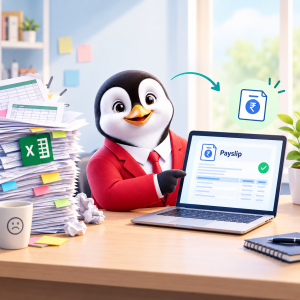
one spreadsheet becomes five
-
one “final” policy becomes three versions
-
one reminder becomes a chain of reminders
-
one missing document becomes a week of follow-ups
And the emotional cost is real. You don’t just lose time. You lose confidence. Even when you do everything right, you still wonder, “Did we miss something?”
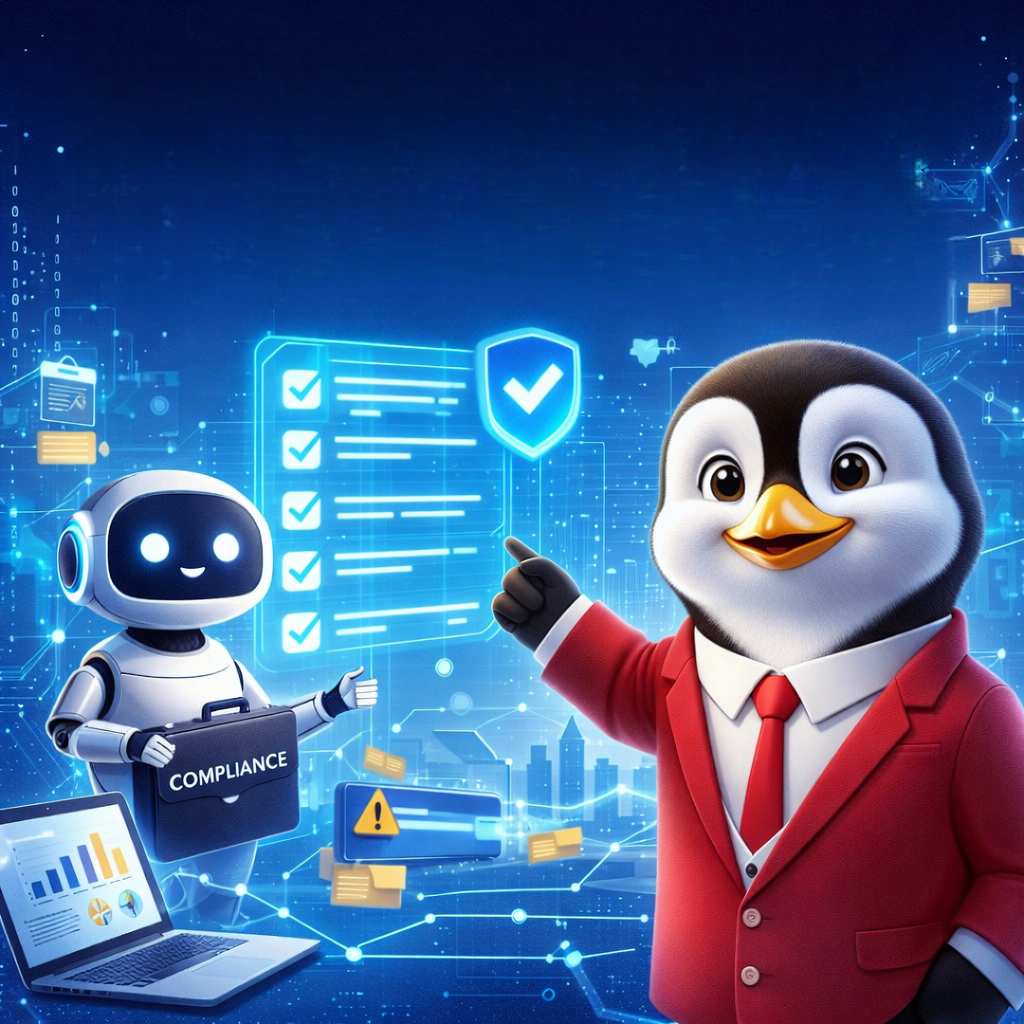
This is where ai compliance software and compliance automation tools begin to shift the experience.
Not because HR suddenly stops caring. Because the system finally starts caring back.
What AI changes first: the messy middle
AI doesn’t magically erase compliance. It removes the chaos in the middle—the chasing, the sorting, the re-checking, the constant “where is that file?” feeling.
Here’s what improves almost immediately:
1) Clearer workflows, fewer “memory jobs”
A growing HR team cannot rely on mental reminders. AI-supported workflows can guide steps in the right order, so work doesn’t depend on one person remembering everything.
That matters even more when employer portals introduce changes. EPFO, for example, has announced a revamped Electronic Challan-cum-Return (ECR) with system-based validations (from wage month September 2025 onwards) to help prevent incorrect submissions and streamline filing.
When the outside system adds validations, the inside process must be cleaner too.
2) Better consistency in policies and letters
Compliance isn’t only about filings. It’s also about what you communicate to employees.
If your offer letters, warning letters, exit letters, or policy documents vary by manager or department, you create risk. You also create employee confusion. AI can help standardise templates, keep language aligned, and reduce those “why is mine different?” moments.
This connects closely to themes from HR Audit Checklist: What HR Teams Usually Review—because audits often expose inconsistency faster than anything else.
3) Faster evidence gathering, calmer audits
Audits feel stressful because proof is scattered. AI-driven systems can organise records so the “evidence” is easier to find.
Instead of a frantic search, you get a clear trail: what was done, when it was done, and where the supporting document lives.
That’s the real relief. Not speed alone—certainty.
And yes, ai compliance software and compliance automation tools play a big role in building that certainty.
Where AI helps most: spotting risk before it becomes pain
Traditional compliance is reactive. AI makes it more proactive.
For example, employer obligations around contributions have real timelines. ESIC’s employer guidance notes that contributions are to be paid within a defined window tied to the wage period. When timelines are tight, “we’ll do it later” becomes dangerous.
AI-supported systems can flag overdue items, highlight missing data, and reduce the chances of silent non-compliance.
Even when nothing is “wrong,” those nudges matter. They keep you steady when the company is moving fast.
AI doesn’t replace HR. It protects HR.
This part matters, so I’ll say it plainly:
You don’t need AI to be smarter than you. You need AI to stop draining you.
HR work is emotional work. You manage people’s expectations, careers, conflicts, and dignity. Compliance becomes unbearable when it steals that energy.
With ai compliance software and compliance automation tools, HR gets space back.
Space to talk to managers instead of chasing them.
Space to design better policies instead of rewriting the same letter.
Space to build culture instead of surviving admin.
If you’ve read Why Manual Compliance Tracking Becomes Hard as Companies Grow, you already know the core truth: scale punishes manual systems. AI simply gives HR a fair chance again.
What this looks like in day-to-day HR reality
Here’s a practical picture of the shift:
-
Instead of drafting every policy from scratch, you start from structured, consistent templates.
-
Instead of scrambling for “the latest version,” you work from a single trusted source.
-
Instead of building checklists in panic, you generate them based on the process you need.
-
Instead of carrying compliance alone, the system supports you with reminders and structure.
And when the organisation grows again—as it always does—you don’t start over. You expand what already works.
That’s the quiet power of ai compliance software and compliance automation tools.
Conclusion
If compliance management has started feeling like a constant weight, you deserve a better way to carry it.
That’s exactly why HRTailor.AI exists. We’re an AI-based HR tool designed to support HR professionals and employers in creating HR policies and HR letters for employees, so organisational functioning stays smooth and structured—not scattered and stressful.
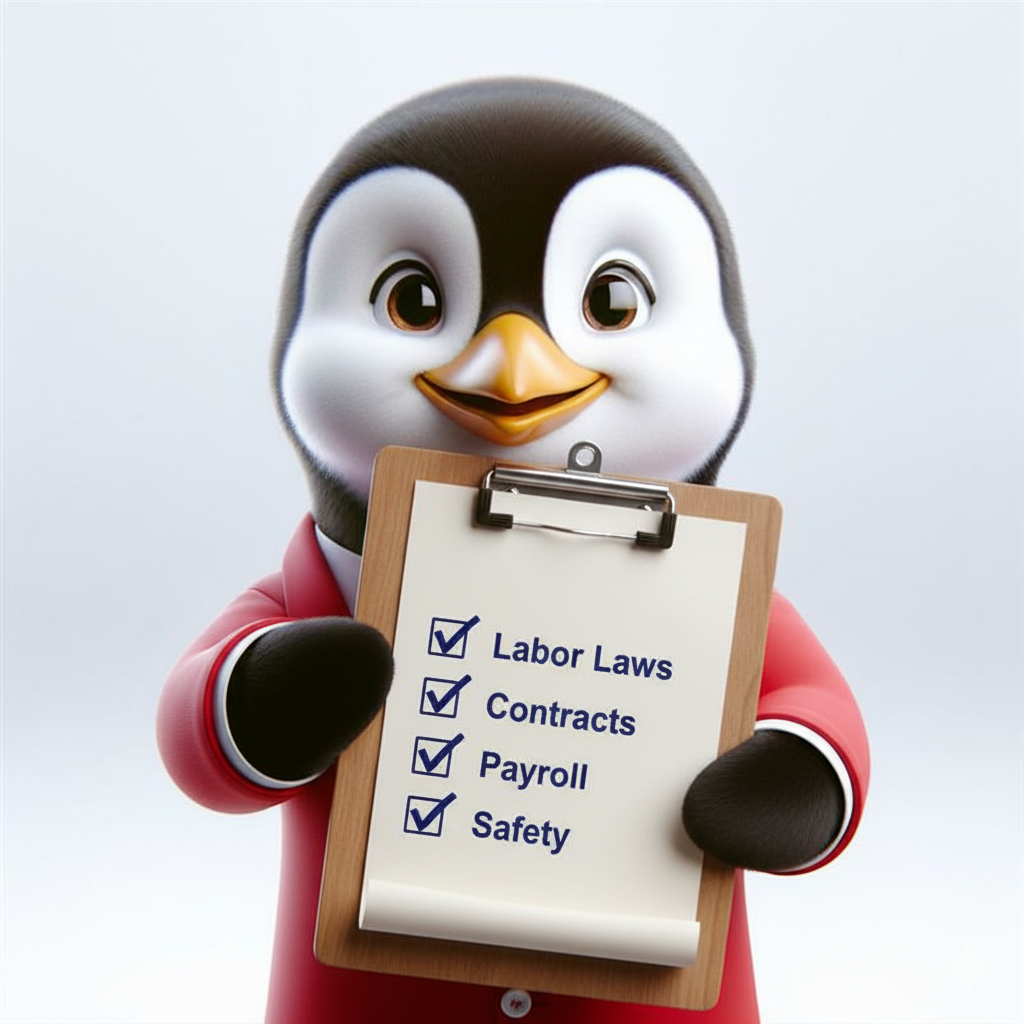
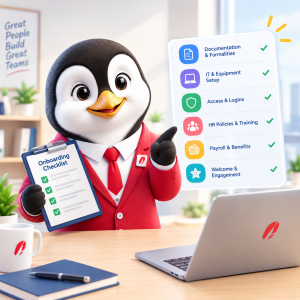
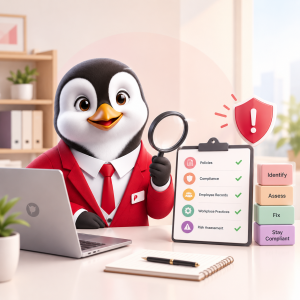
And for compliance specifically, our Compliance Checklist Generator helps you build clear, repeatable checklists that keep tasks, documents, and accountability in one place. When you sign up, you also get 10,000 free credits, so you can start creating structure immediately without hesitation.
Compliance should feel like confidence, not fear. The right system makes that possible.