Hiring the right candidate starts long before a job description is published. In fact, the most successful recruitment processes begin with clarity. Recruiters first need to understand the role itself. Only then can they communicate it effectively to candidates.
This is where a job profile sample becomes essential. It helps recruiters define expectations, responsibilities, and outcomes clearly. As a result, hiring becomes more focused, efficient, and accurate.
Let’s explore how recruiters define roles before writing job descriptions and why this step matters so much.
Why Role Definition Comes First in Recruitment
Recruitment is not just about filling a vacancy. Instead, it is about solving a business need. Therefore, recruiters must understand what the role is meant to achieve.
When roles are not clearly defined, problems often follow. Misaligned expectations, poor candidate fit, and longer hiring cycles can occur. However, when a role is defined first, these risks are reduced significantly.
Because of this, recruiters always start with role clarity.
What Is a Job Profile and Why It Matters
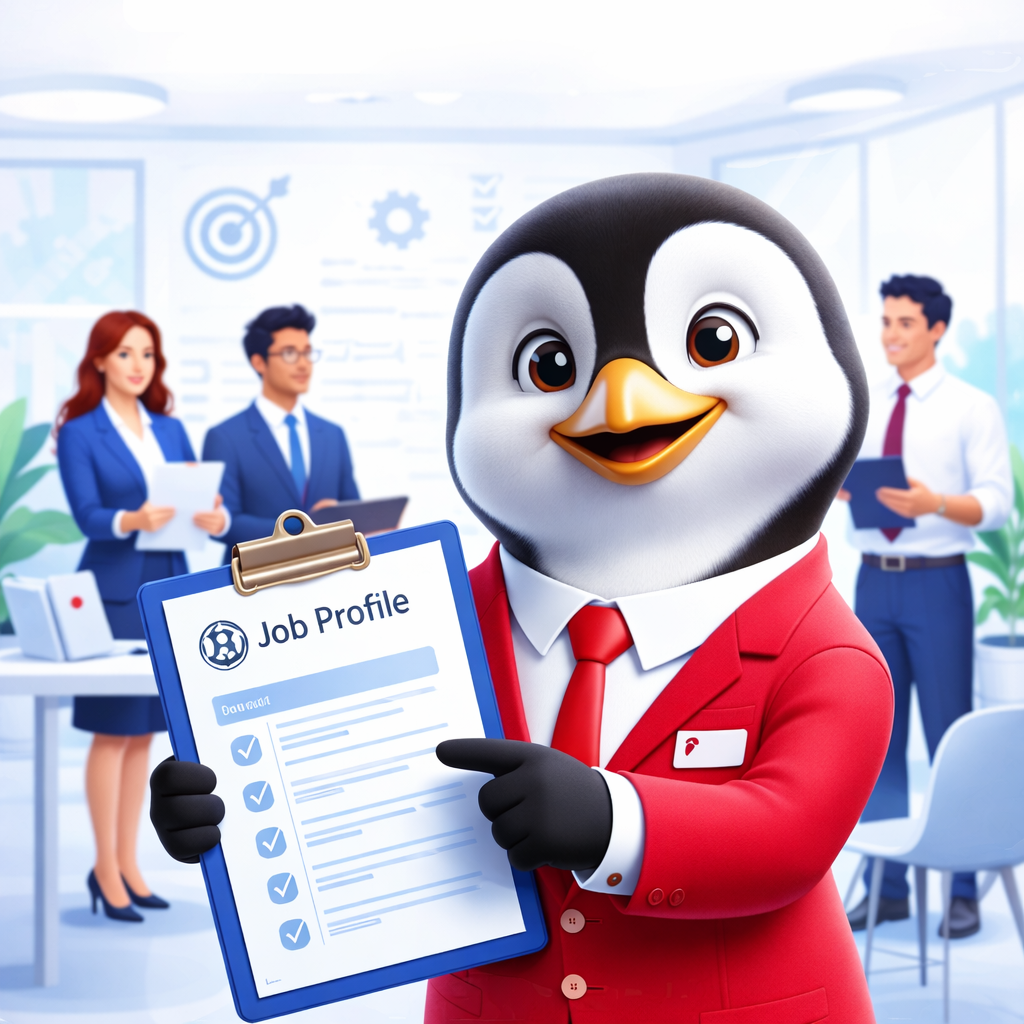
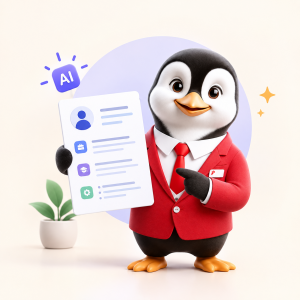
A job profile is an internal document that explains the purpose of a role. Unlike job descriptions, it is not written for candidates. Instead, it is created for recruiters, hiring managers, and internal stakeholders.
It focuses on:
-
The reason the role exists
-
The outcomes expected from the role
-
The skills required to succeed
As a result, everyone involved in hiring stays aligned.
Key Elements of an Effective Job Profile
A strong job profile follows a clear structure. While formats may differ, the core elements remain the same.
1. Role Purpose
This section explains why the role exists. It connects the position to organizational goals clearly and simply.
2. Core Responsibilities
Rather than listing tasks, responsibilities are grouped by outcomes. This keeps the role realistic and focused.
3. Skills and Competencies
Both technical skills and soft skills are included. This balance helps recruiters assess candidates more accurately.
4. Reporting Structure
Clarity around reporting lines helps define accountability and collaboration.
5. Success Criteria
Recruiters often define what success looks like after a specific period. This supports performance evaluation later.
Because these elements are clearly outlined, decision-making becomes easier.
How Recruiters Use Job Profiles Before Writing Job Descriptions
Once the role is defined internally, the next step becomes much simpler. Recruiters use the job profile as a reference point.
First, expectations are reviewed with hiring managers.
Next, priorities are confirmed and refined.
Then, the information is translated into candidate-friendly language.
As a result, job descriptions become clearer and more relevant.
Job Profile vs Job Description: A Clear Difference
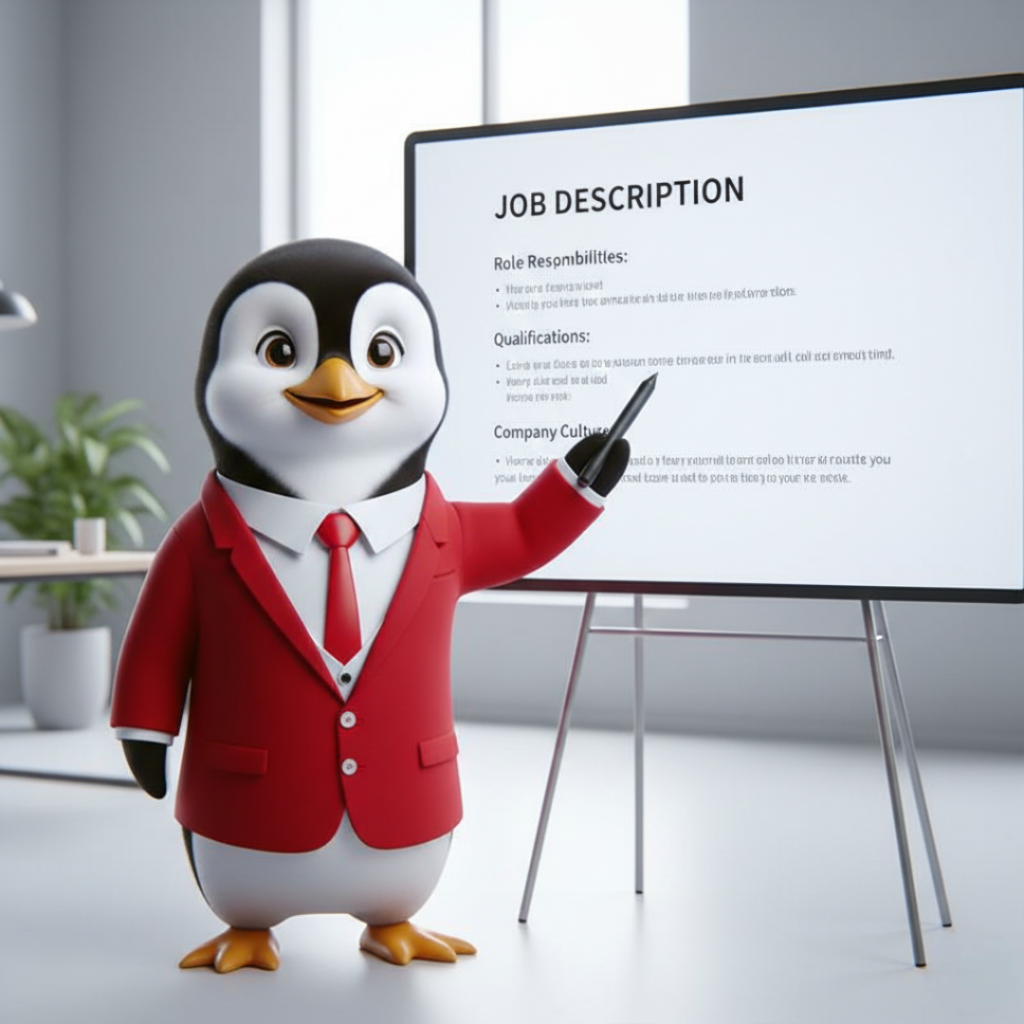
Although they are often confused, these two documents serve different purposes.
A job profile is:
-
Internal
-
Strategy-focused
-
Outcome-driven
A job description is:
-
External
-
Candidate-focused
-
Task-oriented
Therefore, job profiles act as the foundation for job descriptions.
Benefits of Defining Roles Before Hiring
When recruiters define roles early, several benefits follow naturally.
For example:
-
Screening becomes more accurate
-
Interviews become more structured
-
Hiring decisions improve
-
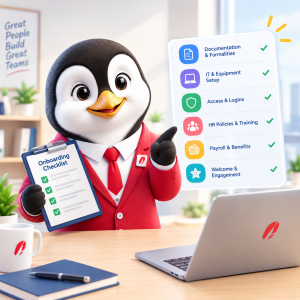
Onboarding becomes smoother
In addition, candidates gain a better understanding of expectations. This improves overall experience.
Common Hiring Problems Solved by Job Profiles
Without proper role definition, recruitment challenges are common. However, job profiles help prevent many of them.
These include:
By addressing these issues early, recruiters save time and effort.
Using AI to Simplify Role Definition
Recruitment is evolving rapidly. Technology now plays a key role in improving efficiency. Tools like HRTailor.AI help recruiters streamline the process.
Best Practices for Creating Strong Job Profiles
To keep job profiles effective, recruiters follow simple best practices:
-
Use clear and simple language
-
Focus on outcomes rather than assumptions
-
Avoid unnecessary jargon
-
Review and update profiles regularly
When these practices are followed, job profiles remain useful over time.
Why Job Profiles Matter Beyond Recruitment
The value of a job profile does not end once hiring is complete. In fact, it continues to support organizations in many ways.
Job profiles help with:
-
Performance management
-
Career development
-
Training planning
-
Workforce strategy
Therefore, they play a long-term role in organizational success.
Conclusion
Roles succeed when they are defined with intention, not assumptions. A job profile gives recruiters the space to think clearly before committing words to a job description.
By defining responsibilities, skills, and expectations early, teams reduce confusion and create stronger alignment throughout the hiring process. Tools like the HRTailor.AI Job Description Maker help structure this thinking efficiently, allowing recruiters to focus on decision-making rather than documentation.
When roles are clear, everything that follows becomes easier.