Most HR teams rely on a sample offer letter to move quickly and maintain consistency during hiring. On the surface, this approach feels efficient and dependable. However, what often goes unnoticed is how easily small oversights within a standard template can create confusion, misalignment, or even compliance risks. An offer letter may appear routine, but it quietly sets expectations, defines commitments, and shapes a candidate’s first formal experience with the organization. That is why reviewing a sample offer letter is not just a procedural step—it is a strategic decision that deserves far more attention than it usually receives.
Why a sample offer letter requires careful review
Templates exist to simplify processes. They provide structure and help teams work faster. Still, templates are designed to be generic. They cannot account for role-specific discussions, regional regulations, or unique company practices.
When HR teams rely on templates without customization, important details may be missed. As a result, what was meant to save time can introduce unnecessary risk.
Role details must be accurate
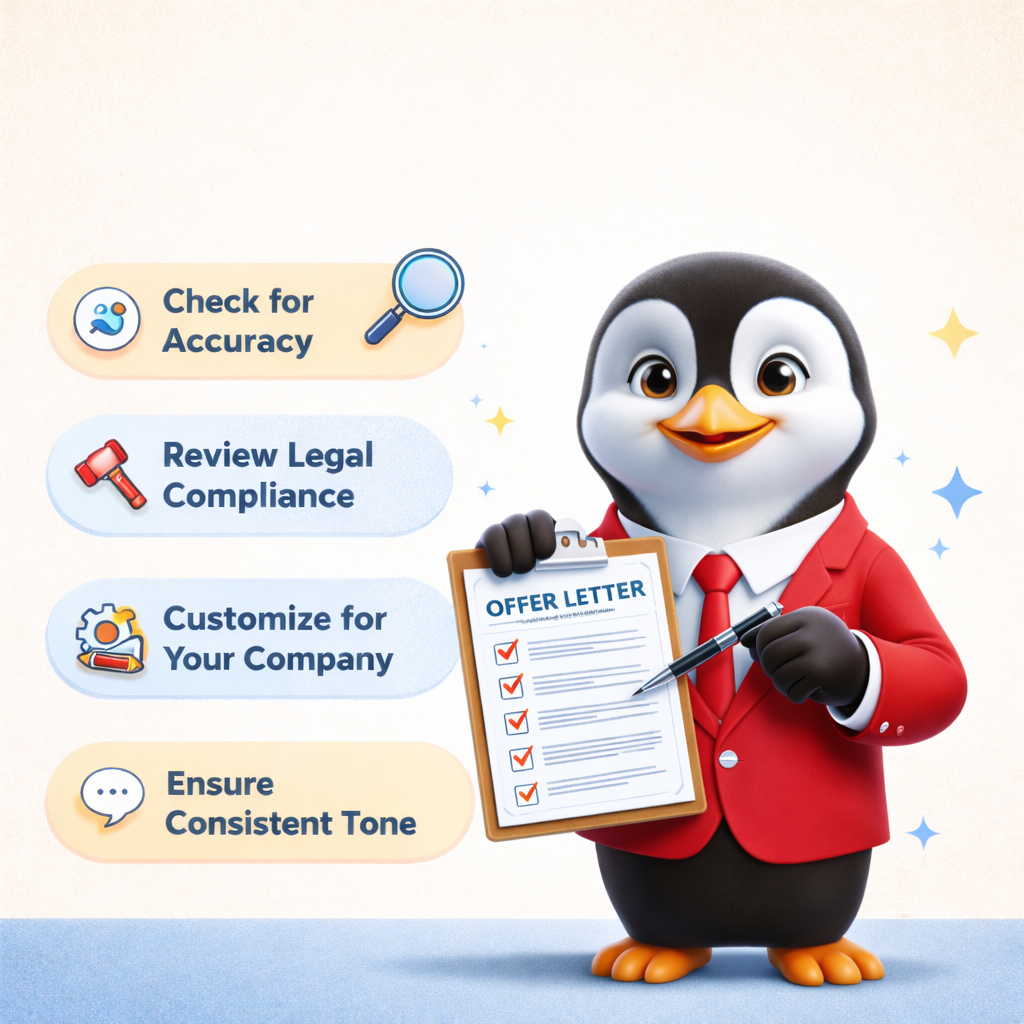
Accuracy is the foundation of a strong offer letter. HR teams should carefully verify the job title, department, reporting manager, and employment type.
Even minor discrepancies can raise doubts for candidates. Clear and accurate role details reassure candidates that the organization is aligned and professional.
Compensation information needs special attention
Compensation is often the first section candidates review closely. A sample offer letter may include standard language that does not reflect approved terms.
HR teams should confirm salary figures, pay frequency, incentive structures, and benefit eligibility. Clear compensation language reduces follow-up questions and strengthens trust early in the hiring relationship.
Legal compliance cannot be assumed
Labor laws vary by location and change over time. Templates may not reflect current legal requirements.
HR teams must review probation periods, notice clauses, and employment terms to ensure alignment with applicable regulations. Compliance protects the organization and demonstrates responsible hiring practices.
Work location and schedule should be clearly defined
Today’s work environment includes remote, hybrid, and office-based roles. Offer letters should clearly outline where and how work will be performed.
Candidates should understand working hours, flexibility expectations, and location requirements before accepting an offer. Clear terms prevent misunderstandings later.
Policy references should be current and accessible
Most offer letters reference company policies related to confidentiality or conduct. HR teams should ensure these references are accurate and up to date.
Candidates should also know where to find full policy documents. Transparency helps set clear expectations from the beginning.
Tone and language influence perception
An offer letter reflects the employer’s brand. Language that feels too rigid or impersonal can weaken the candidate experience.
HR teams should review tone to ensure it is professional yet welcoming. A balanced tone helps candidates feel valued while maintaining clarity.
Personalization improves engagement
Templates are efficient, but personalization makes a difference. Addressing the candidate by name and acknowledging the role creates a more engaging experience.
Small personalized elements help candidates feel recognized and respected, which often influences their decision to accept the offer.
Version control prevents avoidable errors
Using outdated templates can lead to inconsistencies and confusion. HR teams should ensure they are working with the latest approved version of the offer letter.
Regular reviews and internal approvals help maintain accuracy across all hiring communications.
The final review before sending
Before sending the offer letter, HR teams should conduct a final review. Checking formatting, clarity, and completeness helps identify overlooked issues.
Reading the letter from a candidate’s perspective often reveals areas that need adjustment.
How HR tools simplify offer letter creation
Managing offer letters manually increases the chance of errors. Modern HR tools help reduce this risk.
Solutions like HRTailor.AI HR letter generator allow HR teams to create accurate, customized, and compliant offer letters efficiently. By reducing manual edits, teams can focus more on candidate experience and consistency.
Conclusion
A sample offer letter is a helpful starting point, but it should never be treated as a final document. Careful review, personalization, and compliance checks help HR teams create stronger first impressions and reduce hiring risks.
For organizations looking to balance speed with accuracy, tools such as HRTailor.AI HR letter generator provide a reliable way to transform templates into polished, candidate-ready offer letters. A thoughtful offer letter sets the tone for a successful employment relationship.