Imagine you’re building something truly meaningful — a workplace where people feel respected, valued, and safe. Now imagine that unseen rules and laws are constantly shaping how that environment must be maintained. That’s where job compliance steps in. It isn’t just legal paperwork or boxes to tick. It is the heart of trust between employers, employees, and society. It’s the reason people feel secure enough to show up, give their best, and build futures with you.
But what exactly is this thing called job compliance? At its core, it means doing what’s right — legally, ethically, and humanely — when managing people and processes at work. It’s about following labour laws and workplace regulations that protect rights, ensure fairness, and prevent harm. These rules come from government bodies and are enforced to make sure workspaces are safe and equitable. From paying the correct wages to protecting personal data, this framework shapes how modern workplaces must behave.
When you first hear the term, it might feel dry or distant. Yet, compliance is emotionally woven into every worker’s experience — from feeling fairly compensated, to trusting their confidential information is protected, to knowing they have legal rights if something goes wrong.
Why Compliance Matters — Not Just as Legality, But as Human Dignity
Let’s be honest: compliance isn’t about bureaucracy for its own sake. Far from it. Every regulation has a human story behind it — someone who benefited from a safety protection or was given support because the law ensured it. Laws about minimum wages, work hours, anti-discrimination, and fair hiring set a foundation where dignity isn’t optional.
When organizations neglect job compliance, the consequences are real. Employers may face fines. More importantly, people feel betrayed. A worker who was denied rightful benefits or whose privacy was ignored carries that hurt with them. Compliance failures damage trust — a currency far more precious than money.
In contrast, a compliant organization sends a powerful message: “We care about our people.” And caring builds loyalty, boosts morale, and powers growth.
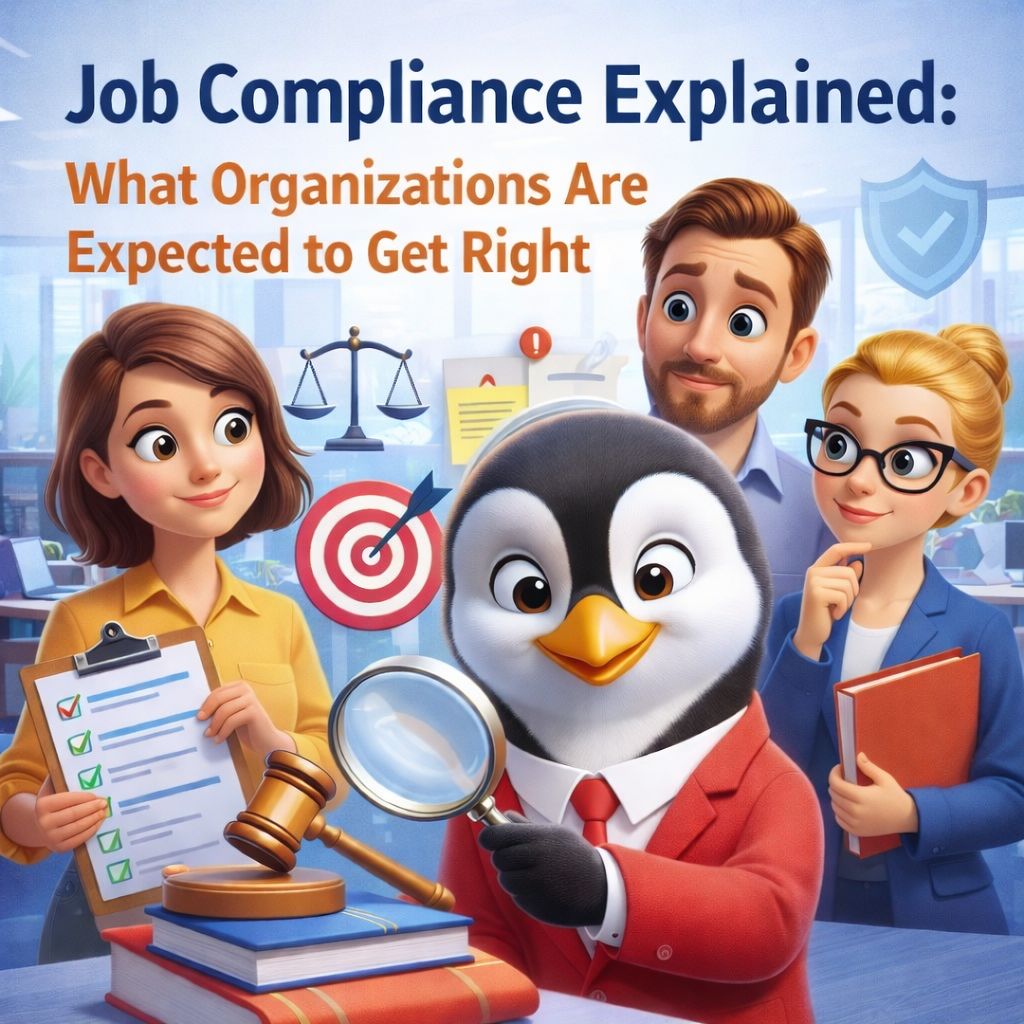
What Organizations Are Expected to Get Right
Getting compliance right is like building a house brick by brick.
1. Fair Recruitment and Hiring
Every person who walks through your hiring process deserves fairness. That means consistent interview practices, unbiased job descriptions, and documentation showing eligibility to work. These steps aren’t just legal necessities — they show respect for each applicant’s ambition and dignity.
2. Wage and Benefit Compliance
Organizations must ensure wages meet minimum standards and benefits are administered correctly. This avoids disputes and shows that the work people do has value — legally and morally.
3. Records and Documentation
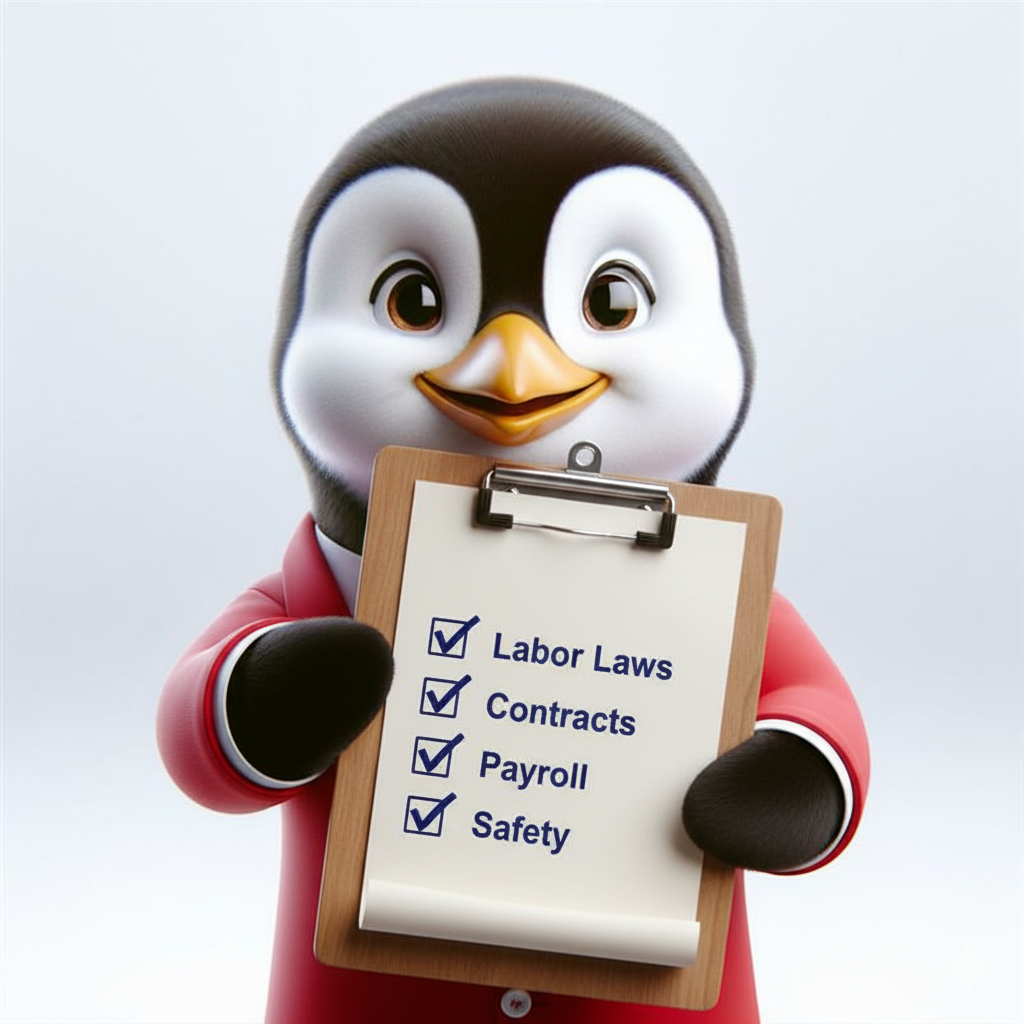
Keeping accurate records isn’t busywork. It’s a way of protecting both employees and employers. Whether it’s contracts, attendance, or safety training logs, good records signal transparency and preparedness.
4. Health, Safety, and Fair Treatment
From safe working conditions to anti-harassment policies, these standards protect individuals and honor their right to a workplace free of fear and harm.
5. Handling Changes and Updates
Laws evolve, and so do workplaces. Organizations must monitor legal changes and adapt swiftly. This ongoing attention to detail ensures that operational practices remain lawful and respectful.
In India, employers even have tools like the Shram Suvidha Portal, created by the government to help track labour law compliance and simplify reporting across many regulations.
Challenges That Make Compliance Hard — and Why Organizations Struggle
Let’s be real — even the most caring HR leaders sometimes feel overwhelmed. Compliance isn’t static. Laws change. Labour codes are updated. New technologies introduce privacy concerns. And small teams are often cut-thin trying to manage operations, hiring, benefits, and legal duties all at once.
Even something as basic as calculating overtime, interpreting new wage rules, or maintaining multiple statutory records can feel like navigating a storm without a compass. Organisations that lack a systematic approach quickly fall behind, not because they don’t want to comply, but because the terrain keeps shifting beneath their feet.
That’s where smart support becomes emotional support — helping the people who carry the weight of compliance.
Conclusion — A Future Where Compliance is Human First
In the end, job compliance is more than a legal box to check. It’s a promise to every individual who joins your company — a promise that their rights matter, that their work environment will be fair, and that they are seen and valued.
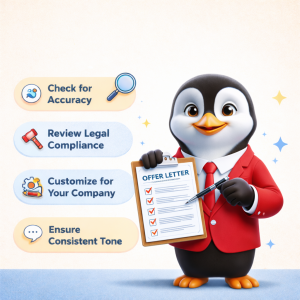
At HRTailor.AI, we believe compliance should support people, not burden them. Our AI-based HR tool — especially our Compliance Checklist Generator — is built to empower HR teams and employers alike. And here’s something special: when you sign up, you get 10,000 free credits to explore all the helpful features. Every credit brings you closer to peace of mind.
Let’s make compliance both simple and compassionate — for every workplace, every employee, and every day.