Before a new hire logs in, walks into the office, or meets the team, expectations are already forming. Not from conversations—but from what is written.
The appointment letter is often the first official signal of how structured, transparent, and prepared an organization truly is. When it’s precise, people feel secure. When it’s unclear, doubt creeps in early.
That’s why HR teams don’t treat appointment letters as routine documents. They treat them as the starting point of alignment.
What an Appointment Letter Sets in Motion
An appointment letter does more than confirm an offer. It locks in understanding.
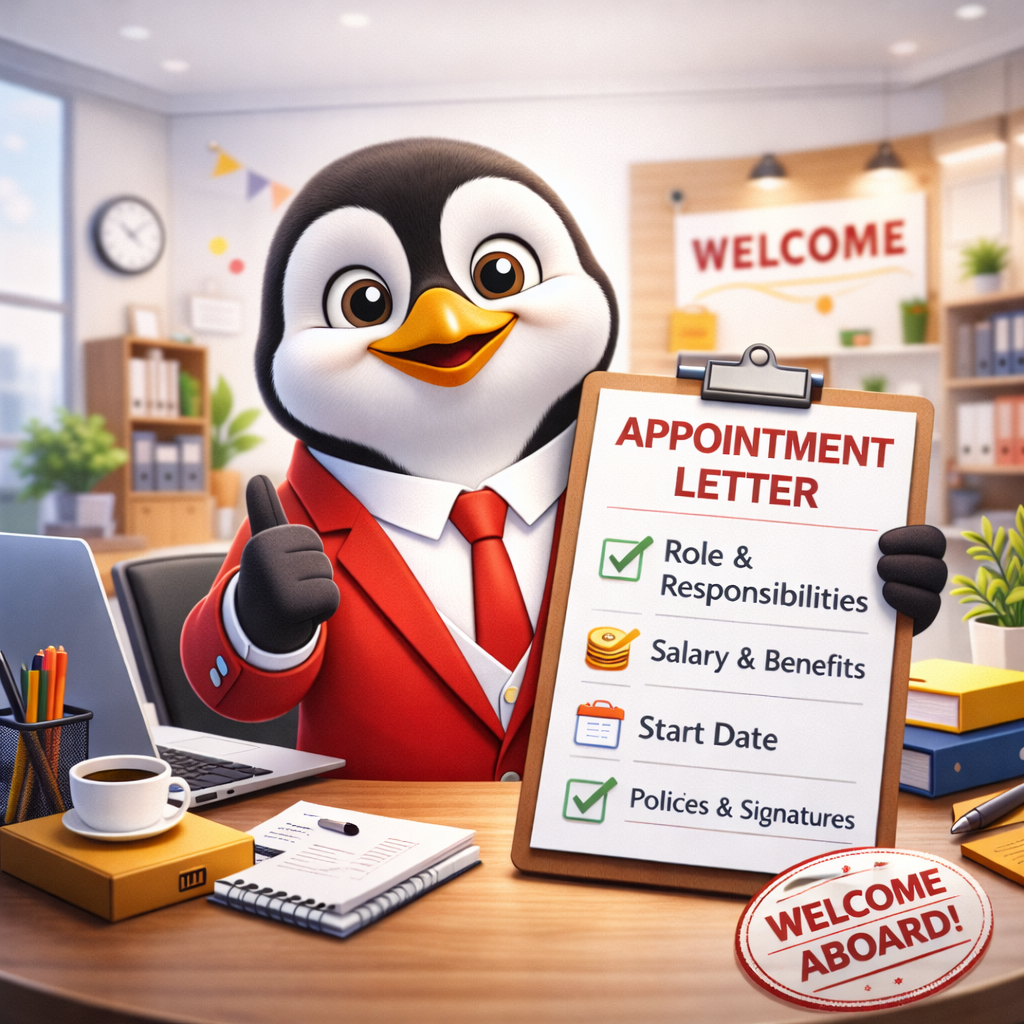
It tells a new hire:
-
What role they are stepping into
-
When the employment officially begins
-
How terms are defined from the outset
As a result, it becomes the reference point for everything that follows—from onboarding to performance discussions.
Where Appointment Letters Fit in the Hiring Timeline
Appointment letters sit between acceptance and onboarding.
Once a candidate agrees verbally or via email, this document formalizes the relationship. It ensures that nothing remains implied.
In contrast, a joining letter usually follows later. It simply confirms that the employee has joined on a specific date. One defines terms. The other confirms presence.
Information HR Teams Should Never Leave Open-Ended
Role and designation clarityTitles should match internal structure. Ambiguity here creates confusion later.
Start date confirmation
Clear dates reduce back-and-forth and misalignment.
Compensation breakdown
Even when detailed salary sheets exist, the appointment letter should summarize core components.
Employment status
Permanent, probationary, contractual, or temporary—this must be explicit.
Reporting structure
Knowing who to report to helps new hires settle faster.
What Makes an Appointment Letter Easy to Trust
Trust comes from clarity and tone.
Short sentences work better than legal-heavy language. Direct wording reduces interpretation. Consistent formatting signals professionalism.
When HR teams write appointment letters with the reader in mind, fewer questions arise later.
Details HR Teams Often Add Too Much Of
More information does not always mean better clarity.
Avoid:
-
Policy pages copied into the letter
-
Informal commitments not formally approved
-
Overly complex clauses that confuse rather than inform
Appointment letters should inform, not overwhelm.
How Clear Letters Reduce Early Onboarding Friction
Many onboarding questions begin with, “I wasn’t sure if…”
Clear appointment letters eliminate those moments. New hires arrive knowing their role, terms, and structure. HR teams spend less time clarifying basics.
As a result, early engagement improves naturally.
How HR Teams Keep Appointment Letters Consistent at Scale
As hiring increases, manual drafting becomes risky.
This is where tools like the HRTailor.AI HR Letter Generator help HR teams maintain consistency. Standard formats, structured inputs, and review-ready drafts reduce errors while keeping human oversight intact.
Efficiency improves without sacrificing clarity.
Why Appointment Letters Shape Employer Perception Early
Candidates form opinions fast.
A clear appointment letter signals preparedness. A rushed one suggests disorganization. Even before day one, impressions are set.
Strong documentation quietly reinforces credibility.
When Appointment Letter Templates Need Review
Appointment letters should not remain static.
Policy updates, compensation changes, or role restructuring require template reviews. Small revisions prevent long-term miscommunication.
HR teams that review templates regularly stay ahead of confusion.
Conclusion
Appointment letters quietly define how a professional relationship begins. When written with clarity and intent, they reduce friction, build confidence, and set expectations early.
HR teams that invest thought into this first document often see smoother onboarding and stronger alignment later. Strong starts don’t happen by accident—they’re written carefully from the very beginning.