A few years ago, most people treated their resume like a one-time document. It was created once, updated occasionally, and reused for months—sometimes even years. But hiring doesn’t work like that anymore. Job postings move quickly, competition is intense, and expectations are higher. So naturally, job seekers have changed their approach.
That is exactly why online CV tools have become so popular. A cv maker helps candidates build a clean, professional-looking resume faster, without spending hours struggling with formatting. However, the real shift goes deeper than templates. Today, job seekers want their resumes to be clearer, more relevant, and easier to scan—both by recruiters and by systems.
The job market has become “fast-scrolling,” and your CV must match it
Recruiters often skim before they read. In many cases, they are reviewing dozens—sometimes hundreds—of profiles. Because of that, your resume needs to communicate your value quickly.
Online builders make this easier by organizing your content into a structure that is simple to scan. Headings are consistent, spacing looks clean, and sections are placed where recruiters expect them. As a result, the important details—skills, achievements, and experience—are less likely to get missed.
Formatting problems used to waste time, and job seekers are done with that
If you have ever adjusted margins for 30 minutes just to fit one extra line, you already understand the frustration. Traditional word processors can be powerful, yet they can also be time-consuming for resume design.
With a cv maker, most layout decisions are already handled. Your focus shifts from “How does it look?” to “What does it say?” That change saves time, and it also reduces errors like inconsistent fonts, broken bullet alignment, and messy spacing.
The real reason people are switching: content matters more than design
A resume can look beautiful and still fail. Why? Because hiring decisions are not driven by design alone. They are driven by relevance and proof.
This is why modern job seekers don’t just want a template. They want help making their content stronger. This is why modern job seekers don’t just want a template. They want help making their content stronger—through clearer summaries, sharper bullet points, and more focused achievements. Responsibilities are expected to highlight impact without sounding fake or exaggerated.
And importantly, Most importantly, resumes are now expected to align closely with the specific role being targeted. A strong resume is not generic. It is aligned.
ATS systems are shaping how resumes are written
Applicant Tracking Systems (ATS) are used by many employers to sort and organize applications. While each system behaves differently, one pattern is consistent: resumes that are too complex can become harder to parse and evaluate.
That is why clean layouts have become the safer choice. Clear headings, readable formatting, and standard structure help both humans and software. So even if you are applying to companies that don’t use ATS heavily, you still benefit—because readability improves either way.
“Free” options are popular, but the smartest users upgrade the message
It’s easy to see why people search for a curriculum vitae builder free option. When you are applying to multiple roles, cost adds up quickly. Free tools remove that friction and help candidates start immediately.
Still, many job seekers realize something after they build the first draft: the resume looks fine, but it doesn’t feel powerful. That’s when they start focusing on the part that truly changes outcomes—how achievements are framed, how skills are positioned, and how relevant keywords are used naturally.
In other words, the first draft is only the beginning.
Tailoring is becoming normal, because one resume rarely fits every role
Candidates are no longer applying to just “any job.” They are applying to specific roles, in specific industries, with specific requirements. Therefore, resumes are being tailored more often.
Online tools support this shift because they make edits faster. You can create a base version, then adjust your headline, summary, and key bullets for each role. That way, your resume stays consistent while still feeling targeted. Over time, this approach improves results and makes job searching less stressful.
Global applications are rising, and resumes must match regional expectations
Remote work and international opportunities have expanded the job market. But resumes are not always identical across regions. Some places expect longer CVs. Others expect concise resumes. Some formats emphasize education, while others emphasize projects and results.
That’s why many job seekers now prefer tools that can adapt formatting and content depending on the market. When a resume aligns with local expectations, it feels more natural to recruiters—and your profile looks more credible.
Why online resume enhancement is growing alongside CV makers
A cv maker helps build a resume. Resume enhancement helps improve it.
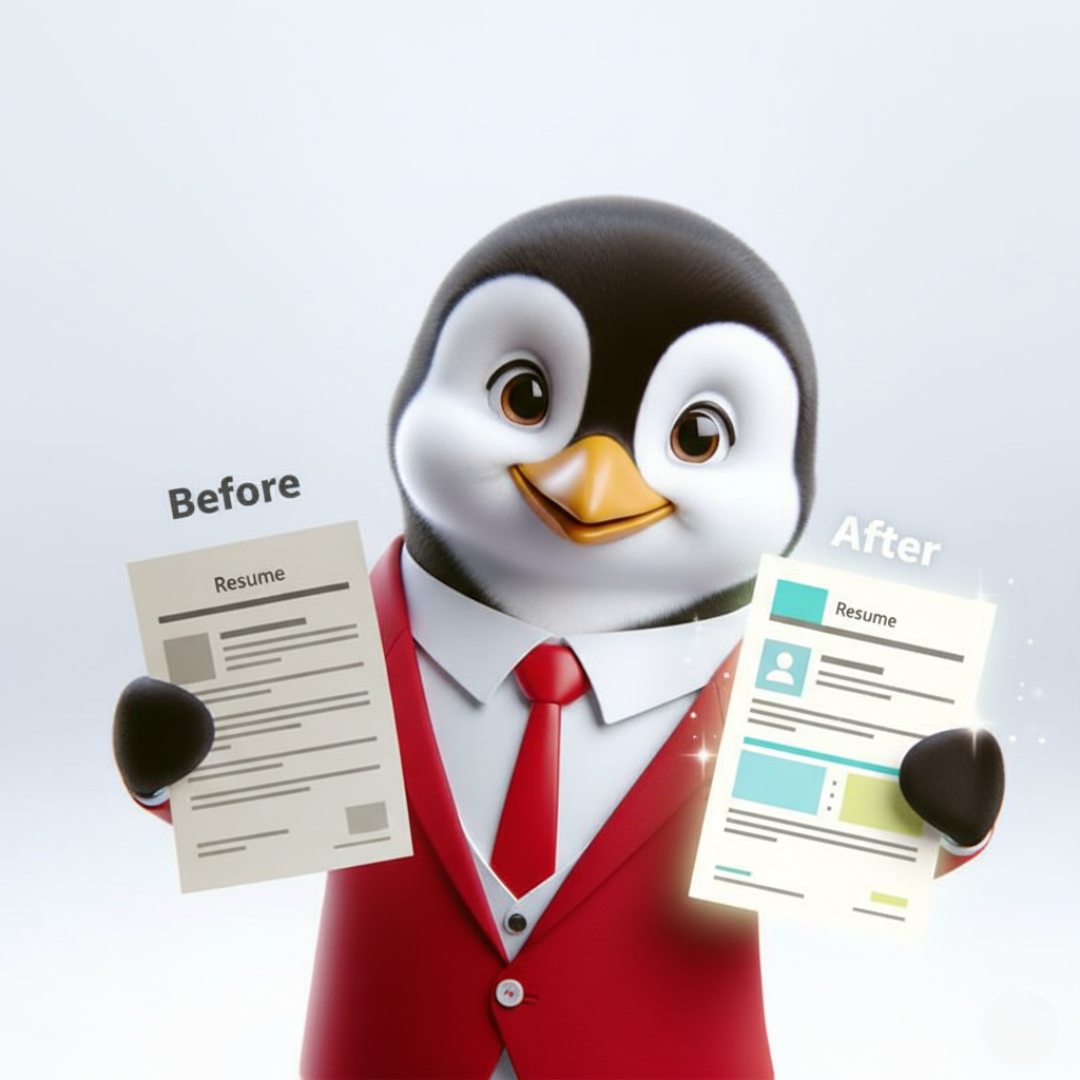
This is a big reason online tools are winning: many candidates already have a resume, yet they know it can be stronger. So, instead of rebuilding everything, they prefer tools that refine what they already wrote—improving clarity, strengthening impact, and aligning the resume with the job role and location.
This “build + enhance” mindset is becoming the modern standard.
Conclusion
Online CV tools are popular because they solve real problems: they save time, improve formatting, boost readability, and make tailoring easier. A cv maker helps job seekers create clean structure quickly, while demand for a curriculum vitae builder free option continues because it lowers the barrier to get started. Yet, the biggest advantage comes when resumes are not only built—but also optimized for role fit, ATS readability, and market expectations.
That’s where HRTailor.AI fits naturally. With its Resume Enhancer, you can upload an existing resume and improve it by targeting your role and location—so the final version is cleaner, sharper, and more aligned with today’s hiring standards.
Claim 10,000 free credits on your first signup on HRTailor.AI.