Introduction
Every workplace runs on more than rules and processes. It runs on daily choices—how leaders respond, how teams communicate, and how people treat one another when pressure rises. Employees rarely judge culture by policy documents. Instead, they judge it by lived experience.
Ethics influence these experiences more deeply than any checklist ever could. They guide behaviour when instructions feel incomplete. They shape reactions when situations feel uncomfortable. Understanding this connection helps organisations build workplaces where people feel respected, safe, and motivated.
Understanding Ethics Before Rules
Ethics define what people believe is right and fair. They influence actions even when no one watches. A code of ethics puts those shared values into clear language, giving employees direction during uncertain moments.
In real workplaces, ethical thinking fills the gaps that rules cannot cover. No document can predict every situation. No policy can anticipate every human response. That is why ethics and code of ethics matter beyond compliance.
Governments expect organisations to act responsibly, prevent discrimination, and protect employee dignity. Ethical standards help employers meet these expectations through everyday behaviour, not just written promises.
How Ethics Shape Daily Workplace Behaviour
Culture forms through repeated actions. Leaders give feedback. Teams handle mistakes. Managers exercise authority. Ethics quietly influence every one of these moments.
When organisations communicate ethical values clearly, employees act with confidence. They trust their judgement, take responsibility & feel secure raising concerns. Over time, this trust becomes part of the organisation’s identity.
Without ethical clarity, even strong rules feel rigid. Employees follow instructions but disconnect emotionally. Eventually, uncertainty replaces trust.
The Role of Codes of Ethics as Organisations Grow
Growth changes dynamics. Personal relationships fade. Teams spread across departments and locations. During this phase, organisations need shared values more than ever.
A clear code of ethics gives new employees direction beyond their job roles. Managers rely on it when decisions feel complex. Leaders use it to model behaviour consistently.
Through ethics and code of ethics, organisations preserve cultural integrity even as structures evolve. Values stay visible while teams expand.
Why Ethics and HR Policies Must Work Together
Ethics guide intention. HR policies create structure. When both align, fairness becomes predictable.
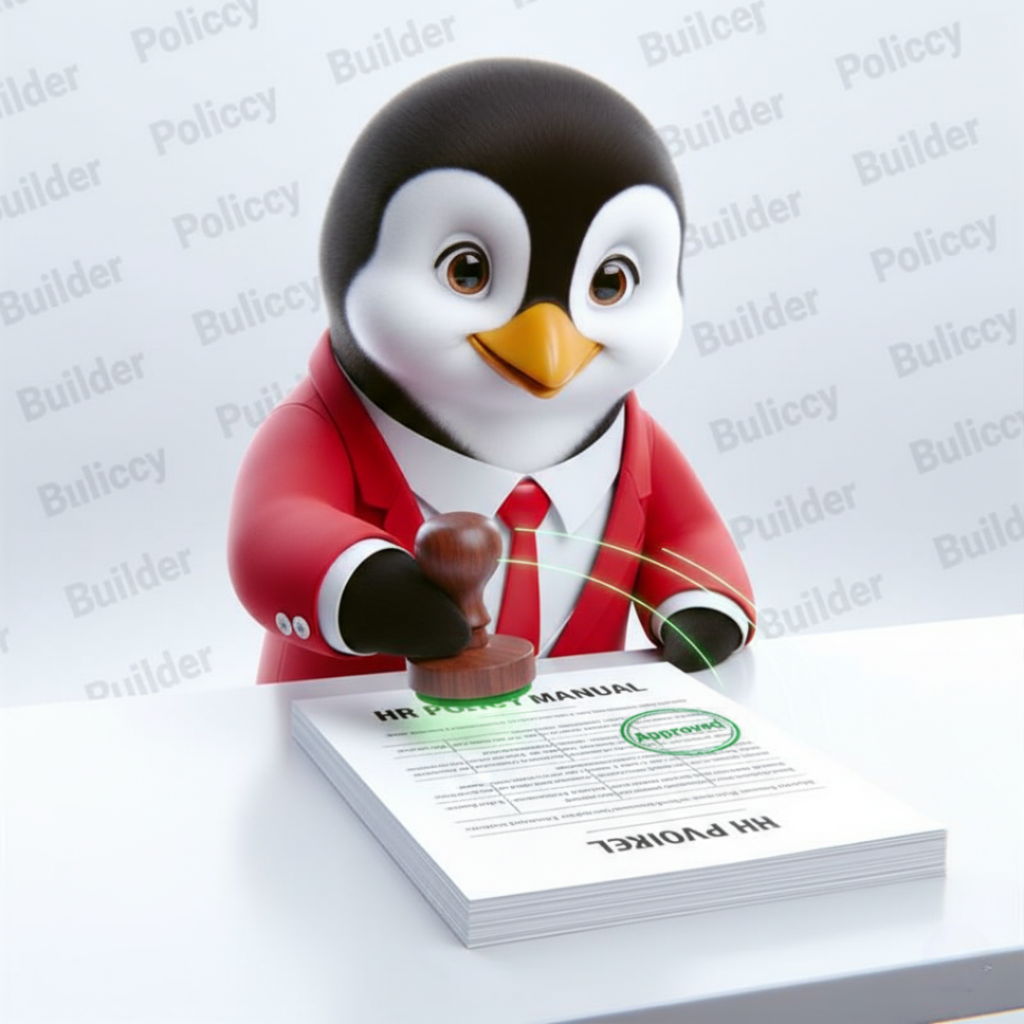
HR policies maintain discipline, clarity, and a healthy work environment. Ethics ensure those policies serve people, not just procedures. Together, they reduce conflict and build credibility.
Labour authorities require employers to document conduct, discipline, and grievance processes. Ethical thinking ensures organisations apply these policies with consistency rather than convenience.
HR Letters as Everyday Ethical Signals
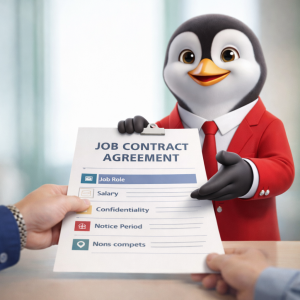
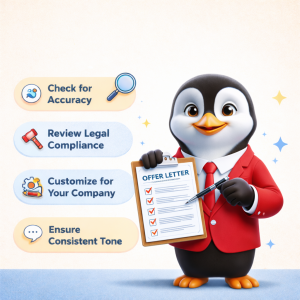
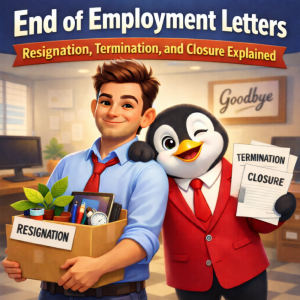
HR letters carry real weight. Appointment letters set expectations clearly. Confirmation letters strengthen belonging. Warning letters address issues while protecting dignity.
When HR teams align letters with ethical values, employees understand decisions quickly. They see structure instead of bias. They feel respected even during difficult conversations.
This transparency strengthens professional relationships and reinforces trust across the organisation.
Ethics, Compliance, and Long-Term Stability
Compliance keeps organisations within legal boundaries. Ethics keep them grounded in fairness. Together, they support long-term stability.
Many organisations meet legal standards yet still create unhealthy environments. Ethical thinking prevents this disconnect. It encourages leaders to consider impact, not just legality.
The ethics and code of ethics help organisations make responsible choices under pressure, especially when rules leave room for interpretation.
Why Manual HR Documentation Creates Risk
HR teams often draft policies and letters manually. This process consumes time and increases the risk of inconsistency. Updates get delayed. Language becomes outdated. Regional requirements slip through.
As organisations grow, these risks multiply. Employees notice unclear communication. HR teams feel pressure. Trust weakens quietly.
Manual systems rarely support ethical consistency at scale.
How Technology Supports Ethical Consistency
Modern HR teams use technology to reduce friction. AI-based HR platforms help teams generate HR policies and HR letters using simple inputs.
These tools allow industry-wise, state-wise, and country-specific customisation. HR teams maintain accuracy without repetitive drafting. Leaders focus on people rather than formatting.
Technology does not replace ethics. It supports them by removing avoidable errors.
Why Culture Reflects Ethics More Than Rules
Employees remember how leaders handled moments of tension. They remember fairness, tone, and follow-through. These memories define culture more than written rules.
Ethical workplaces encourage accountability without fear. They promote openness and shared responsibility. People stay longer where values guide decisions.
Through ethics and code of ethics, organisations keep values alive even as teams and structures change.
Conclusion
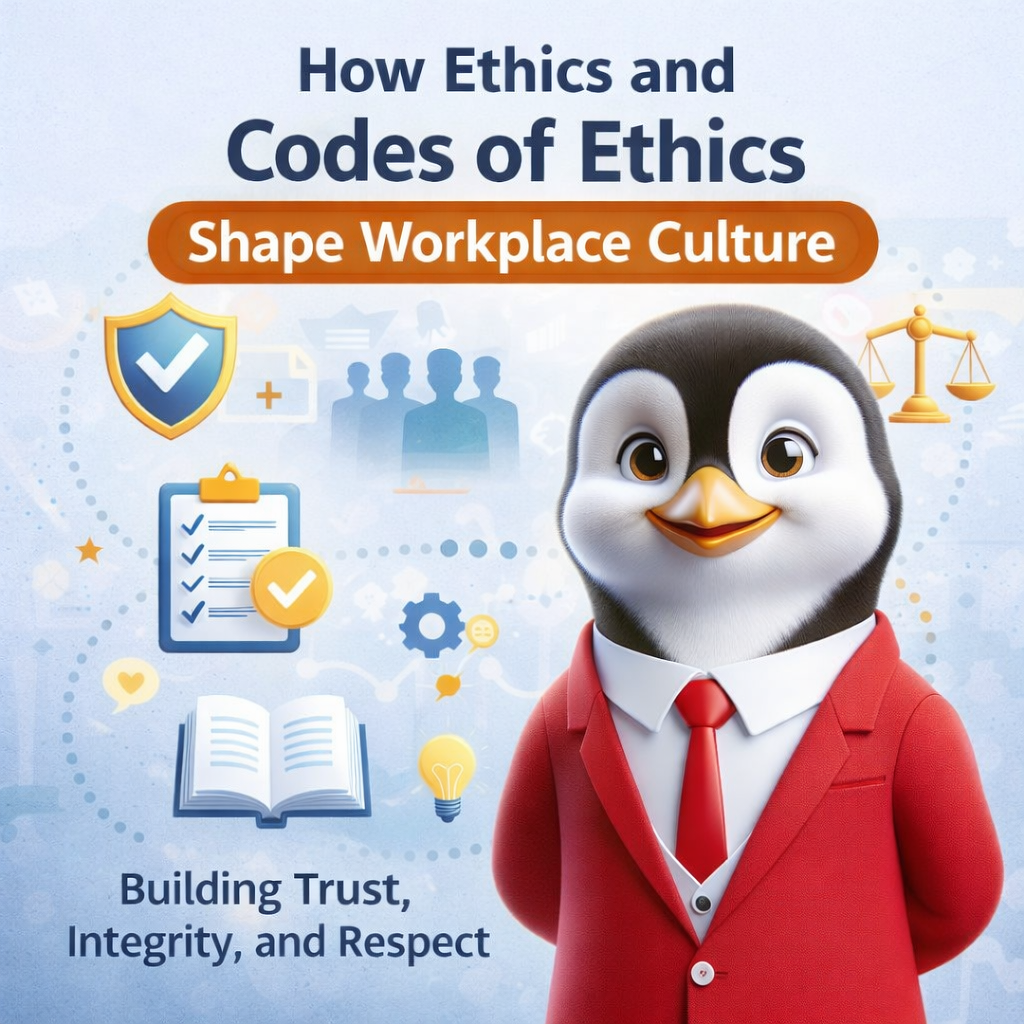
Strong workplace culture grows from daily decisions, not documents alone. Ethics give meaning to rules. Codes of ethics provide direction when clarity matters most.
When HR policies and HR letters align with ethical values, organisations build consistency, compliance, and trust. When the right tools support HR teams, clarity becomes easier to maintain.
At HRTailor.AI, we help HR professionals and employers create HR Policies and HR Letters quickly using AI. With basic inputs, users generate industry-specific, state-wise, and country-compliant documents that support ethical and structured workplaces. Signing up gives you 10,000 free credits to start with confidence.
Because culture improves when values lead and systems support.