Resumes used to be simple documents. You wrote your experience, listed your skills, and hoped the format looked professional. Today, the hiring world moves faster, and expectations have risen. Because of that, the resume has evolved too.
In many industries, your resume now competes with hundreds of others. Meanwhile, recruiters often scan quickly, and systems sort applications even faster. As a result, job seekers are searching for smarter ways to stand out without spending days rewriting the same document.
That shift explains why the ai resume builder has become so popular. Instead of starting from a blank page, candidates can now create stronger resumes with guidance, structure, and improvements built into the process.
Why resumes needed a change in the first place
Hiring has become more digital than ever. For many roles, applications are filtered before a human even reads them. Therefore, resumes must be clear, keyword-aligned, and easy to scan.
At the same time, job seekers apply more often than they did in the past. Because roles change quickly, they need faster updates and better tailoring. In that environment, AI tools feel less like a luxury and more like a practical advantage.
AI helps people write with clarity, not guesswork
Many candidates struggle with the same question: “How do I describe what I did?” Even strong experience can sound weak when it is written in vague language.
AI tools address this problem by suggesting clearer phrasing. For example, instead of listing responsibilities, job seekers can be guided toward outcomes. Moreover, AI encourages action-driven language that feels more direct and more professional.
Because of this, resumes often become easier to read. In addition, the message becomes more confident without becoming exaggerated.
Smarter structure improves first impressions
Formatting matters, yet structure matters even more. Recruiters look for familiar sections, logical order, and simple scanning.
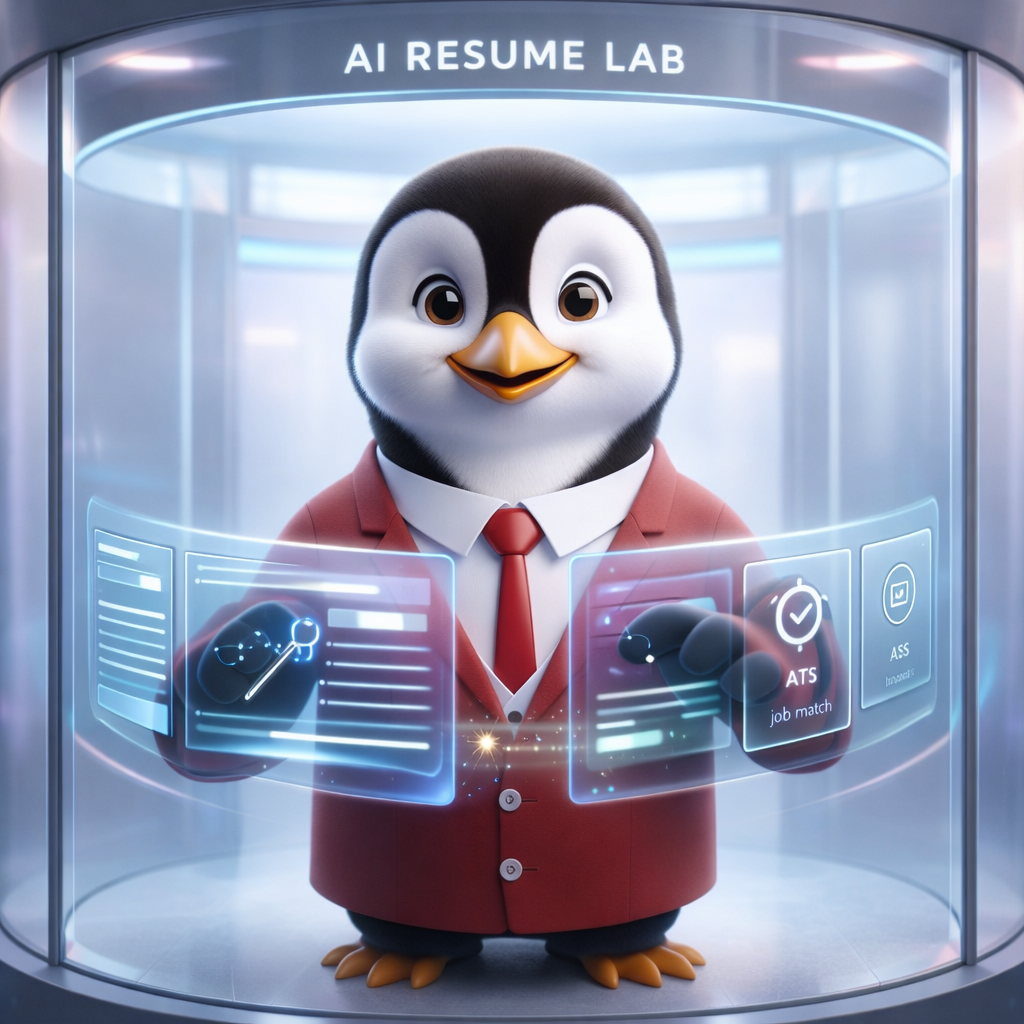
A strong ai resume builder usually helps organize content into a clean flow. For instance, summaries become more focused, skills become easier to spot, and work history becomes more consistent. Consequently, the resume feels more polished even before the details are read.
AI makes tailoring faster and more realistic
One resume rarely fits every role. Still, many job seekers apply with the same version everywhere because tailoring takes too long.
AI tools reduce that friction. When a job title or role type is entered, suggested wording can shift toward what employers expect. Additionally, skills and keywords can be aligned without forcing the resume to sound unnatural.
Therefore, job seekers can apply more strategically. At the same time, they avoid the burnout that comes from rewriting everything manually.
Keyword alignment is becoming part of modern resume writing
Recruiters and hiring systems often search for specific terms. Because of that, keyword alignment plays a bigger role than many people realize.
AI tools help identify missing terms and suggest where they fit naturally. However, the goal is not keyword stuffing. Instead, the goal is relevance. When the right keywords appear in the right places, your resume feels aligned with the role rather than artificially optimized.
Tone and professionalism are improving through AI
Resumes should sound confident, but not arrogant. They should sound professional, but not robotic. Finding that balance can be difficult, especially for freshers and career switchers.
AI tools support tone refinement by improving sentence structure and removing unnecessary filler. Moreover, they help reduce overly casual wording and replace it with a more polished style. As a result, the resume reads better and feels more suitable for hiring managers.
Why “enhancing” is now as important as “building”
Many people already have a resume. What they need is improvement, not a full rebuild.
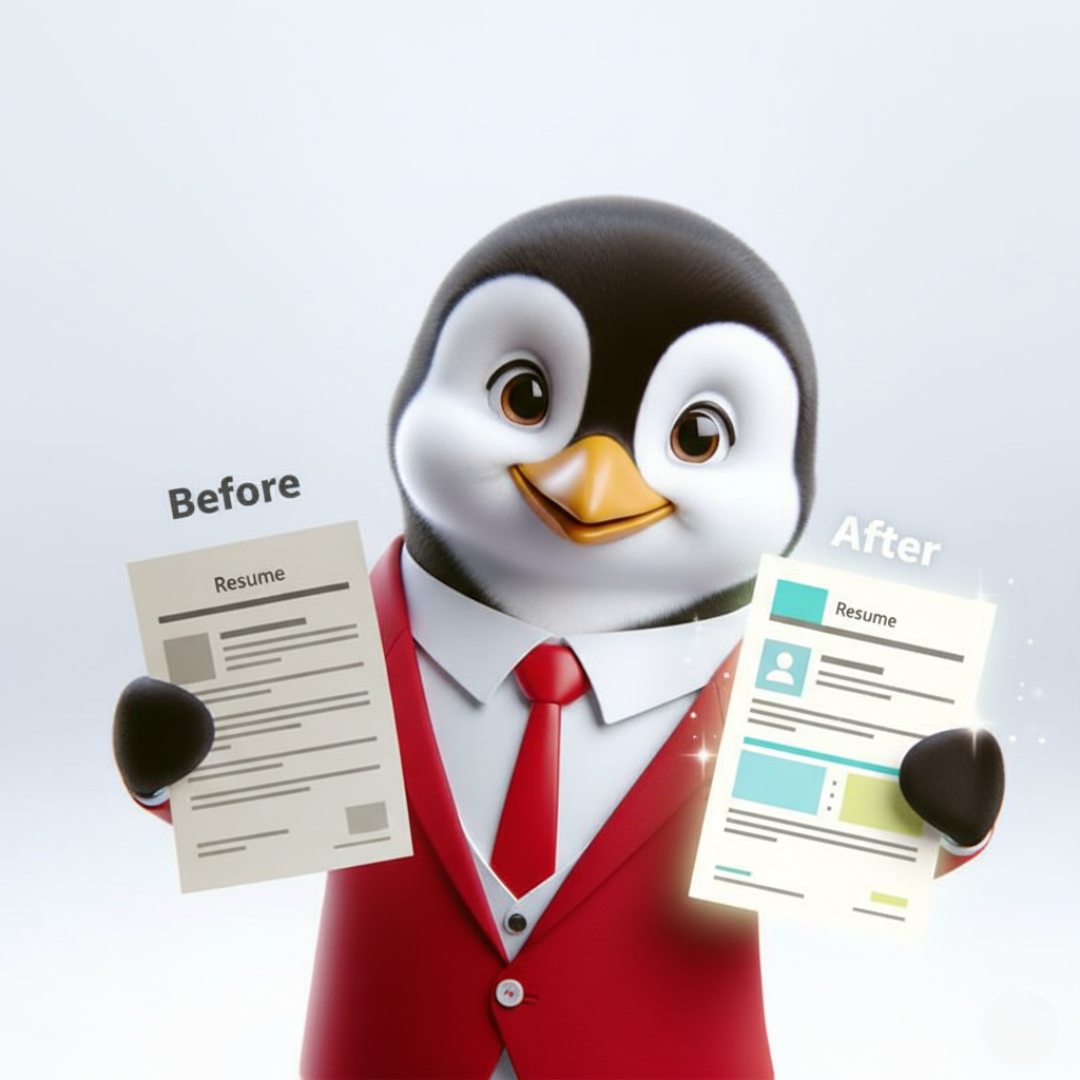
That is where the idea of a cv enhancer becomes useful. Enhancement focuses on making an existing resume stronger by refining wording, improving structure, and sharpening alignment. In other words, it turns a decent resume into a more competitive one.
Because job seekers often apply to different roles, enhancement also supports faster iteration. Instead of recreating the same document, they improve and adapt it.
What AI still cannot do alone
AI is powerful, yet it is not a replacement for honesty or personal context. It cannot invent real achievements, and it should not be used that way. Instead, AI works best when it improves clarity and presentation of real experience.
That is why human input still matters. You still choose what is accurate. You still decide what to highlight. When AI and user intent work together, the resume becomes both authentic and strong.
How to use AI resume tools the right way
AI works best with clear direction. So, rather than letting it write everything randomly, job seekers get better outcomes when they provide context.
For example, you can specify:
-
the role you are targeting
-
the industry you want
-
the kind of work you prefer
-
the strengths you want to highlight
After that, AI suggestions become more relevant. Moreover, small edits can keep your resume sounding like you, not like a template.
The future of resumes looks more personalized and more adaptive
AI is not only changing how resumes are written today. It is also changing what people expect in the future.
Resumes are becoming more adaptive. They are being updated more frequently. They are being customized for roles faster. As a result, job seekers are treating resumes as living documents, not fixed files.
Because hiring will keep evolving, tools that support speed and clarity will keep growing in demand.
Conclusion
AI has changed resume writing by making the process faster, clearer, and more targeted. A modern ai resume builder helps job seekers structure content, improve wording, and tailor applications with less stress. Meanwhile, a strong cv enhancer supports the next step by refining what already exists, making resumes more competitive without starting over.
That is where HRTailor.AI Resume Enhancer fits naturally. It helps job seekers improve existing resumes by sharpening clarity, strengthening structure, and aligning content for specific roles and locations. When resumes are enhanced thoughtfully, confidence rises, and applications feel more purposeful.