
Choosing the Right Resume Builder Based on Your Career Needs

Introduction
Choosing a resume builder sounds simple until you actually try. One tool looks great but feels hard to edit. Another feels easy, yet the final resume looks generic. Meanwhile, job seekers are applying faster than ever, and they cannot afford to waste time testing five platforms before finding the right fit.
Because of that, selecting the right tool should be based on your career needs, not on what looks trendy. A resume is not just a document. It is a message that introduces your value in seconds. So, the builder you choose should support your stage, your goals, and the kind of roles you want.
Why the “best” resume builder depends on your career stage
Many people search for “the best” option as if one tool works for everyone. However, career needs change over time. A student needs clarity and structure. A mid-career professional needs impact and role alignment. A senior candidate needs leadership positioning and clean presentation.
Therefore, the right builder is the one that helps you show the right story quickly. It should feel easy to use, yet it should also produce a resume that looks modern, readable, and professional.
Start with one key question: what do you need most right now?
Before choosing any tool, define your biggest need. That simple step prevents trial-and-error frustration.
For example, you might need:
-
A fast first resume draft
-
Better formatting and readability
-
Easy tailoring for multiple roles
-
Stronger wording for achievements
-
Clean exports for job portals
Once your main goal is clear, selecting a tool becomes much easier. Moreover, you avoid picking something that looks good but does not match your workflow.
If you are a fresher or student, prioritize structure and guidance
Early-career resumes often struggle because experience is limited. Still, a strong resume is possible when structure is used wisely.
A good builder should help you highlight education, projects, internships, and skills without making the page feel empty. Additionally, it should guide you toward clear sections so your strengths do not get buried.
In this stage, a curriculum vitae builder free option can be especially useful because it helps you start quickly without cost. At the same time, the output should still look professional, not unfinished.
If you are mid-career, choose a builder that supports impact
Mid-career candidates usually have experience, yet their resume may read like a job description. This happens because responsibilities are listed without results.
So, your builder should make it easy to rewrite bullets, highlight achievements, and keep sections clean. Moreover, it should allow quick edits because mid-career job searches often involve applying to different role variations.
This is also where a free resume builder can help, as long as it supports customization and doesn’t limit formatting. When flexibility exists, your resume can be tailored without constant redesign.
If you are changing careers, choose flexibility over fancy design
Career changes require storytelling. You need to show how your previous experience connects to a new role. Because of that, a builder must support rearranging sections, rewriting summaries, and highlighting transferable skills.
In addition, you may need space for projects, certifications, or a strong summary. Therefore, avoid tools that force rigid layouts or restrict section order.
A tool can look impressive, yet still be wrong for career switching. Instead, choose one that helps your resume feel intentional and aligned.
If you are senior-level, prioritize clarity and leadership positioning
Senior resumes should look confident, not crowded. While a long career can be impressive, too much detail can reduce clarity.
For this stage, the right builder should support clean spacing, strong headings, and a clear leadership narrative. Moreover, it should make it easy to focus on outcomes, strategy, and ownership rather than listing every task.
A professional layout matters more here because recruiters and decision-makers often scan quickly. Therefore, clarity becomes a competitive advantage.
Why ease of editing matters more than people think
Many job seekers focus on templates first. However, editing experience often decides whether the tool is usable long-term.
A helpful builder should allow:
-
Quick section changes
-
Smooth bullet editing
-
Easy reordering
-
Clean formatting without breaks
When editing feels simple, you make improvements more often. As a result, your resume becomes stronger over time instead of staying stuck as a first draft.
ATS-ready structure should be a basic standard
Even if you are not thinking about ATS systems, many companies use them. Because of that, your resume should be readable for both software and humans.
Choose tools with simple layouts, clear headings, and consistent formatting. Additionally, avoid designs that rely on heavy graphics or complex columns if they reduce readability.
When structure stays clean, your content gets the attention it deserves.
Free vs paid: what matters is the final output
Free tools are popular for a reason. They help people start quickly, and they reduce barriers for job seekers. Yet “free” should still deliver quality.
A curriculum vitae builder free tool can be a great option if the resume looks modern and exports cleanly. Similarly, a free resume builder works well when it allows customization without forcing upgrades for basic features.
So, instead of focusing only on price, focus on outcome. If the final resume looks professional and is easy to tailor, the tool is doing its job.
The smartest approach: build first, then enhance
Even with the right builder, most resumes still need refinement. That is normal. A builder gives you structure, but enhancement improves clarity and strength.
For example, once your base resume is ready, you may want sharper bullet points, more confident tone, and better alignment for a specific role. Therefore, many job seekers use a two-step process: build, then improve.
Conclusion
Choosing the right resume builder is easier when you match the tool to your career needs. A student benefits from guidance and structure. A mid-career professional needs flexibility and impact. A senior candidate needs clarity and leadership positioning. In every case, the best tool is the one that helps you create a resume that feels clean, relevant, and ready to submit.
Once the base resume is built, refinement can make it significantly stronger. That is where HRTailor.AI fits naturally. You can use HRTailor.AI’s Resume Builder to create a professional resume quickly, and then use the HRTailor.AI Resume Enhancer to strengthen structure, polish wording, and align your content for role and location—so your final version feels sharper without starting over.
Claim 10,000 free credits on your first signup on HRTailor.AI.


Frequently Asked Questions
Pick one that supports strong structure, clear sections, and space for projects and skills. A simple layout usually works best.
Yes, if it produces a professional-looking resume and allows clean downloads without formatting issues.
They should prioritize easy editing, strong formatting, and flexibility for tailoring different roles.
Many are, as long as the format is clean and readable. Avoid overly designed templates that reduce clarity.
Not always. Usually, adjusting the summary, skills, and top achievements is enough to tailor effectively.

Job Contract Agreement Explained With Key Clauses and Examples
Job Contract Agreement Explained With Key Clauses and Examples Introduction...
Read More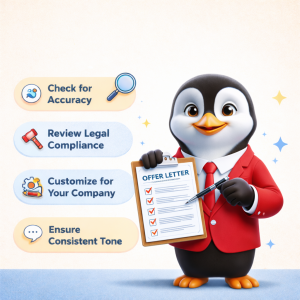
What HR Teams Should Check Before Using a Sample Offer Letter
What HR Teams Should Check Before Using a Sample Offer...
Read More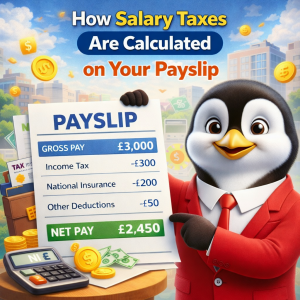
How Salary Taxes Are Calculated on Your Payslip
Your pay slip can look like a mini...
Read More
End of Employment Letters: Resignation, Termination, and Closure Explained
End of Employment Letters: Resignation, Termination, and Closure Explained Introduction...
Read More