Job applications look simple on the surface: upload a resume, click apply, and wait. Yet behind the scenes, it’s rarely that smooth. Recruiters scan fast. ATS tools filter faster. And candidates are often applying to multiple roles at once, hoping something lands.
That’s why resume makers remain a practical advantage. Not because they magically “get you hired,” but because they remove the friction that slows most applicants down. They help people present their experience clearly, tailor faster, and avoid mistakes that quietly reduce interview chances.
Let’s look at what these tools actually help with during job applications—without the hype.
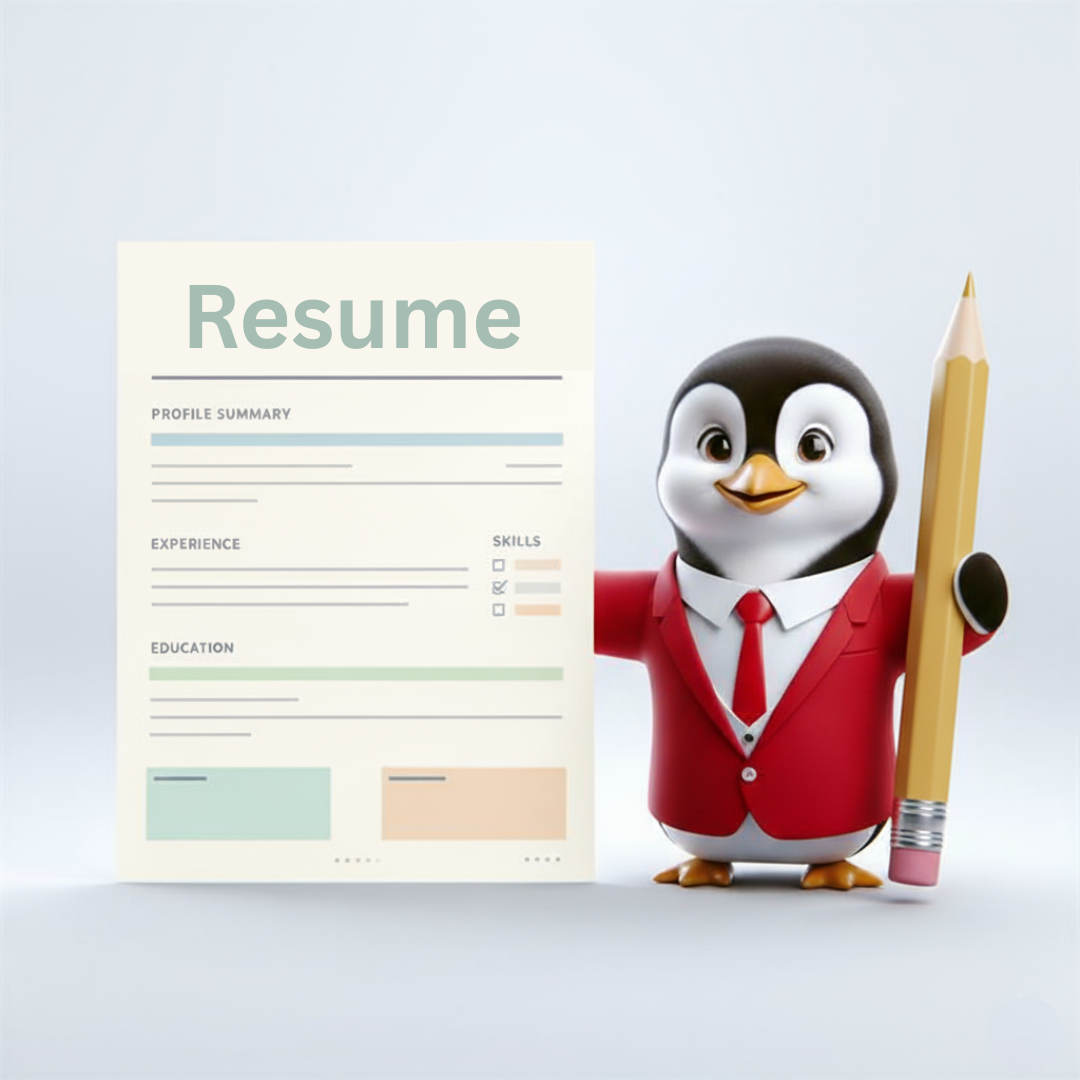
A resume is scanned, not read— so structure matters
In most hiring flows, your resume gets only a few seconds of attention at first. Therefore, clarity is crucial.
A resume maker helps by keeping your content structured:
-
Clean headings that guide the eye
-
Consistent spacing and alignment
-
Easy-to-scan bullet points
-
Clear section order (Summary → Skills → Experience → Education)
As a result, your best strengths show up quickly instead of getting buried in long paragraphs.
It reduces formatting headaches (so you focus on content)
Many candidates waste time fixing layout issues: fonts changing, sections shifting, bullets misaligning, or pages breaking in weird places. Meanwhile, that effort doesn’t improve the message—it just drains energy.
With a resume tool, formatting is handled for you. Templates are built to stay stable, so editing becomes faster and less stressful. Because of that, people spend more time improving what matters: achievements, metrics, and relevance.
It supports ATS-friendly layouts without you thinking about it
ATS systems still play a big role in hiring. If your resume uses heavy graphics, columns that break parsing, or unusual headings, key information can be missed.
Many resume tools are designed to create an ATS-friendly resume by default:
That’s a big benefit, especially for applicants who aren’t sure what ATS expects.
It helps you tailor faster for each job role
A common reason people get rejected is not lack of skill—it’s mismatch. The job description emphasizes one thing, while the resume highlights something else.
A resume builder makes tailoring easier because you can quickly:
-
Swap the headline to match the role
-
Update the summary for that specific job
-
Reorder skills based on the job requirements
-
Replace a few bullets to show the most relevant impact
Importantly, tailoring doesn’t mean rewriting everything. Often, editing the top 30% and the first few experience bullets is enough to feel “role-fit.”
It encourages achievement-based writing (instead of duties)
Recruiters don’t just want to know what you did. They want to know what changed because of your work.
Resume tools often guide users toward stronger bullet points by prompting:
-
Action + result statements
-
Metrics (time saved, revenue increased, accuracy improved)
-
Impact-driven language
-
Cleaner bullet formatting that’s easy to scan
So, instead of “Handled customer calls,” candidates write:
“Resolved 40+ customer queries daily while maintaining high satisfaction scores.”
That shift improves outcomes—and it’s easier to do with the right structure.
It improves consistency across multiple applications
Most job seekers apply to several companies in parallel. Because of that, they end up with multiple versions of their resume. Then mistakes happen:
-
Wrong company name in the file
-
Outdated resume version submitted
-
Different formatting across roles
-
Missing sections in one version
Resume tools reduce this risk by keeping everything organized. You can duplicate versions cleanly, save role-based variations, and export with consistent naming.
In a busy job search, that organization is underrated.
It makes your resume look modern without being “over-designed”
There’s a fine line between modern and messy.
Some resumes look creative but become hard to read. Others look plain and don’t stand out. A good template balances both: professional design that supports readability.
Resume makers help candidates choose layouts that:
-
Look updated and polished
-
Keep sections clean and structured
-
Maintain strong readability on mobile screens
-
Avoid distracting design elements
So, the resume feels trustworthy, not chaotic.
It helps candidates with limited experience present themselves better
Freshers and career switchers often struggle with the same question: What do I even write?
A resume maker helps by giving a clear framework:
Because of that, the resume looks complete and professional—even when experience is still growing.
It saves time during high-volume applying
Many people apply to jobs in waves. Some weeks are quiet, while others are intense. During high-volume applying, speed matters.
Using a resume maker can help you:
-
Create versions quickly for different roles
-
Update new achievements in minutes
-
Export cleanly without layout breaks
-
Stay ready for “apply now” opportunities
In other words, it supports consistency when motivation and time are limited.
Use HRTailor.AI Resume Builder for faster, cleaner job applications
If you want to build a professional resume without wasting time on formatting, Try HRTailor.AI – Resume Builder. It helps you create clean, structured, role-ready resumes that stay readable and ATS-friendly—so you can apply with more confidence and less stress.