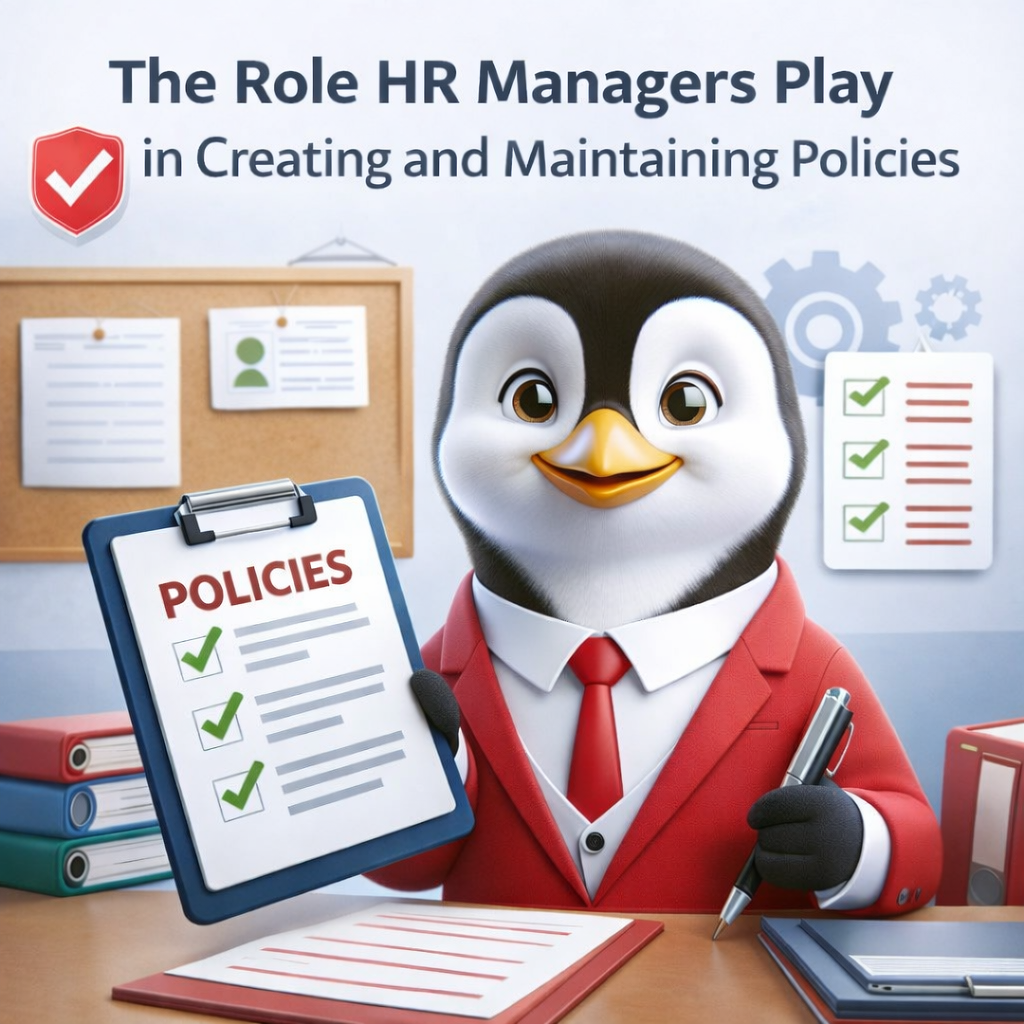
The Role HR Managers Play in Creating and Maintaining Policies
Every organisation has rules. Yet not every organisation has clarity. The difference lies not in the number of policies, but in how they are created, communicated, and maintained. At the centre of this responsibility stands the HR manager — often quietly shaping the workplace experience for every employee.
HR managers are not just policy writers. They are listeners, interpreters, and protectors of balance. Every policy they create affects real people, real careers, and real emotions. That responsibility carries weight, even when it goes unnoticed.
To understand the role HR managers play, we must first understand what policies truly represent.
Policies Are Not Restrictions — They Are Reassurance
Policies are often misunderstood. Many employees see them as rules meant to control behaviour. In reality, policies exist to protect fairness, consistency, and dignity at work. When designed well, they reduce confusion and prevent conflict before it begins.
This is where hr manager policies begin their real purpose. HR managers translate laws, organisational values, and operational realities into clear guidance that employees can rely on. Without this translation, workplaces become vulnerable to misunderstanding and unequal treatment.
Government labour frameworks across countries expect employers to clearly define working conditions, disciplinary procedures, and employee rights. HR managers ensure these expectations are met in a way employees can understand and trust.
How HR Managers Shape Workplace Culture Through Policy
Culture is not built through speeches. It is built through everyday experiences. HR managers influence those experiences by setting standards for behaviour, communication, and accountability.
When policies are thoughtfully written:
-
Employees know what is expected
-
Managers act consistently
-
Decisions feel fair, not personal
Over time, this consistency creates emotional safety. People feel less anxious about making mistakes or asking questions. Trust begins to grow quietly but steadily.
This is why hrd policies matter far beyond compliance. They shape how respected people feel when things go wrong, not just when things go right.
Maintaining HR Policies Over Time
Creating a policy is only the beginning. Maintaining it is where the real work lies. Workplaces evolve. Laws change. Teams grow. HR managers must constantly revisit policies to ensure they remain relevant and fair.
This process requires empathy. A policy that worked five years ago may feel harsh or outdated today. HR managers listen to employee concerns, observe patterns, and adjust policies without compromising legal obligations.
That balance is not easy. Yet it is essential for organisational stability.
Why HR Letters Matter as Much as Policies
Policies set the rules. HR letters bring them to life.
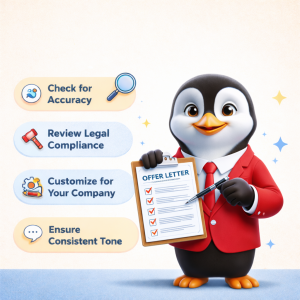
Appointment letters establish expectations from day one. Confirmation letters reinforce belonging. Warning letters correct behaviour while protecting dignity. Each letter reflects how seriously an organisation takes fairness and transparency.
HR managers ensure these letters align with policies so that employees receive consistent messages. When this alignment is missing, trust erodes quickly. Employees feel confused or targeted, even when intentions are good.
Strong hr manager policies supported by clear HR letters create a professional relationship where nothing feels hidden or arbitrary.
Compliance Is a Responsibility, Not a Checkbox
Labour laws expect employers to document employment terms, disciplinary processes, and workplace standards. HR managers carry the responsibility of ensuring these documents meet legal requirements while remaining human in tone.
Mistakes here can be costly. A poorly worded policy or inconsistent letter can lead to disputes, penalties, or damaged reputation. This is why accuracy matters just as much as intent.
HR managers act as the organisation’s safeguard, ensuring compliance does not come at the cost of compassion.
The Hidden Challenge: Manual Policy Creation
Despite the importance of this work, many HR teams still rely on manual drafting. This approach consumes time and increases the risk of errors. Legal updates may be missed. Industry-specific nuances may be ignored. Regional compliance may be overlooked.
Over time, this creates pressure on HR managers who already juggle multiple responsibilities. The emotional toll is real, even if rarely acknowledged.
This challenge becomes even more complex when organisations operate across states or countries, each with different requirements.
A Smarter Way Forward for HR Teams
Modern HR teams need tools that support accuracy without sacrificing empathy. This is where technology becomes an ally, not a replacement.
AI-based HR platforms now allow HR managers to generate structured HR policies and HR letters using simple inputs. Documents can be tailored industry-wise, state-wise, and country-specific, ensuring relevance and compliance without repetitive manual work.
This shift allows HR managers to focus less on formatting and more on people.
It also ensures hrd policies remain consistent, updated, and aligned with organisational values.
Conclusion: Where Structure Meets Care
HR managers stand at a unique crossroads. They protect the organisation while advocating for employees. They enforce rules while preserving trust. Policies are the tools they use to maintain this balance.
When policies are clear, employees feel safe. When communication is consistent, workplaces feel fair. And when systems support HR managers, organisations grow stronger from the inside out.
At HRTailor.AI, we support HR professionals and employers by simplifying the creation of HR Policies and HR Letters through AI-driven solutions. With minimal inputs, users can generate accurate, industry-specific, state-wise, and country-compliant documents that bring structure, clarity, and stability to modern workplaces.
Because when HR managers are supported, everyone benefits.