How Job Descriptions Shape First Impressions
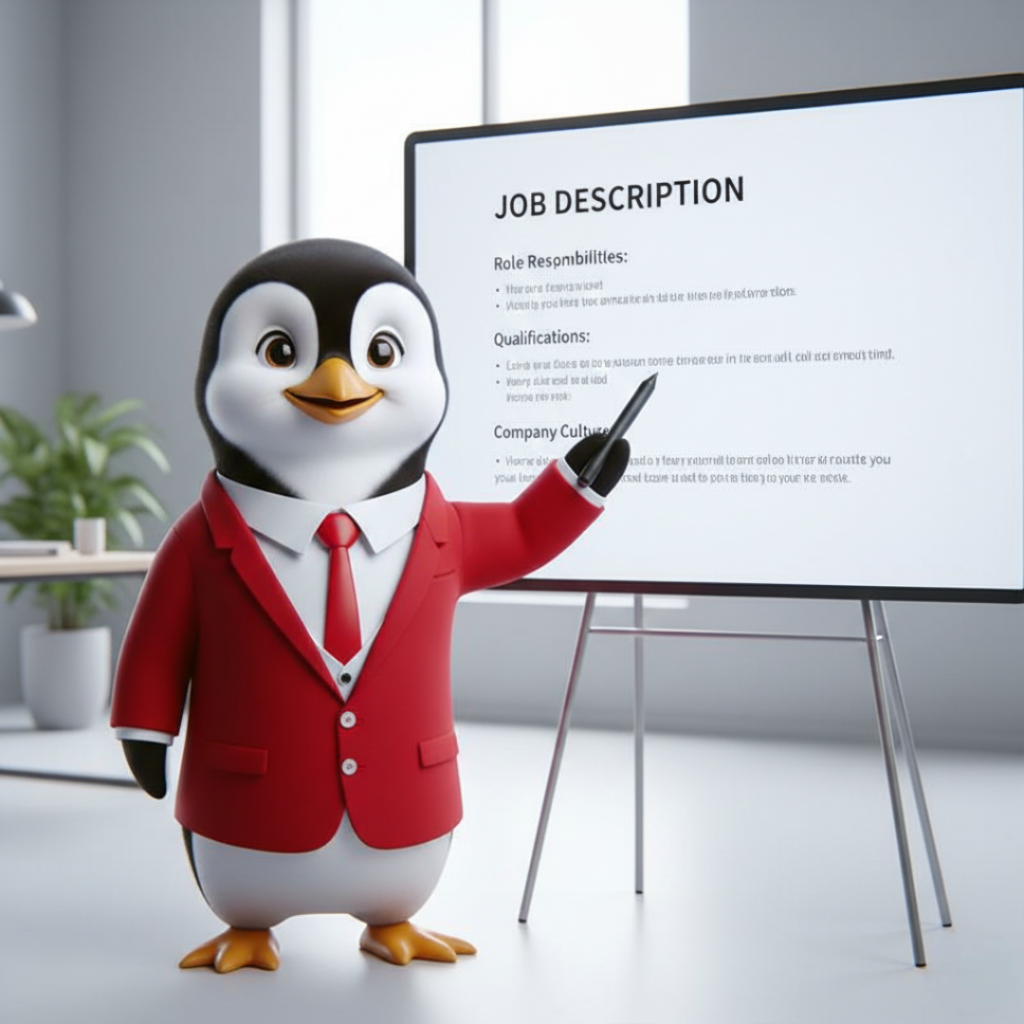
First impressions are formed quickly. When job descriptions are well-organized, candidates immediately sense professionalism and intention.
Clear structure helps applicants understand expectations without confusion. At the same time, it supports early alignment between HR teams and hiring managers. As a result, conversations become more focused before the role is even published.
Consistency across job descriptions also reinforces trust. Candidates notice when roles are communicated with care and precision.
Core Elements Every Employee Job Description Should Cover
Start With the “Why” Behind the Role
A strong opening explains why the role exists and how it contributes to the broader team or organization.
This context helps candidates connect their work to outcomes, not just tasks. Clear, concise language works best to set the tone.
Organizing Responsibilities Without Overcomplicating Them
Responsibilities should be grouped logically rather than listed endlessly.
When duties are organized by themes or outcomes, the role becomes easier to understand. It also allows HR teams to adjust emphasis as business needs evolve.
Defining Capabilities Without Overqualifying the Role
Effective templates encourage clarity around essential skills while avoiding unnecessary barriers.
Instead of rigid checklists, focus on core capabilities and practical experience. This approach supports realistic hiring and broader candidate engagement.
Explaining How the Role Actually Operates Day to Day
Candidates want to know how work gets done.
Details about collaboration, autonomy, communication style, or pace help applicants evaluate fit early. Consequently, expectations are better aligned on both sides.
Showing What Success and Progress Look Like
Growth matters. Including signals around development, learning, or progression shows that the role is designed with the future in mind.
Even brief mentions can make a meaningful difference in candidate interest.
Common Pitfalls That Reduce Job Description Clarity
Adding Too Much Information
When templates try to cover everything, clarity suffers. Overloaded sections dilute key messages.
A focused template guides attention rather than overwhelming it.
Using Language That Lacks Meaning
Generic phrases often create confusion. Candidates interpret them differently, which leads to mismatched expectations.
Specific, direct language always performs better.
Setting Unrealistic Expectations
Overstated requirements discourage capable candidates. Templates should help HR teams prioritize what truly matters for success.
Clear expectations support better self-selection.
Forgetting About Tone and Context
Structure alone isn’t enough. Tone should align with company culture and communication style.
Templates should support consistency while allowing a human voice to come through.
Where Templates Help—and Where Human Judgment Matters More
Supporting Professional Decision-Making
Templates don’t write job descriptions—people do.
They simply ensure that important areas are considered every time, allowing HR teams to apply their judgment efficiently and consistently.
Improving Collaboration Across Teams
Shared structure makes collaboration smoother. Hiring managers and HR teams can focus on refining content instead of debating format.
As a result, feedback becomes clearer and more productive.
Maintaining Quality as Hiring Expands
As hiring volume increases, maintaining clarity becomes more challenging. Templates help preserve quality without increasing workload.
They act as reference points, not rigid rules.
Adapting Job Descriptions as Roles Evolve
Roles rarely stay static. Templates should evolve alongside changing responsibilities and priorities.
Regular reviews help keep job descriptions accurate and relevant. Small adjustments often prevent larger misalignment later.
Why Clear Job Descriptions Still Decide Hiring Outcomes
Hiring today is built on transparency. Candidates want clarity before they apply.
A thoughtfully designed Employee Job Description Template supports this need while respecting HR expertise. When structure and insight work together, hiring decisions become more effective and sustainable.
Final Thoughts
Clear hiring begins with clear communication. Job description templates, when used thoughtfully, support clarity while leaving room for professional judgment.
With the HRTailor.AI Job Description Maker, HR teams can create and refine job descriptions efficiently—using structured templates while keeping context, expertise, and intent at the center.
Strong roles are built on clear foundations.