Introduction
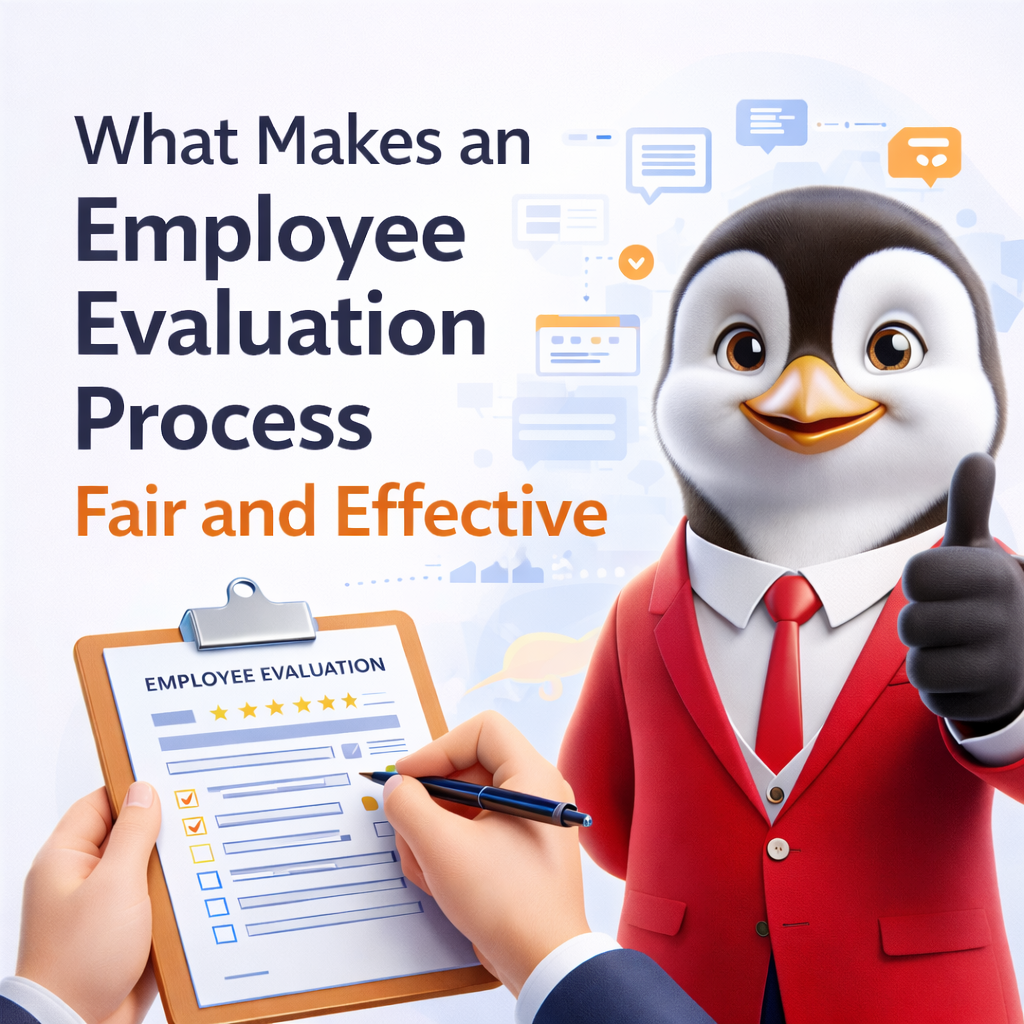
Employee evaluations shape more than performance outcomes. They influence trust, motivation, and how employees perceive fairness at work. When handled well, evaluations bring clarity and confidence. When handled poorly, they create doubt and disengagement.
A fair and effective employee evaluation process does not rely on opinion or memory. Instead, it is built on structure, transparency, and consistency. Employees need to understand how they are evaluated, while managers need reliable tools to guide decisions.
So, what truly defines a fair and effective evaluation process?
Fairness Begins With Clearly Defined Criteria
An evaluation process cannot be fair if expectations are unclear.
Employees should know in advance what will be assessed and how success will be measured. When evaluation criteria are clearly defined, feedback feels objective rather than personal. This clarity helps employees focus their efforts and reduces misunderstandings.
Clear criteria also support managers. Decisions become easier to explain when expectations are documented and shared early. This is where structured employee evaluation forms provide value by outlining role-specific and measurable standards upfront.
Consistency Builds Trust Across Teams
Consistency is one of the strongest indicators of fairness.
When evaluation standards differ across teams or managers, trust weakens quickly. Employees begin comparing processes instead of focusing on performance.
A consistent evaluation process ensures:
-
Similar roles are assessed using comparable benchmarks
-
Feedback follows a standard structure
-
Outcomes are supported by documentation
Consistency does not eliminate flexibility. Instead, it ensures flexibility is applied responsibly and fairly.
Objectivity Reduces Bias in Performance Discussions
Bias often enters evaluations unintentionally.
Recency bias, personal preferences, or isolated incidents can influence judgment if performance is not tracked consistently. A fair process relies on observable outcomes and documented behavior over time.
Objectivity improves when evaluations focus on results rather than impressions. Structured employee evaluation forms help anchor discussions to predefined criteria, reducing the impact of subjective bias.
Goal Alignment Strengthens Evaluation Outcomes
An evaluation process is only effective when it aligns performance with goals.
When KRAs and KPIs are clearly defined, evaluations become more focused and measurable. Employees understand what outcomes matter most, and managers gain clarity on how to assess impact.
Using a dedicated KRA/KPI generator tool helps teams define meaningful goals early, making evaluations more consistent and less interpretive later in the cycle.
Regular Feedback Improves Effectiveness
Evaluations work best when feedback is not limited to a single event.
Ongoing feedback allows employees to adjust their approach before issues escalate. Formal evaluations then become summaries of known discussions rather than unexpected judgments.
This approach improves effectiveness by creating continuity between daily performance and review outcomes. Employees feel supported, and managers address concerns proactively.
Structure Ensures Fair and Reliable Evaluations
Good intentions alone do not ensure fairness. Structure does.
A structured evaluation process guides managers through consistent discussions while ensuring key areas are not overlooked. It also creates predictability for employees.
Using employee evaluation forms helps standardize reviews without making them rigid. For organizations looking to simplify this further, tools like HRTailor.AI help managers create structured, compliant evaluations while maintaining consistency across teams.
Transparency Builds Confidence in the Process
Transparency is essential for trust.
Employees should understand how evaluations are conducted, how ratings are determined, and how feedback connects to growth opportunities. When the process is transparent, even difficult feedback feels fairer.
Clear documentation within employee evaluation forms supports transparency by capturing expectations, feedback, and outcomes in one place.
Two-Way Conversations Improve Fairness
Evaluations should never be one-sided.
Employees bring valuable context about challenges, constraints, and achievements that may not always be visible. A fair process allows space for self-reflection and discussion.
Two-way conversations lead to more balanced evaluations and help managers make better-informed decisions. This dialogue strengthens alignment and mutual respect.
Development Must Be Part of the Evaluation
An evaluation focused only on ratings misses its purpose.
Effective evaluation processes include discussions about skills, learning needs, and future growth. Employees are more engaged when evaluations highlight development opportunities rather than just gaps.
When growth is addressed consistently, performance improvement feels achievable rather than intimidating.
Documentation Protects Fairness Over Time
Fairness becomes easier to maintain when records are clear.
Documented evaluations help track progress across review cycles and provide continuity during promotions, role changes, or performance concerns. Decisions feel justified rather than arbitrary.
Documentation should support clarity, not bureaucracy.
Manager Capability Shapes Evaluation Quality
Even well-designed processes depend on execution.
Managers need training to deliver feedback objectively and respectfully. Strong evaluator skills help prevent bias, encourage clarity, and improve employee trust.
When managers are confident evaluators, the process feels credible and effective.
Conclusion: Fairness and Effectiveness Go Hand in Hand
A fair employee evaluation process is not built overnight. It requires clear criteria, consistent structure, open communication, and thoughtful documentation.
When evaluations are objective, transparent, and development-focused, employees trust the process. Managers gain confidence in decision-making. Alignment improves naturally.
By combining structured employee evaluation forms, clear goal-setting practices, and supportive tools, organizations can build evaluation processes that are both fair and effective—supporting performance today and growth tomorrow.