Introduction
Performance challenges rarely come from a lack of effort. More often, they develop when expectations are unclear, feedback is delayed, or priorities change without discussion. Over time, even capable teams can drift out of sync.
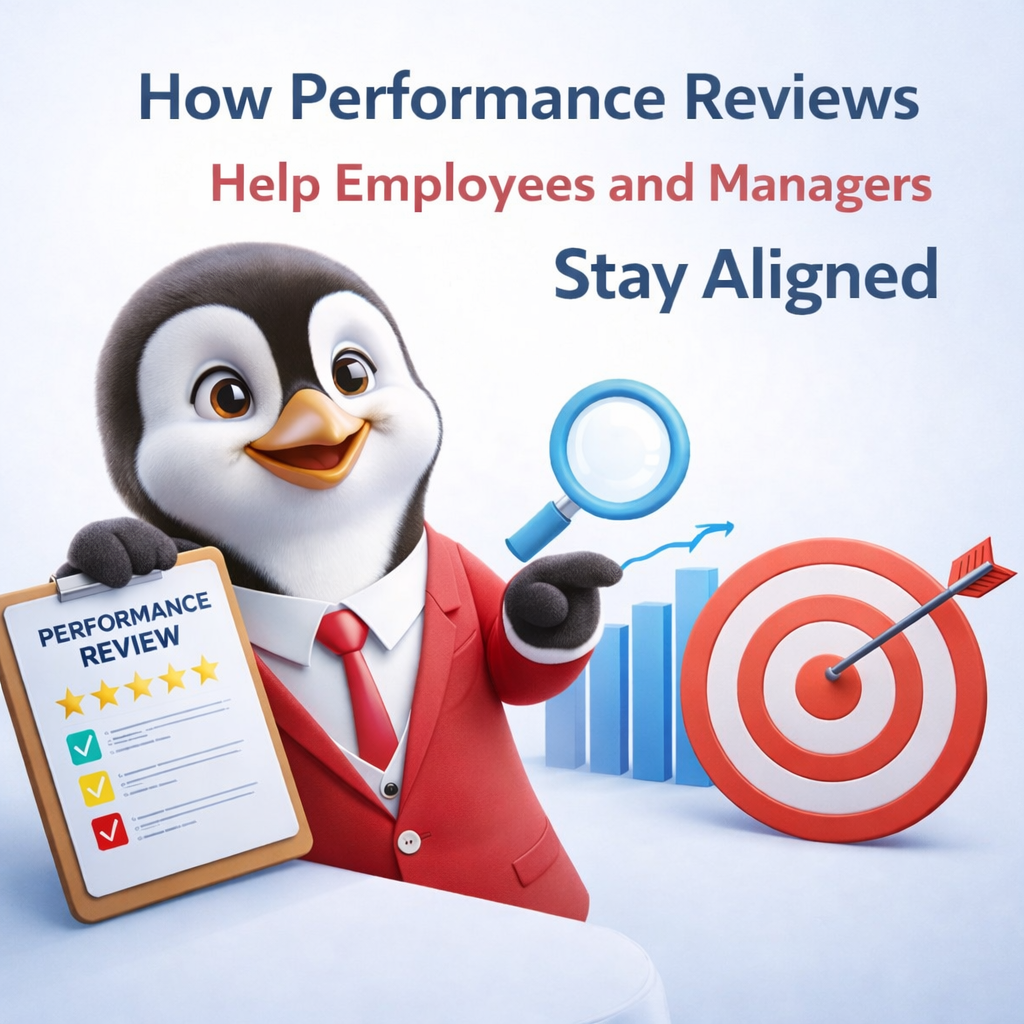
Performance reviews play a critical role in preventing this misalignment. When approached thoughtfully, they bring structure to conversations, clarify expectations, and help employees and managers stay aligned on goals and outcomes. Rather than being formal check-ins, they become tools for continuous clarity and growth.
The Importance of Alignment in a Changing Workplace
Workplaces today are constantly evolving. Teams operate across locations, roles expand, and business priorities shift faster than ever.
In such environments, misalignment can happen quietly. Employees may feel confident about their contributions, while managers may expect different results. Without structured conversations, these gaps often remain unnoticed until performance issues surface.
Performance reviews provide a consistent opportunity to reset expectations and ensure everyone remains aligned with current priorities.
Establishing Clarity Through Structured Review Conversations
Alignment begins with shared understanding. Performance reviews create a structured space for that understanding to develop.
These conversations allow responsibilities, outcomes, and expectations to be revisited regularly. Achievements are acknowledged, while challenges are discussed with context rather than assumptions.
This is why many organizations rely on performance review templates. A consistent framework ensures that key areas such as performance, collaboration, and skill development are reviewed objectively, reducing ambiguity and bias.
Aligning Individual Goals With Organizational Priorities
Goals lose impact when they are unclear or outdated. Performance reviews help reconnect individual objectives with broader organizational priorities.
During reviews, goals are evaluated and refined. Employees gain clarity on what success looks like, while managers ensure expectations remain realistic and relevant.
Alignment improves further when KRAs and KPIs are clearly defined. Using a dedicated KRA/KPI tool helps teams track progress consistently and maintain transparency across review cycles.
Delivering Feedback With Consistency and Purpose
Feedback is most effective when it is timely and expected.
Performance reviews create a structured environment where feedback can be shared constructively. Strengths are reinforced, and improvement areas are addressed before they grow into larger issues.
Because feedback is part of a planned process, it feels balanced rather than reactive. Over time, this consistency builds confidence and encourages open dialogue between employees and managers.
The Role of Structure in Ensuring Fair and Effective Reviews
Intent alone does not lead to effective reviews. Structure does.
Using performance review templates helps standardize evaluation while maintaining fairness across teams. Managers benefit from clearer preparation, and employees know what to expect from review discussions.
For teams looking to simplify this process further, tools like HRTailor.AI support structured performance reviews by helping managers create clear, consistent evaluations without starting from scratch.
The Strategic Value of Early-Stage Performance Reviews
Alignment should begin early in the employee lifecycle.
Early reviews, particularly within the first few months, help confirm role clarity and expectations. This is where the 90 day performance review template proves especially useful.
At this stage, employees receive timely direction, while managers gain early insight into performance trends. Addressing gaps early strengthens alignment and prevents long-term challenges.
Building Trust Through Consistent Review Practices
Trust develops through predictability and transparency.
When performance reviews follow a consistent structure and schedule, employees perceive the process as fair and objective. Managers benefit from documented expectations and clearer accountability.
Over time, trust strengthens, making conversations more open and productive.
Strengthening Engagement Through Performance Alignment
Employees are more engaged when they understand how their work contributes to larger goals.
Performance reviews connect individual contributions to team and organizational outcomes. Progress is reviewed, achievements are recognized, and challenges are addressed collaboratively.
This clarity improves motivation and reinforces a sense of purpose.
Supporting Long-Term Growth Through Review Conversations
Performance reviews are not limited to evaluating outcomes. They also support long-term development.
Review discussions help identify skill gaps, learning needs, and career aspirations. A structured performance review template ensures that development remains a consistent part of these conversations.
When growth is addressed regularly, alignment extends beyond short-term performance.
Reducing Conflict and Attrition Through Clear Expectations
Many workplace conflicts arise from unclear or undocumented expectations.
Regular performance reviews reduce misunderstandings by clearly recording goals, feedback, and progress. Performance discussions feel fair rather than personal, lowering frustration and disengagement.
As a result, retention improves and teams operate with greater confidence.
Implementing Performance Reviews That Drive Alignment
For performance reviews to remain effective:
-
Consistency must be maintained
-
Conversations should remain two-way
-
Documentation should be clear and accessible
Using a 90 day performance review template early on, followed by regular review cycles, helps embed alignment into everyday operations rather than treating it as a corrective measure.
Conclusion: Alignment Is a Continuous Process
Alignment does not happen automatically. It is built through regular conversation, clear expectations, and structured review practices.
Performance reviews provide the framework needed to keep employees and managers aligned, focused, and moving forward together. When supported by the right tools and consistent processes, they become a strategic asset rather than an administrative task.