
How HR Can Issue Recommendation Letters Fairly
Introduction
Recommendation letters look simple, but they can become sensitive fast. One employee may ask for a strong reference, while another gets a short and neutral note. If the process feels inconsistent, trust drops quickly.
This challenge is common in startups and SMEs. Leaders are busy, managers change frequently, and documentation often depends on who has time to write. As a result, HR may struggle to keep references fair, factual, and consistent.
A clear approach solves this. It helps HR support employees while protecting the company from avoidable risk.
Fairness starts with one rule: treat letters like official HR records
A recommendation letter is not a casual favour. It is a formal document that can influence hiring decisions, education admissions, and even visa outcomes.
Therefore, HR should manage these requests with the same discipline used for offers, confirmations, or exit letters. That does not mean being rigid. Instead, it means being consistent.
Decide what “fair” means for your company
Fair does not always mean “same length for everyone.” It means the same rules apply to everyone.
Define your baseline:
- who is eligible to request a letter (active employees, ex-employees, interns)
- what HR will confirm (role, dates, reporting relationship)
- what is optional (strengths, examples, performance highlights)
- when the company issues only a neutral reference
Once this is set, HR can respond with clarity instead of ad-hoc decisions.
Build a simple intake process so requests don’t turn into back-and-forth
Most delays happen because HR receives incomplete inputs. So, collect details upfront.
Ask for:
- purpose of the letter (job, education, immigration, verification)
- the recipient type (company, university, “To Whom It May Concern”)
- timeline and deadline
- who should sign (manager, department head, HR)
- key achievements the employee wants considered (optional)
This keeps the process structured. Also, it reduces repeated follow-ups.
Verify facts before you write anything
Fair letters must be accurate. Even small mistakes can create reputational or legal issues later.
Confirm:
- employment dates and last held title
- reporting relationship (did the signer directly manage the employee?)
- location and entity name (especially for multi-entity groups)
- exit status (resigned, contract ended, currently employed)
If records differ across systems, resolve that first. Then draft.
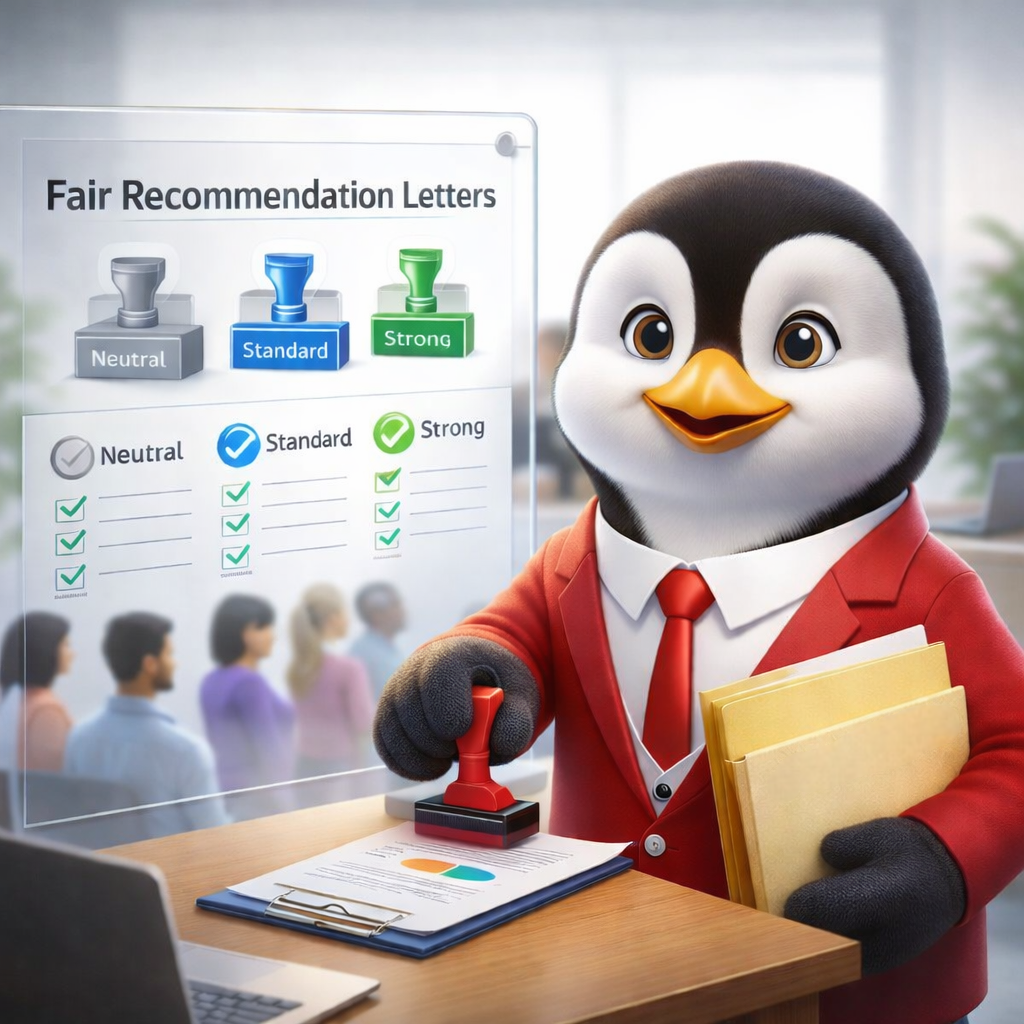
Use consistent levels of endorsement (so managers don’t overpromise)
A fair process becomes easier when you define “levels” of recommendation. This also helps new managers.
Example approach:
- Level 1: Neutral confirmation (facts only)
- Level 2: Standard recommendation (facts + 2–3 strengths)
- Level 3: Strong recommendation (facts + strengths + examples/impact)
HR doesn’t need to publish these levels externally. However, using them internally helps ensure the same standards apply across teams.
Keep language objective and evidence-based
The most credible letters use specific behaviours, not vague praise.
Instead of: “Excellent performer and very hardworking,”
Use: “Consistently met deadlines, communicated progress clearly, and handled feedback well.”
A simple method that stays fair:
- strength → short example → outcome
- keep outcomes general if metrics are confidential
- avoid comparing employees to each other
This approach reduces bias. It also makes the letter more believable.
Manage bias risks proactively
Recommendation letters can unintentionally reflect bias—especially when different managers write in different styles.
To keep things fair:
- use a standard structure (opening, context, strengths, closing)
- keep a shared list of “safe” strength phrases
- avoid personal details (age, health, family, religion, caste)
- avoid subjective labels (“aggressive,” “emotional,” “too quiet”)
- focus on work behaviours and role outcomes
This protects employees and the company. It also improves consistency across departments.
Know when to issue a shorter, neutral letter
Fairness also means knowing when a detailed endorsement is not appropriate.
Common situations where a neutral reference works better:
- the manager did not closely work with the employee
- the employee worked for a short time
- performance feedback was mixed and not well documented
- the request is for basic verification purposes
In these cases, HR can still support the employee with a factual note, instead of refusing without explanation.
Set turnaround times and communicate them clearly
Unclear timelines create frustration. So, define simple service levels.
For example:
- neutral confirmation: 1–2 business days
- standard recommendation: 3–5 business days
- strong recommendation: 5–7 business days (may need manager inputs)
Also, tell employees what you need to meet the deadline. This reduces pressure on HR at the last moment.
Where AI-powered workflows help HR issue letters more consistently
Many companies still rely on copy-paste templates for references. However, that leads to errors like wrong names, incorrect dates, and inconsistent formatting.
- Modern AI workflows reduce those issues by turning drafting into a guided process. For example, a letter builder can help teams select the letter category, capture required employee details, and generate a professionally formatted document quickly.
- It also helps multi-location teams, because letters can be tailored to the employment laws of the chosen region, which reduces compliance mismatches across states and countries.
- Finally, it supports faster sharing when documents can be downloaded in PDF and editable Word formats, so teams can send quickly and still make controlled edits when needed.
This is especially useful when HR wants every request handled with the same structure and review steps without rewriting from scratch.
A simple fairness checklist HR can use every time
Before issuing any reference, run this quick check:
- ✅ same eligibility rules applied
- ✅ facts verified (dates, title, manager)
- ✅ purpose and recipient confirmed
- ✅ tone is professional and consistent
- ✅ no sensitive personal information included
- ✅ no exaggerated guarantees or promises
- ✅ final copy stored centrally
When HR uses the same checklist each time, fairness becomes repeatablenot dependent on who is drafting.
Conclusion : One CTA line at the end
A fair recommendation process protects employees and the company at the same time. When HR standardises eligibility, verifies facts, uses consistent language, and sets clear timelines, reference letters become easier to manage and more credible for third-party readers.
HRTailor.AI is one example of a letter document builder that supports this approach by letting teams choose the letter type, enter structured company and employee details, generate documents aligned to the employment laws of the chosen region, and download them in PDF or editable Word, helping minimise delays and documentation errors.
Try HRTailor.AI to create HR letters faster with fewer edits.


Frequently Asked Questions
Usually the direct manager signs, because they can speak to performance. However, HR can coordinate the process, verify facts, and ensure consistent structure and tone.
Use one structure, one intake checklist, and consistent endorsement levels (neutral, standard, strong). Also, verify facts centrally and store issued letters for reference.
Avoid personal details, confidential client information, salary history, and guaranteed claims. Stick to work behaviours and examples you can support.
When the manager did not work closely with the employee, tenure was short, or detailed performance claims are hard to verify. A factual confirmation is often safer and still helpful.
It should include the relationship context, verified employment facts, 2–3 strengths (if appropriate), and a clear closing statement, written in a professional, neutral tone.
Job Contract Agreement Explained With Key Clauses and Examples
Job Contract Agreement Explained With Key Clauses and Examples Introduction...
Read More
What HR Teams Should Check Before Using a Sample Offer Letter
What HR Teams Should Check Before Using a Sample Offer...
Read More
How Salary Taxes Are Calculated on Your Payslip
Your pay slip can look like a mini...
Read More
End of Employment Letters: Resignation, Termination, and Closure Explained
End of Employment Letters: Resignation, Termination, and Closure Explained Introduction...
Read More