Introduction
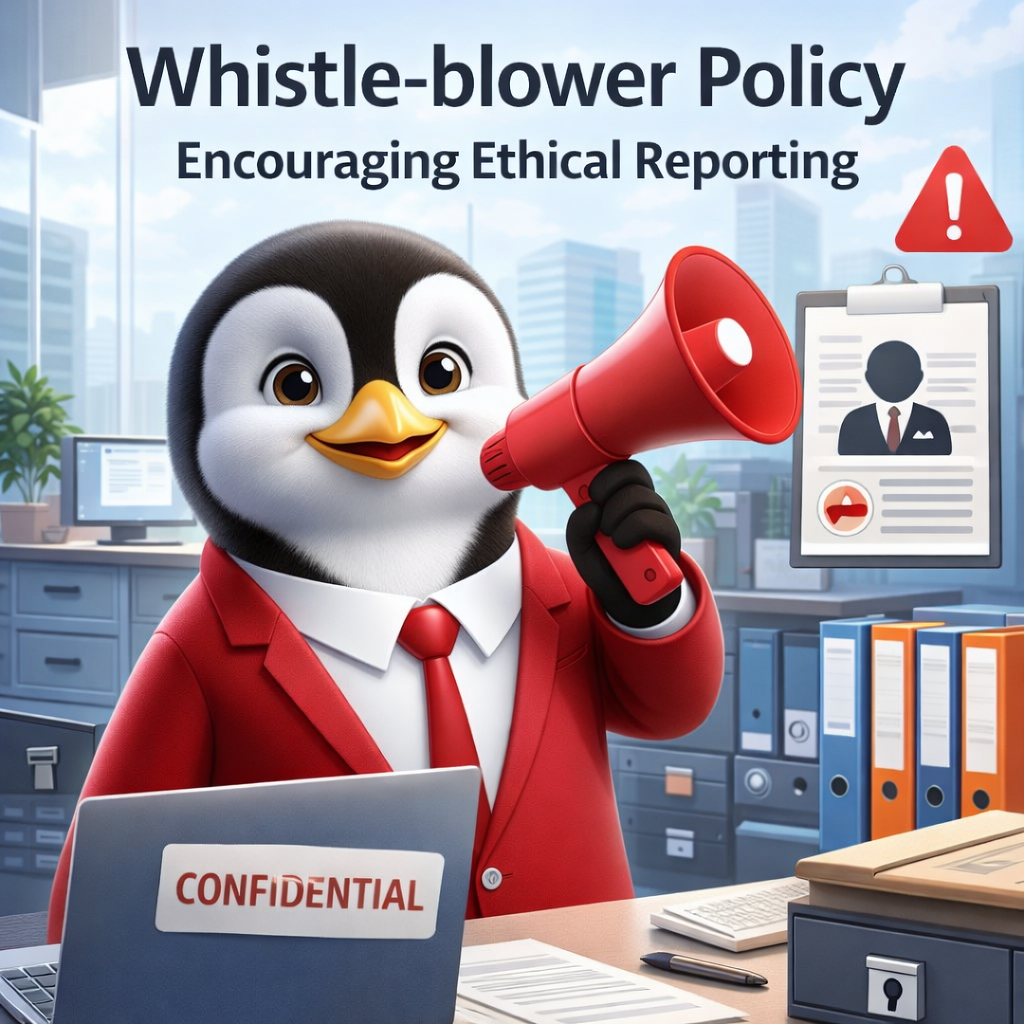
Most workplace problems do not explode overnight. Instead, they grow quietly. A small violation gets ignored. An uncomfortable comment gets brushed aside. A practice feels wrong, yet nobody speaks up because the risk feels heavier than the truth. This silence is exactly what a whistle blower policy aims to break.
At its core, this policy tells employees one simple thing: “If you speak honestly, you will not stand alone.” For employers and HR teams, it also creates a structured way to hear uncomfortable truths before they become legal, financial, or reputational damage.
Understanding Ethical Reporting in Real Terms
Ethical reporting is not about encouraging complaints. Rather, it promotes responsibility. Employees often notice fraud, harassment, data misuse, safety violations, or conflicts of interest first. However, without a defined reporting mechanism, many hesitate. Fear of retaliation is real, and fear of being labelled difficult is even more common.
When organisations clearly explain how employees can raise concerns, who will handle them, and how the organisation will protect confidentiality, reporting becomes safer and more purposeful. In other words, policy stops being paperwork and starts shaping culture.
Why Silence Costs Employers More Than Speaking Up
From an employer’s perspective, ignoring internal reporting systems creates serious risk. In addition, regulators increasingly expect organisations to prevent misconduct actively, not just react to it later.
Government frameworks emphasise secure and confidential reporting channels. They also expect employers to investigate concerns fairly and protect whistle-blowers from victimisation.
If organisations fail to meet these expectations, consequences can include penalties, leadership accountability, and public scrutiny. Therefore, a clear whistle blower policy shows that the organisation takes ethics seriously, even when the truth feels inconvenient.
What Employees Actually Need to Feel Safe Reporting
Employees do not expect perfection. Instead, they expect fairness.
They want to know:
-
What issues qualify for reporting
-
Whether anonymity is allowed
-
How long investigations usually take
-
Whether the organisation strictly prohibits retaliation
-
What happens after someone submits a complaint
When these answers are missing, even well-intentioned employees stay silent. On the other hand, clear documentation helps trust grow over time. Ethical reporting works best when employees feel heard, not hunted.
The Employer’s Responsibility Goes Beyond Receiving Complaints
Accepting a complaint is only the beginning.
Employers must ensure:
-
Investigations remain unbiased and timely
-
Teams share information only on a need-to-know basis
-
HR documents decisions properly
-
Leaders apply corrective actions consistently
If an organisation fails at any of these stages, credibility drops quickly. Over time, employees stop trusting the system, even if the policy exists on paper. That is why alignment between HR policies and HR letters becomes critical.
How HR Letters Support Ethical Reporting
HR letters reinforce policy intentions in practical ways. For example, appointment letters can mention ethical obligations and reporting mechanisms. Similarly, warning letters can address retaliation attempts. In addition, closure letters can confirm investigation outcomes without breaching confidentiality.
Each document strengthens the framework around ethical behaviour. Together, they ensure policy enforcement feels consistent rather than arbitrary or personal. Without this documentation, organisations struggle to prove ethical handling during audits or disputes.
Common Misunderstandings About Whistle-blowing
Many employers worry that encouraging reporting will lead to misuse. In practice, the opposite often happens. Clear rules reduce frivolous complaints. Transparent processes also make malicious intent easier to identify. Furthermore, defined consequences increase accountability on all sides. A well-written whistle blower policy discourages misuse by setting boundaries, not by creating fear.
Compliance Is a Foundation, Not the Finish Line
Legal guidelines focus on protection, confidentiality, and non-retaliation. However, compliance alone does not guarantee trust.
Trust grows when:
-
Managers respond calmly and consistently
-
HR communicates timelines clearly
-
Teams handle outcomes consistently
-
Employees see that ethical action leads to real change
Policy language should reflect this balance. It must sound firm, yet humane—direct, yet reassuring.
Why Policy Drafting Needs Precision
Ethical reporting policies require careful wording. Poor language can create loopholes or raise expectations the organisation cannot meet. Moreover, manually drafting and updating these policies across industries, states, or countries takes time and increases errors. Laws evolve, workforce structures shift, and what worked last year may not meet expectations today. Therefore, structured and adaptable policy creation matters.
Conclusion
Ethical reporting is not about catching people. Instead, it protects integrity. A thoughtfully designed whistle blower policy creates space for honesty, reduces long-term risk, and strengthens organisational credibility. For HR professionals and employers, the real challenge is drafting policies and letters that stay clear, compliant, and adaptable without endless revisions.
HRTailor.AI supports this need by enabling HR teams to generate HR policies and HR letters efficiently using simple inputs. With industry-specific, state-wise, and country-specific customisation, organisations can maintain ethical standards while ensuring consistency and compliance—without unnecessary complexity.