Introduction
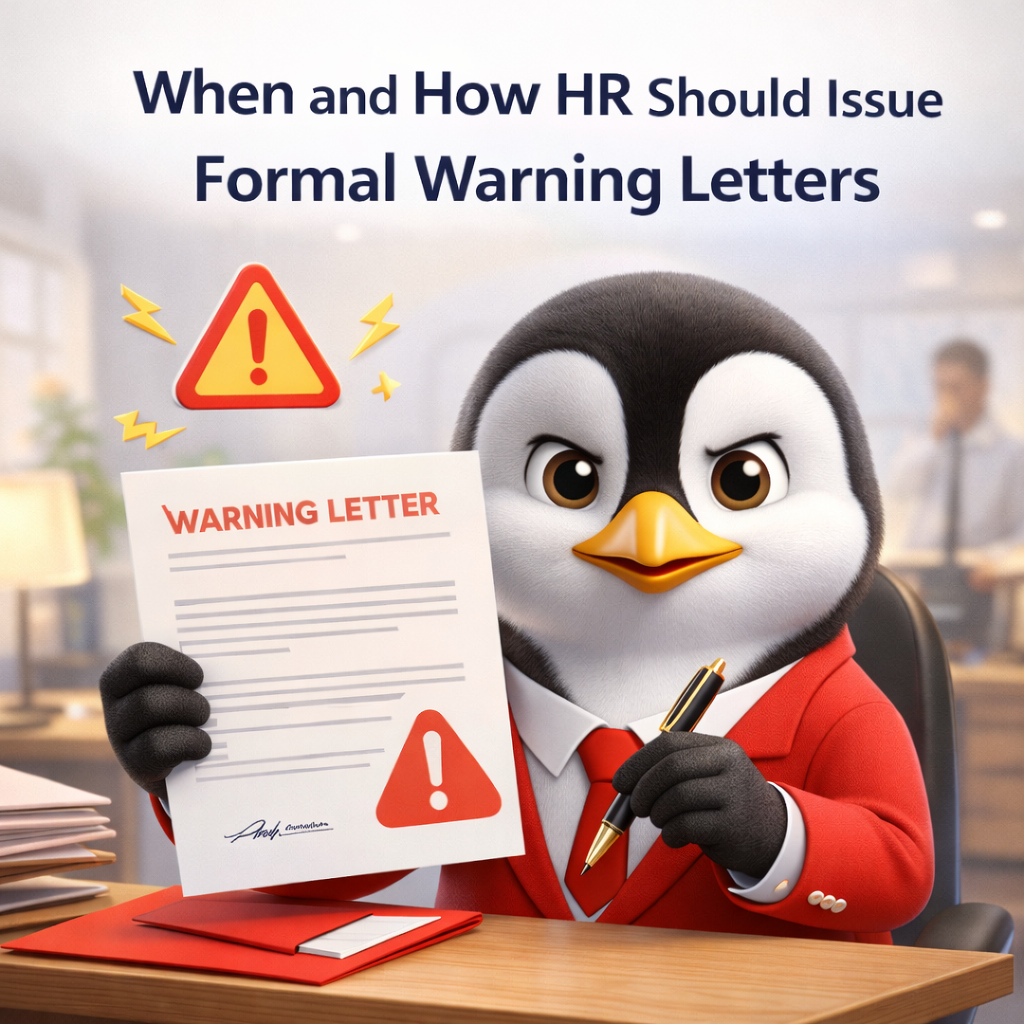
Every organisation eventually faces situations where behaviour, conduct, or discipline must be addressed formally. While many issues can be resolved through conversations, there are moments when documentation becomes necessary. This is where a warning letter to employee for misconduct plays a critical role—not as a threat, but as a structured HR intervention.
For employers and HR teams, knowing when and how to issue such letters is essential for maintaining fairness, consistency, and legal clarity.
Why Formal Warning Letters Still Matter in Modern Workplaces
Today’s workplaces encourage open feedback and continuous communication. However, verbal discussions alone do not always create accountability. When issues repeat or escalate, formal documentation becomes unavoidable.
A properly issued warning letter helps:
-
Establish an official record
-
Reinforce behavioural expectations
-
Demonstrate consistency in HR actions
-
Protect the organisation during disputes
This is why a warning letter to employee for misconduct should be viewed as a corrective tool rather than a punitive one.
Identifying the Right Time to Issue a Warning Letter
Timing is one of HR’s most delicate decisions. Acting too quickly may feel excessive, while waiting too long weakens the message.
HR should consider formal action when:
-
Verbal feedback has not led to improvement
-
Workplace policies are clearly breached
-
Behaviour impacts productivity, safety, or culture
-
Expectations have already been communicated
A warning letter should never come out of the blue. It should reflect a pattern, not a single misunderstanding.
Misconduct and Performance Are Not the Same
One common HR mistake is treating performance gaps and misconduct as interchangeable. They require different responses.
Misconduct usually relates to:
Performance issues often stem from:
-
Skill gaps
-
Workload imbalance
-
Role clarity problems
A warning letter to employee for misconduct should focus strictly on behaviour and policy adherence, not capability or competence.
What a Strong Warning Letter Must Include
An effective warning letter is factual, balanced, and clear. It avoids emotional language and focuses on expectations.
Key elements include:
-
Description of the issue with dates or instances
-
Reference to relevant policies or rules
-
Summary of prior discussions, if any
-
Clear expectations for corrective action
-
A reasonable timeline for improvement
-
Possible consequences of continued misconduct
Clarity reduces confusion and strengthens enforceability.
The Importance of Tone and Language
Even when discipline is required, tone matters. Employees are more likely to respond positively when communication is firm yet respectful.
HR should ensure the letter:
This approach keeps the process professional and defensible.
Documentation: HR’s Safety Net
From an employer’s standpoint, documentation is non-negotiable. Every warning should be properly recorded and acknowledged.
Best practices include:
-
Written confirmation of receipt
-
Secure storage in personnel records
-
Limited access to authorised stakeholders
Many HR teams rely on structured tools like the HRTailor.AI Letter Builder to standardize warning formats and ensure consistency across departments, reducing the risk of bias or procedural gaps.
What Happens After the Warning Is Issued?
A warning letter is not the end of the process—it is the beginning of monitoring and follow-up.
HR should:
-
Schedule review discussions
-
Track improvement objectively
-
Provide support where required
If misconduct continues despite clarity and opportunity, escalation becomes a justified next step rather than a reactive decision.
Common HR Mistakes to Avoid
Even well-intentioned HR teams can weaken their position by:
-
Issuing warnings without prior communication
-
Using vague or emotional language
-
Applying rules inconsistently
-
Skipping follow-ups after issuing the letter
Avoiding these mistakes protects both the organisation and the employee.
Why Warning Letters Promote Fairness
When used correctly, warning letters reinforce fairness rather than fear. They ensure everyone is held to the same standard and that expectations are transparent.
A well-documented warning letter to employee for misconduct helps maintain trust, discipline, and legal safety—without damaging workplace relationships.
Final Thoughts
Formal warning letters are not about control; they are about accountability and clarity. For HR professionals, issuing them correctly strengthens policy enforcement while giving employees a clear chance to improve.
Handled with care, structure, and consistency, warning letters protect the organisation—and support a disciplined, fair workplace culture.