Every workday starts the same way. Employees log in, show up, swipe a card, or open a laptop. However, behind this simple routine sits one of the most sensitive areas of workplace management—how teams track and record time.
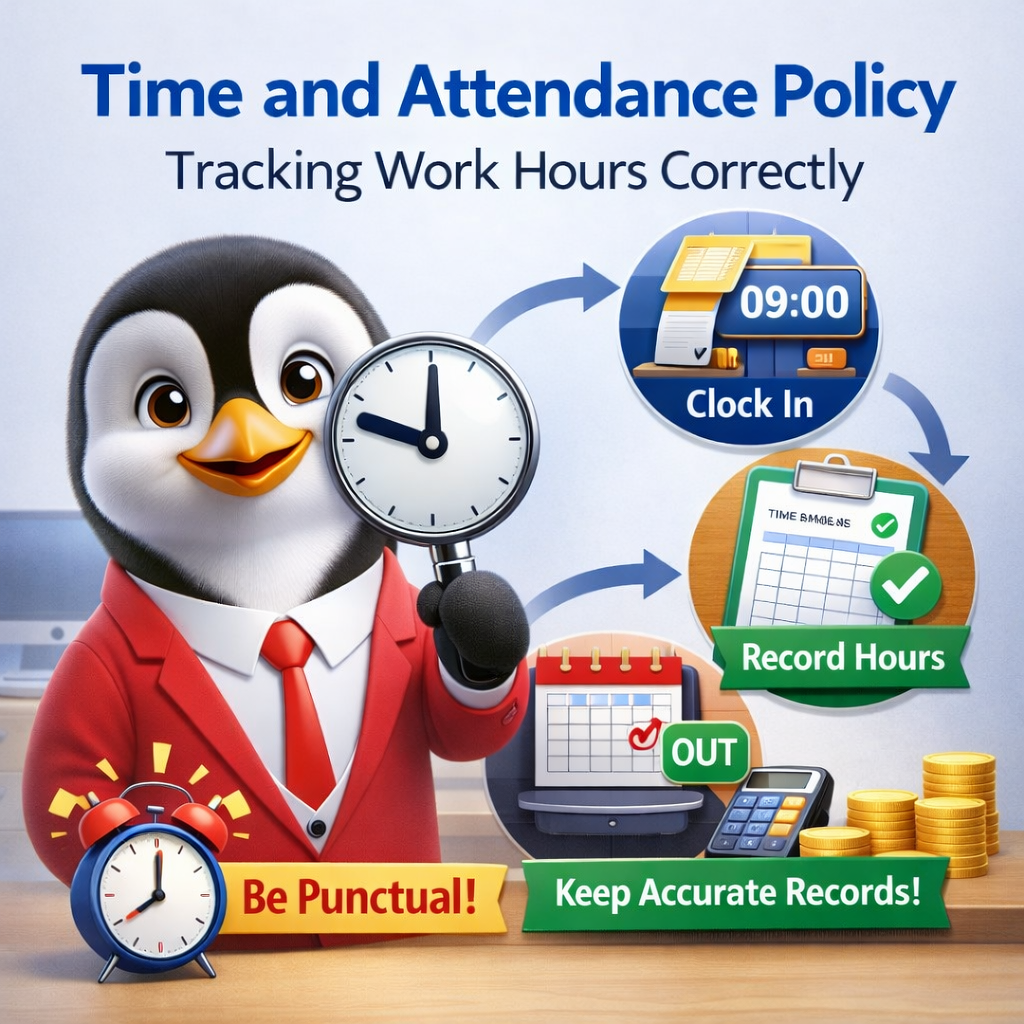
When work hours stay unclear, frustration builds silently. Employees may feel watched or mistrusted, while employers worry about productivity, payroll accuracy, and compliance. As a result, HR must keep things fair, legal, and consistent. That is why a well-defined time and attendance policy is not about control. Instead, it is about clarity.
Why Time Tracking Feels Personal at Work
Time feels personal because it represents effort, energy, and often sacrifice. When employees feel someone questioned or miscounted their time, trust erodes quickly. At the same time, employers rely on accurate attendance data to run payroll, manage shifts, and meet legal obligations.
Without clear rules, small issues grow. For example:
“I stayed late, but it wasn’t counted.”
“Why did you deduct my pay?”
“Does working from home mean flexible hours?”
These questions are not just complaints. Rather, they signal that teams never clearly documented expectations.
What a Good Attendance Framework Actually Covers
Many companies assume attendance policies only cover clock-in and clock-out times. In reality, they cover much more.
A strong framework clearly explains:
-
Working hours and break timings
-
Overtime eligibility and approvals
-
Remote and hybrid work expectations
-
Late arrivals, early departures, and absenteeism
-
Holiday, leave, and compensatory off linkages
When teams write these points in simple language, employees do not need to guess. Likewise, HR does not need to justify every decision, and employers avoid unnecessary disputes. Therefore, a structured time and attendance policy becomes a shared reference point instead of a rulebook used only during conflict.
Compliance Is Not Optional, Even If It Feels Invisible
Labour laws across countries and states clearly define:
Many government labour departments audit attendance records during inspections. Consequently, inconsistent or missing data can lead to penalties, back payments, or legal notices. Even remote employees must follow these requirements. For that reason, attendance documentation becomes more than an internal HR practice—it becomes legal evidence of fair treatment and lawful operations.
Where Most Attendance Disputes Begin
Disputes rarely start with policy violations. Instead, they often start with silence.
Common triggers include:
-
Verbal flexibility that teams never reflect in writing
-
Managers who approve exceptions informally
-
Manual attendance systems that create errors
-
Different rules applied to different teams
Employees do not expect perfection. However, they do expect fairness. When rules change without explanation, people assume bias or negligence. Clear documentation prevents these assumptions from taking root.
Attendance Rules in a Flexible Work World
Modern workplaces no longer stay limited to office walls. Hybrid schedules, remote teams, and flexible hours are now common. Still, flexibility without structure creates chaos.
Therefore, attendance rules should clearly answer:
-
How teams track work hours remotely
-
What counts as productive time
-
How teams define availability
-
When overtime applies
A flexible workplace still needs firm boundaries. As a result, a clearly written time and attendance policy supports flexibility without confusion.
The Role of HR Letters in Attendance Discipline
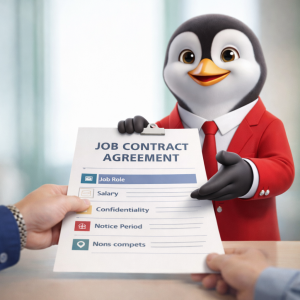
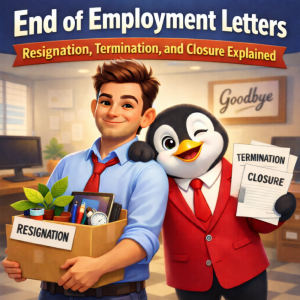
Policies explain the rules, while HR letters enforce them. Appointment letters set expectations from day one. Warning letters address repeated violations. Confirmation letters reinforce accountability. Together, these documents build a transparent employee–employer relationship.
When attendance issues arise, documented communication protects both sides. Moreover, it shows that teams addressed concerns professionally rather than emotionally or selectively.
Why Manual Tracking Creates More Risk Than You Think
Spreadsheets, registers, and manual approvals might work temporarily. However, over time, they create:
-
Calculation errors
-
Data loss
-
Inconsistent records
-
Increased HR workload
These gaps often surface during payroll disputes or audits, when corrections become difficult and costly. Automation does not remove responsibility, but it reduces human error significantly. That is why many organisations now look for smarter ways to create and manage HR policies and letters without starting from scratch each time.
Conclusion
Tracking work hours correctly is not about micromanagement. Instead, it is about respect, fairness, and compliance. A clear time and attendance policy protects employers from disputes, supports HR teams with structure, and reassures employees that the organisation recognises their efforts. When policies stay well-drafted and communication remains consistent, attendance stops becoming a daily friction point and becomes a quiet, reliable system in the background.
Platforms like HRTailor.AI support HR professionals and employers by simplifying the creation of accurate HR policies and HR letters using basic inputs. With industry-wise, state-wise, and country-specific customisation, organisations can maintain clarity and compliance without unnecessary complexity.