Introduction
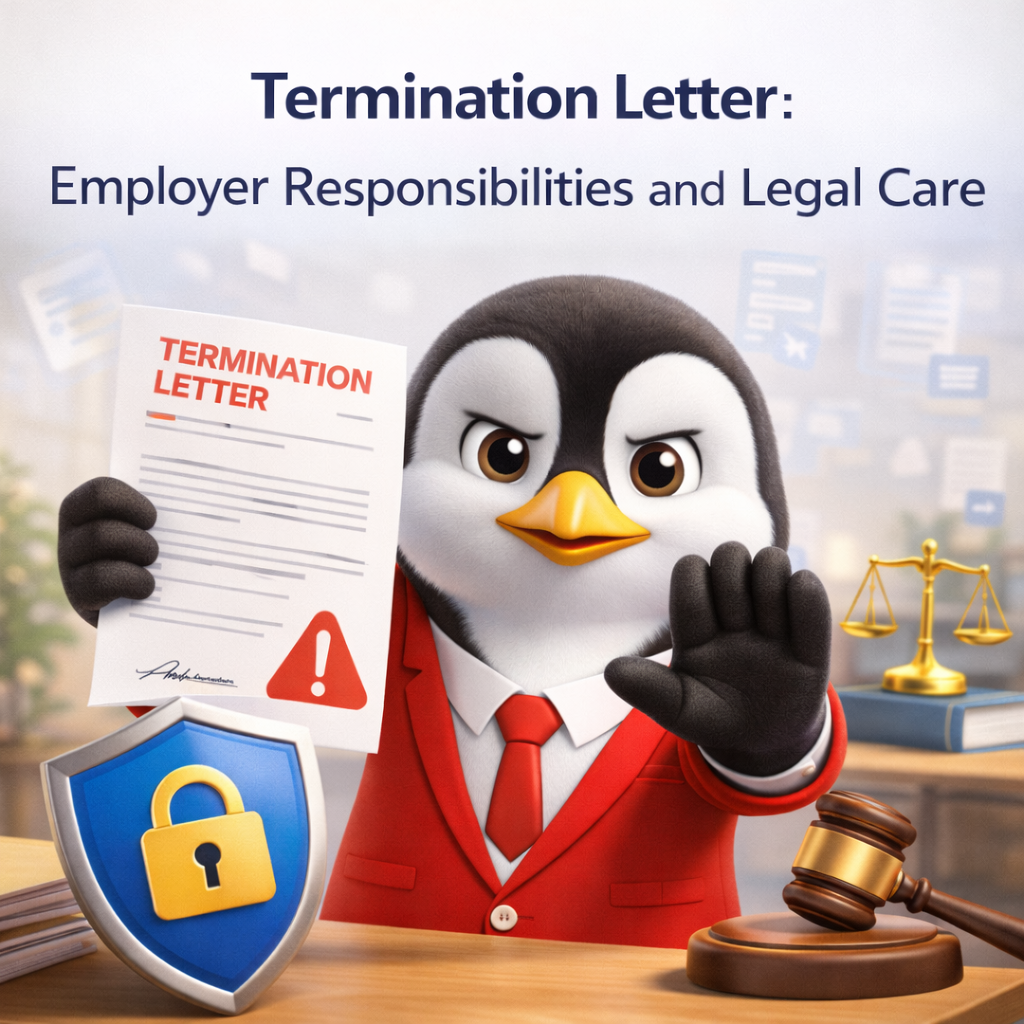
Ending an employment relationship is one of the most sensitive actions an organisation can take. Beyond emotions and difficult conversations, there is a formal responsibility that employers cannot afford to overlook. A termination letter to employee is not just a document—it is a legal record, a communication tool, and a reflection of the company’s professionalism.
For HR leaders and employers, the real challenge lies in balancing clarity, compliance, and dignity, all within a single letter.
Why Termination Letters Demand Extra Caution
Termination decisions are often reviewed long after they are issued—by auditors, legal advisors, or labour authorities. What may seem like a simple exit document can later become a critical reference point.
A well-drafted termination letter helps:
-
Clearly document the end of employment
-
Reduce misunderstandings and disputes
-
Demonstrate fair and lawful employer conduct
-
Protect the organisation during legal scrutiny
This is why a termination letter to employee should never be rushed or treated as a formality.
Employer Responsibility Goes Beyond the Decision
Terminating employment is not only about what decision was made, but how it was communicated.
From an HR standpoint, employers are responsible for ensuring that:
-
The reason for termination is lawful and documented
-
The letter aligns with employment contracts and policies
-
Required notices or payments are clearly stated
-
The language used is factual, neutral, and respectful
Poorly worded communication can escalate situations that might otherwise remain controlled.
Key Elements Every Termination Letter Must Cover
A termination letter should be structured, complete, and unambiguous. Missing details often lead to confusion or follow-up disputes.
Typically, the letter should include:
-
The effective date of termination
-
The reason for termination (as applicable)
-
Reference to contractual or policy provisions
-
Notice period or payment in lieu details
-
Information on final settlement and benefits
-
Instructions for return of company property
When these elements are clearly documented, both parties know exactly where they stand.
Language Matters More Than Employers Realise
Even when termination is justified, tone plays a powerful role. A letter that feels accusatory or vague can damage employer credibility.
Best practices for tone include:
-
Using neutral, factual language
-
Avoiding emotional or judgmental wording
-
Stating decisions clearly without over-explaining
-
Keeping the message professional and concise
A carefully written termination letter to employee can close the relationship respectfully, even in difficult circumstances.
Legal Care: Aligning Letters with Labour Requirements
Employment laws vary across regions, but one principle remains consistent—procedural fairness matters.
HR teams must ensure:
-
Termination reasons are legally valid
-
Notice requirements are followed
-
Documentation matches internal records
-
No discriminatory or retaliatory language is used
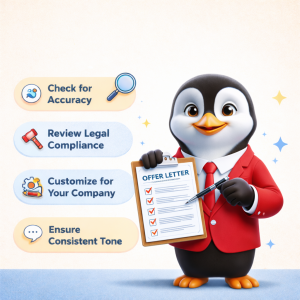
Many employers rely on structured drafting systems, such as the HRTailor.AI Letter Builder, to ensure termination letters remain compliant, consistent, and aligned with organisational policies without missing critical details.
Consistency is often what protects employers most.
Handling Different Termination Scenarios Thoughtfully
Not all terminations are the same. A one-size-fits-all approach can be risky.
Termination letters may differ based on:
-
Performance-related exits
-
Misconduct or disciplinary termination
-
Redundancy or restructuring
-
Contractual or probationary separation
Each scenario requires adjustments in wording, justification, and legal references. HR’s role is to ensure the letter matches the situation accurately.
Confidentiality and Professional Boundaries
Termination letters should never include unnecessary details or internal commentary. Oversharing can create unintended exposure.
Employers should:
-
Limit the letter to relevant facts
-
Avoid referencing internal discussions
-
Keep sensitive investigations separate
-
Maintain employee dignity throughout
Professional restraint is often a company’s strongest safeguard.
Documentation and Record-Keeping: A Critical HR Function
Once issued, termination letters must be properly managed.
HR best practices include:
-
Storing signed copies securely
-
Recording delivery confirmation
-
Limiting access to authorised personnel
-
Aligning records with payroll and compliance files
A properly issued termination letter to employee becomes a reliable reference if questions arise later.
Why Well-Handled Termination Protects Employer Reputation
How a company handles exits often speaks louder than how it hires.
Respectful and compliant termination processes:
-
Reduce legal and reputational risk
-
Maintain organisational credibility
-
Reinforce trust among remaining employees
-
Demonstrate leadership maturity
Employees may leave—but workplace culture remains.
Final Thoughts
Termination letters sit at the intersection of law, communication, and responsibility. For employers and HR teams, they represent more than an administrative task—they reflect how the organisation handles accountability and fairness.
A thoughtfully prepared termination letter to employee ensures clarity, protects the business, and upholds professional standards, even during difficult transitions.
When handled with care, termination does not weaken an organisation—it strengthens its integrity.