What do you do when an employee shows potential but isn’t fully ready at the end of probation? This is a situation HR teams face more often than they admit. Sometimes, the answer isn’t confirmation or exit. Instead, it’s giving performance the time it genuinely needs to mature.
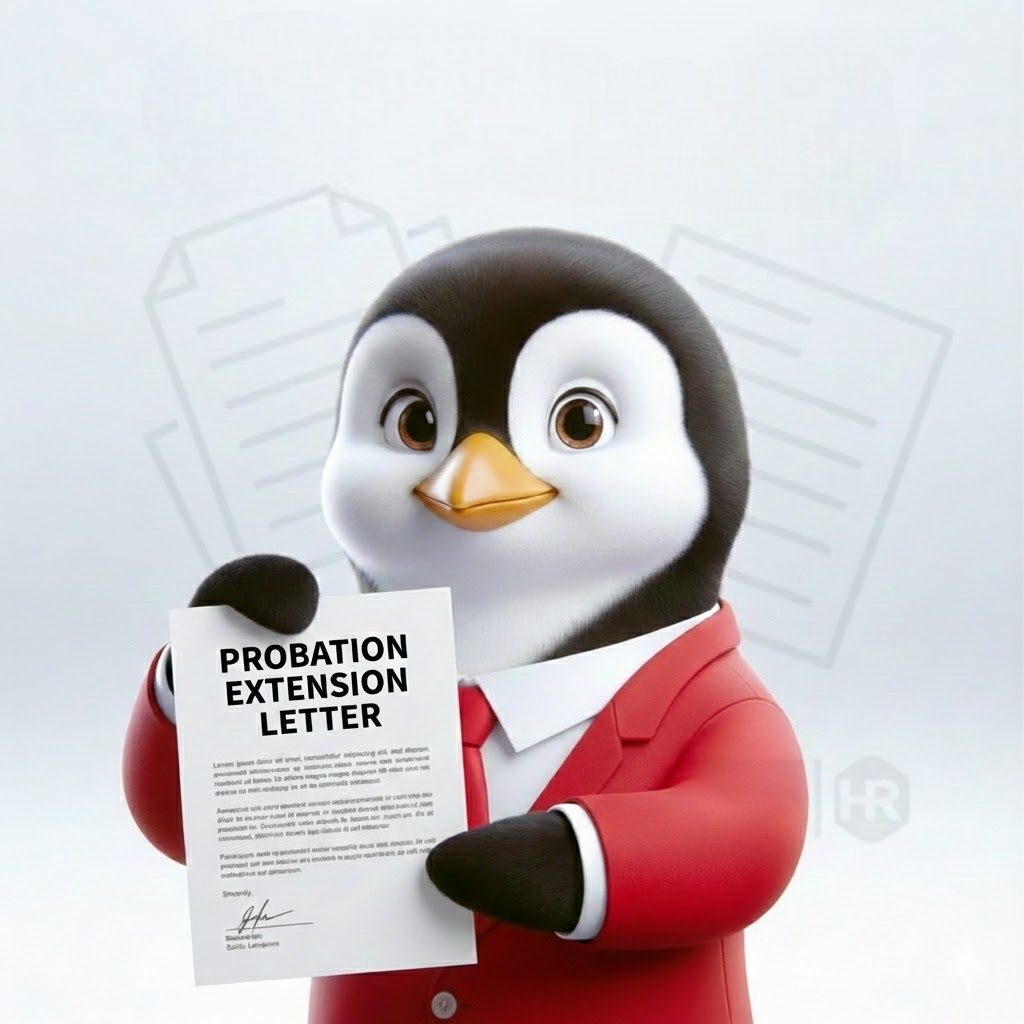
A well-drafted probation extension letter helps balance fairness, compliance, and clarity. More importantly, it protects both the organization and the employee from confusion or disputes. This blog explains when probation extensions make sense, how to handle them correctly, and how AI-powered HR tools can make this process faster, safer, and more consistent.
Why This Topic Matters Today
Workplaces are evolving rapidly. However, performance assessment during probation has become more complex than before.
Remote work, role ambiguity, and frequent role changes often delay clear evaluation. Moreover, managers may need more time to observe real performance outcomes.
As a result, probation extensions are no longer exceptions. They are becoming structured HR decisions.
At the same time, poorly documented extensions can create compliance risks, employee dissatisfaction, and even legal exposure. Therefore, HR teams must approach this process carefully and professionally.
What Probation Extension means
A probation extension means giving an employee additional time beyond the original probation period to meet role expectations.
It is not a punishment. Instead, it is a corrective and developmental step.
For example, an employee may show the right attitude but lack process familiarity. In such cases, extra time with clear goals can lead to success.
Who it is relevant for
This applies across many setups, including:
-
Startups still defining roles
-
SMEs building structured HR processes
-
Large organizations managing high-volume hiring
-
Industries like IT, manufacturing, sales, and support services
Key stakeholders include HR teams, reporting managers, founders, and compliance professionals.
Key Challenges Businesses Commonly Face
Extending probation is not just an operational call. It brings several challenges.
-
Operational challenges: Managers may delay feedback or provide unclear expectations.
-
Compliance risks: Undocumented extensions can lead to disputes or claims.
-
Cost and efficiency issues: Repeated manual drafting consumes HR bandwidth.
Without a structured approach, even a well-intended extension can backfire.
How Businesses Can Address These Challenges
Strategic approach:
Start with clear performance documentation.
Next, align managers and HR on extension criteria. Then, communicate transparently with the employee. Finally, document everything formally and consistently.
This step-by-step approach reduces ambiguity and builds trust.
How AI-Powered HR Tools Make This Faster and Safer
This is where smart HR technology adds real value.
AI-powered platforms can help HR teams draft accurate, compliant, and role-specific letters within minutes. They reduce dependency on manual templates and ensure consistency across the organization.
They also support better drafting hygiene because the process becomes structured. As a result, teams spend less time rewriting and more time managing performance fairly.
Benefits of Getting It Right
When handled correctly, probation extensions offer multiple benefits:
-
Clear documentation and compliance assurance
-
Time savings for HR and managers
-
Reduced risk of employee disputes
-
Better employee experience through transparent communication
-
Higher chances of performance improvement and retention
These outcomes directly impact organizational stability and culture.
Common Mistakes to Avoid
Many organizations struggle due to avoidable errors.
Some extend probation verbally but forget formal communication. Others fail to specify expectations or timelines.
On the other hand, some letters sound overly harsh, damaging morale. These mistakes often happen due to lack of structure, time pressure, or outdated templates.
The good news is that these issues are preventable with the right process and tools.
Best Practices to Follow
Adopting best practices builds credibility and trust.
-
Always specify the extension duration clearly
-
Mention performance gaps objectively, not emotionally
-
Define measurable expectations for the extension period
-
Keep language professional and supportive
-
Maintain documentation hygiene for audits and records
Using AI-based drafting tools ensures these practices are followed consistently, even at scale.
Conclusion
A probation extension letter is more than an HR formality. It reflects how thoughtfully an organization handles performance, people, and potential. When managed proactively, it can turn uncertainty into improvement. When handled poorly, it can create risk and resentment.
By combining clear processes with intelligent HR tools, organizations can manage probation extensions with confidence, fairness, and efficiency, while allowing employees the time they need to succeed.
For instance, tools like HRTailor.AI enable HR teams to generate probation extension communications that are structured, professional, and aligned with company policies, without sounding robotic.
Try HRTailor.AI to create HR letters faster with fewer edits.