Understanding Why Workplace Messages Need Rules
Every organisation runs on communication. Messages fly across emails, chat apps, calls, and internal tools every minute. Most of the time, this works smoothly. However, problems often start quietly. A casual message sent late at night. A joke taken the wrong way. A sensitive client detail forwarded on a personal app. These moments rarely feel serious at first, yet they can quickly turn into disputes, compliance risks, or trust issues.
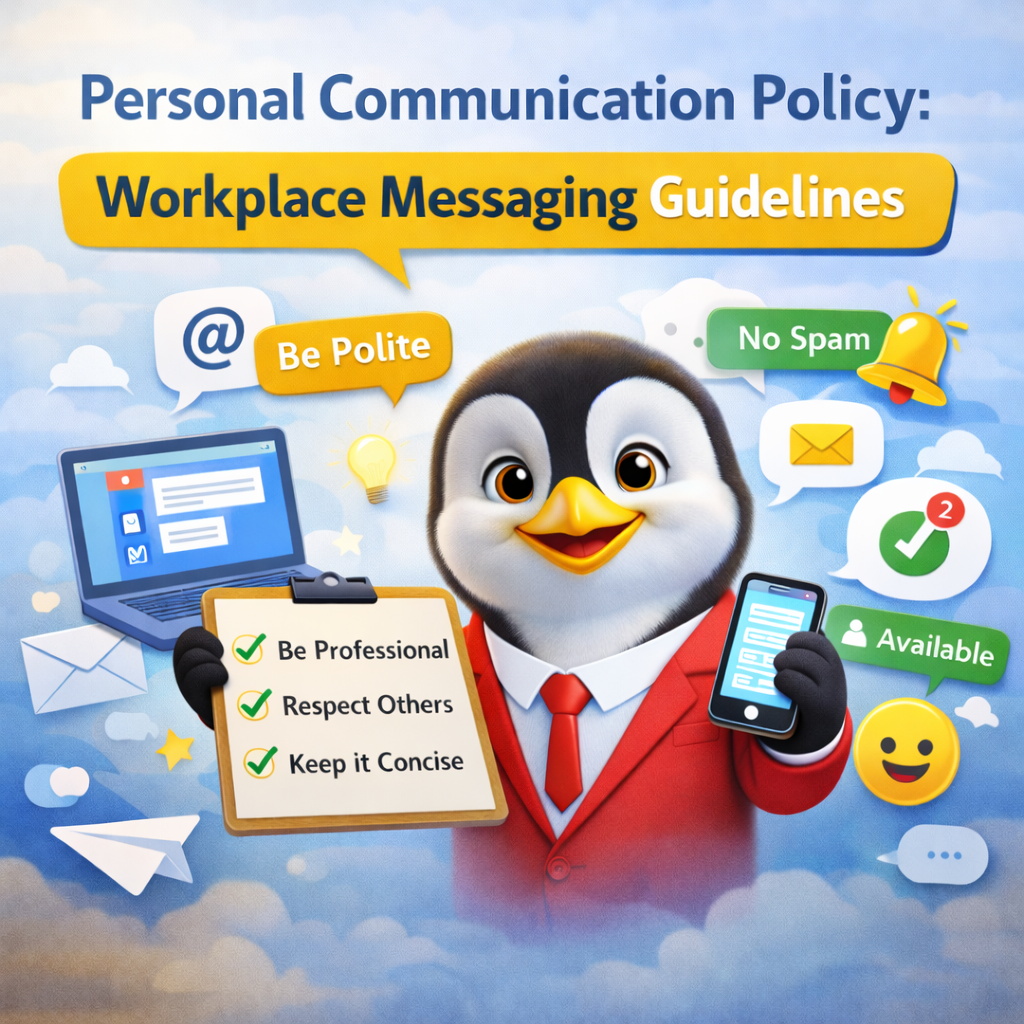
That is why companies create structured guidelines around how employees communicate during work. These rules are not meant to control people. Instead, they protect everyone involved—employees, managers, and the organisation itself. A well-written personal communication policy gives clarity on what is acceptable, what crosses the line, and how to communicate professionally without fear or confusion.
What This Policy Actually Covers
Many employers assume communication rules only apply to official emails. In reality, the scope is much wider. Workplace communication today includes instant messaging tools, personal phones used for work, internal discussion forums, video calls, and even comments made in shared digital spaces.
This policy usually defines:
-
Which channels are approved for official work
-
When personal conversations are acceptable during work hours
-
How respectful language is expected at all times
-
What kind of information must never be shared casually
Without these boundaries, employees are left guessing. Guesswork leads to mistakes, and mistakes often lead to conflict.
The Legal and Compliance Angle Employers Cannot Ignore
From an employer’s perspective, communication is not just cultural—it is legal. Labour laws and workplace regulations across countries require employers to prevent harassment, discrimination, and hostile behaviour. Many data protection laws also place responsibility on organisations to safeguard confidential information, even when employees use personal devices.
Courts and labour authorities frequently review internal messages during disputes. A single inappropriate chat can weaken an employer’s case. Clear documentation shows that the company took reasonable steps to guide employee behaviour. This is where a documented personal communication policy becomes an essential compliance tool rather than a “nice-to-have” document.
How Communication Rules Shape Workplace Culture
Rules influence behaviour more than most leaders realise. When guidelines are clear, employees feel safer expressing ideas. When expectations are vague, people either overshare or stay silent. Both outcomes hurt productivity.
There is also a human side to this. Employees want respect. They want boundaries. They want to know that personal remarks, sarcasm, or pressure through messages will not be ignored. Clear messaging guidelines quietly create a workplace where people feel protected without constant supervision.
Key Elements Employers Should Define Clearly
A strong policy does not drown employees in legal language. It focuses on practical situations they face every day. Most effective documents explain expectations through simple principles rather than threats.
Common elements include:
-
Appropriate tone and language for all work-related communication
-
Restrictions on sharing company data through personal platforms
-
Guidance on after-hours messaging and response expectations
-
Rules around group chats, jokes, and informal conversations
-
Consequences of repeated or serious violations
By addressing these points, employers reduce misunderstandings before they occur.
Why Informal Messaging Needs Formal Rules
Chat tools make workplaces faster, yet they also blur professional boundaries. A message typed quickly lacks tone and context. What feels harmless to one person may feel intimidating or offensive to another.
From an HR standpoint, many workplace complaints today are not about actions, but about messages. Having a documented personal communication policy allows HR teams to assess situations fairly. It sets a reference point that supports consistent decisions instead of emotional reactions.
The Hidden Cost of Not Having Clear Guidelines
When communication rules are unclear, HR teams spend more time managing conflicts than building culture. Investigations take longer. Managers struggle to justify decisions. Employees feel uncertain about what is allowed.
In contrast, organisations with clear policies resolve issues faster. Employees understand expectations upfront. Managers handle situations confidently. This clarity saves time, protects reputation, and supports long-term stability.
Making Policies Practical, Not Punitive
Employees resist policies that feel restrictive or overly formal. The goal is not surveillance. The goal is guidance. Effective employers explain the “why” behind rules. They connect communication behaviour to trust, teamwork, and professionalism.
When employees understand that policies protect them as much as the company, compliance improves naturally. This approach turns the personal communication policy into a shared agreement rather than a rulebook imposed from above.
Where HR Tools Make a Real Difference
Drafting policies manually takes time. Adjusting language for different industries, locations, and work models adds complexity. This is where modern HR platforms quietly support better outcomes.
In the conclusion of many policy journeys, companies turn to tools like HRTailor.AI to simplify documentation. By using guided inputs, HR teams can generate structured HR policies and HR letters tailored to industry, state, and country requirements. The result is consistency without complexity, and compliance without confusion.