Introduction
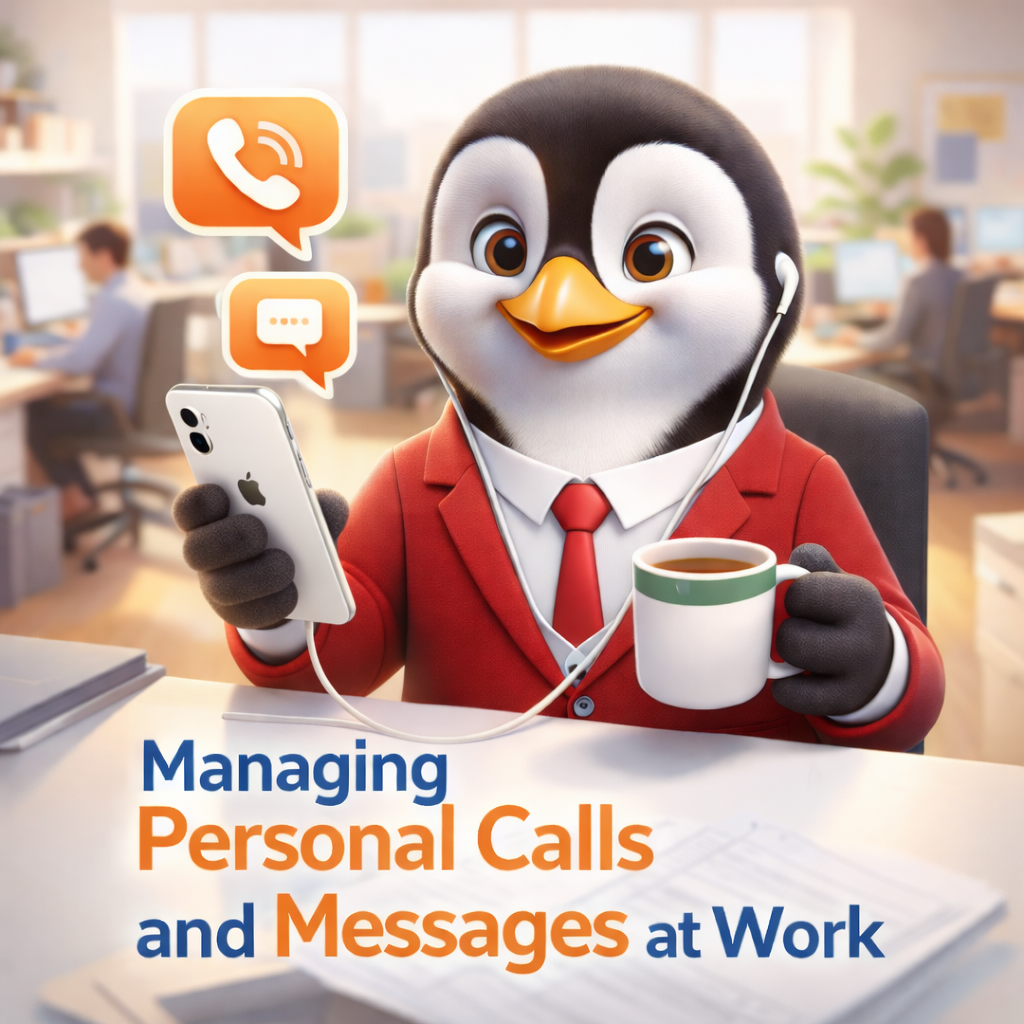
Walk into any office today and you’ll notice something instantly. Phones are everywhere. Screens light up mid-conversation. Messages arrive while meetings are still going on. No one plans for it, yet it keeps happening. And honestly, it’s not because employees don’t care. It’s because work and personal life no longer live in separate boxes.
This is exactly why companies struggle with managing personal calls and messages. Employers don’t want to seem harsh. Employees don’t want to feel controlled. Somewhere in between, productivity, fairness, and trust quietly start slipping. The truth is simple. If expectations are unclear, everyone ends up uncomfortable.
Why This Topic Matters More Than It Seems
Most employers don’t wake up thinking, “We need to control phones today.” What actually happens is slower. One employee takes frequent calls. Another follows the rules and feels annoyed. A manager notices but avoids confrontation. HR hears about it only after resentment builds.
This is where personal communication at workplace discussions become necessary. Not because people are misbehaving, but because silence creates confusion. When rules aren’t written, they turn into assumptions. Assumptions are rarely fair.
Clear guidance protects everyone. It gives managers confidence. It gives employees certainty. Most importantly, it removes the awkwardness of “why them and not me?”
Understanding the Employee Side Without Losing Control
Employees are human. They have families, medical needs, and responsibilities outside work. A strict “no calls” rule feels unrealistic. That’s why blanket bans rarely work. At the same time, employees also want structure. Surprisingly, many feel anxious when rules are vague. They don’t know what is acceptable. They worry about being judged. A well-written policy quietly says, “We trust you, and here’s how to use that trust responsibly.” This balance is where good HR thinking lives.
Where Employers Usually Draw the Line
Successful organisations focus less on counting minutes and more on intent. They ask practical questions:
Instead of micromanaging devices, they set boundaries around behaviour. That approach feels respectful, not restrictive. When personal communication at workplace expectations are defined clearly, employees naturally self-regulate. They don’t need constant reminders. They just need clarity.
The Legal and Compliance Angle Employers Can’t Ignore
There’s also a side many employers realise too late. Uncontrolled personal communication can create compliance risks. Confidential information can be overheard. Calls can be recorded unknowingly. Employees may feel pressured to stay available beyond working hours.
Labour authorities and courts often ask one question: What policy did the company have in place?
If the answer is “none,” even well-intentioned employers can struggle. Documented guidelines show responsibility. They demonstrate that the organisation tried to prevent misuse rather than reacting after damage occurred.
Remote Work Changed the Rules Completely
Work-from-home blurred boundaries even further. Employees now attend meetings from bedrooms and kitchens. Personal calls and work calls happen on the same device. Expecting old office rules to apply here simply doesn’t work.
That’s why companies redefine availability instead of banning communication. They clarify response timelines, meeting etiquette, and focus hours. When expectations are realistic, teams stay productive without feeling watched.
This is especially important when managing personal communication at workplace scenarios across multiple states or countries, where labour norms and employee expectations differ.
Why Written Policies Matter More Than Verbal Instructions
Many organisations rely on “everyone knows how it works here.” That approach fails the moment a dispute arises. Verbal instructions fade. Memories differ. Emotions take over. A written policy does something powerful. It removes personal bias from decisions. It allows HR to act consistently. Employees feel safer knowing rules aren’t invented on the spot. It also supports HR letters like warnings or clarifications. When policies exist, corrective action feels professional, not personal.
What Happens When This Is Ignored
When companies avoid addressing personal communication, the cost isn’t immediate. It builds quietly. Productivity dips. Managers grow frustrated. Employees feel unfairly treated. HR spends time resolving issues that could have been prevented. Clear policies don’t create distance. They create stability. And stability is what allows flexibility to exist without chaos.
Closing Thoughts
Managing personal communication at workplace environments isn’t about control. It’s about respect, fairness, and clarity. Employees deserve to know where the line is. Employers deserve consistency.
As organisations grow, creating and maintaining such policies manually becomes time-consuming and error-prone. This is where tools like HRTailor.AI quietly support HR teams by helping them generate structured HR policies and HR letters using simple inputs, tailored by industry, state, and country. The goal is not complexity, but clarity that scales as the organisation evolves.