Introduction
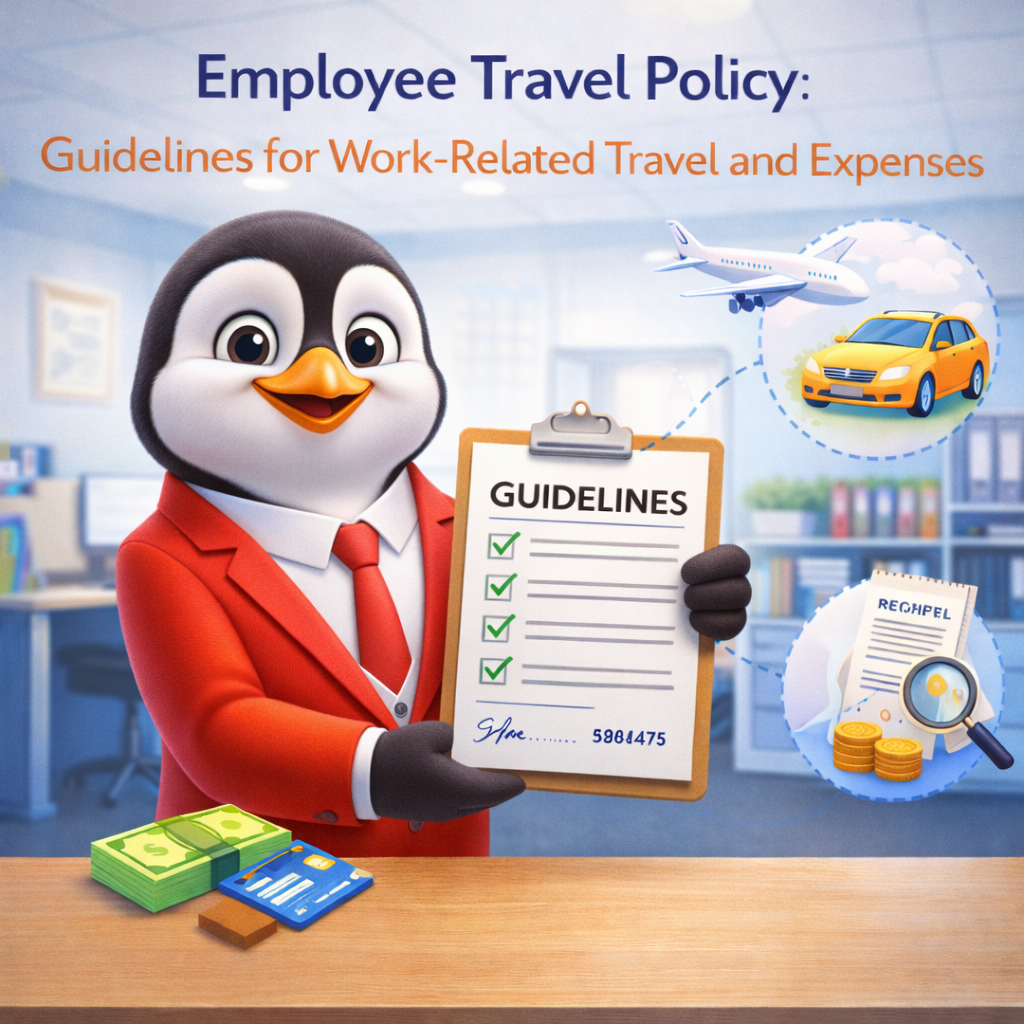
Work-related travel often sits at the intersection of trust, responsibility, and cost control. Employees travel to represent the organisation, close deals, attend meetings, or manage operations—but without clear guidelines, even necessary travel can raise questions. A well-defined business travel policy helps organisations draw clear boundaries while still supporting employees on the move.
For HR and employers, the goal is not to restrict movement, but to create consistency. When guidelines are documented clearly, travel decisions become easier, expense disputes reduce, and employees know exactly what is expected before they book a ticket or submit a claim.
Defining What Counts as Work-Related Travel
Not every trip qualifies as official business travel. One of the most important responsibilities of HR is to clearly define what is considered eligible travel under the organisation’s business travel policy.
Typically, work-related travel includes:
-
Client meetings or site visits
-
Training programmes or conferences
-
Inter-branch or inter-city assignments
-
Temporary project deployments
By documenting this scope clearly, organisations avoid ambiguity and ensure travel approvals remain objective. This clarity also protects employees when claiming expenses linked to approved business purposes.
Travel Planning Responsibilities
Clear responsibility prevents confusion. A strong business travel policy outlines who is accountable at each stage of travel.
This usually includes:
-
Employees planning travel based on approved purpose
-
Managers validating business necessity
-
HR or finance reviewing alignment with policy guidelines
When responsibilities are clearly assigned, planning does not rely on assumptions or informal approvals—especially when travel costs or timelines change unexpectedly.
Booking Standards and Preferred Practices
Organisations often face inconsistent costs when employees book travel independently. To manage this, employers may establish preferred booking practices within their business travel policy.
These guidelines may cover:
-
Approved booking channels or vendors
-
Advance booking requirements
-
Class of travel eligibility
-
Accommodation standards
Such rules are not about micromanagement. They help maintain fairness, cost predictability, and consistency across teams.
Daily Allowances and Expense Frameworks
Daily allowances and expense limits play a major role in employee confidence. When limits are unclear, employees may under-claim, over-claim, or delay submissions.
A clear policy defines:
This structure allows employees to focus on work rather than calculations while travelling.
Documentation and Reimbursement Timelines
Delays in reimbursement can quickly affect morale. HR policies should clearly outline:
-
Mandatory documents for claims
-
Timelines for expense submission
-
Expected reimbursement cycles
Transparent processes strengthen trust between employees and the organisation while enabling finance teams to operate efficiently.
Managing International and Extended Travel
International and long-duration travel introduces additional layers of complexity—currency management, compliance requirements, and employee safety.
A comprehensive employee travel policy should address:
-
Foreign exchange handling
-
Visa-related expenses
-
Travel insurance or medical coverage
-
Approval for extended stays
These guidelines ensure employees remain protected while the organisation stays compliant across jurisdictions.
Handling Deviations and Unplanned Costs
Travel rarely goes exactly as planned. Flights may be delayed, meetings may extend, or emergencies may arise. HR policies should anticipate such situations.
Clear guidance on:
helps avoid after-the-fact disputes and ensures employees feel supported rather than scrutinised.
Why Structured Policy Drafting Matters
As organisations grow, manually drafting or updating travel guidelines can lead to inconsistencies across departments. Many HR teams now rely on structured drafting tools like the HRTailor.AI policy builder, which helps standardise policy language while allowing flexibility based on organisational travel needs.
This approach saves time, improves clarity, and reduces the risk of outdated or conflicting clauses.
Conclusion
A well-crafted travel policy is a silent enabler of smooth operations. When expectations around work-related travel and expenses are documented clearly, employees travel with confidence and managers approve without hesitation. A reliable business travel policy supports accountability, fairness, and financial discipline—without slowing business down.