Introduction
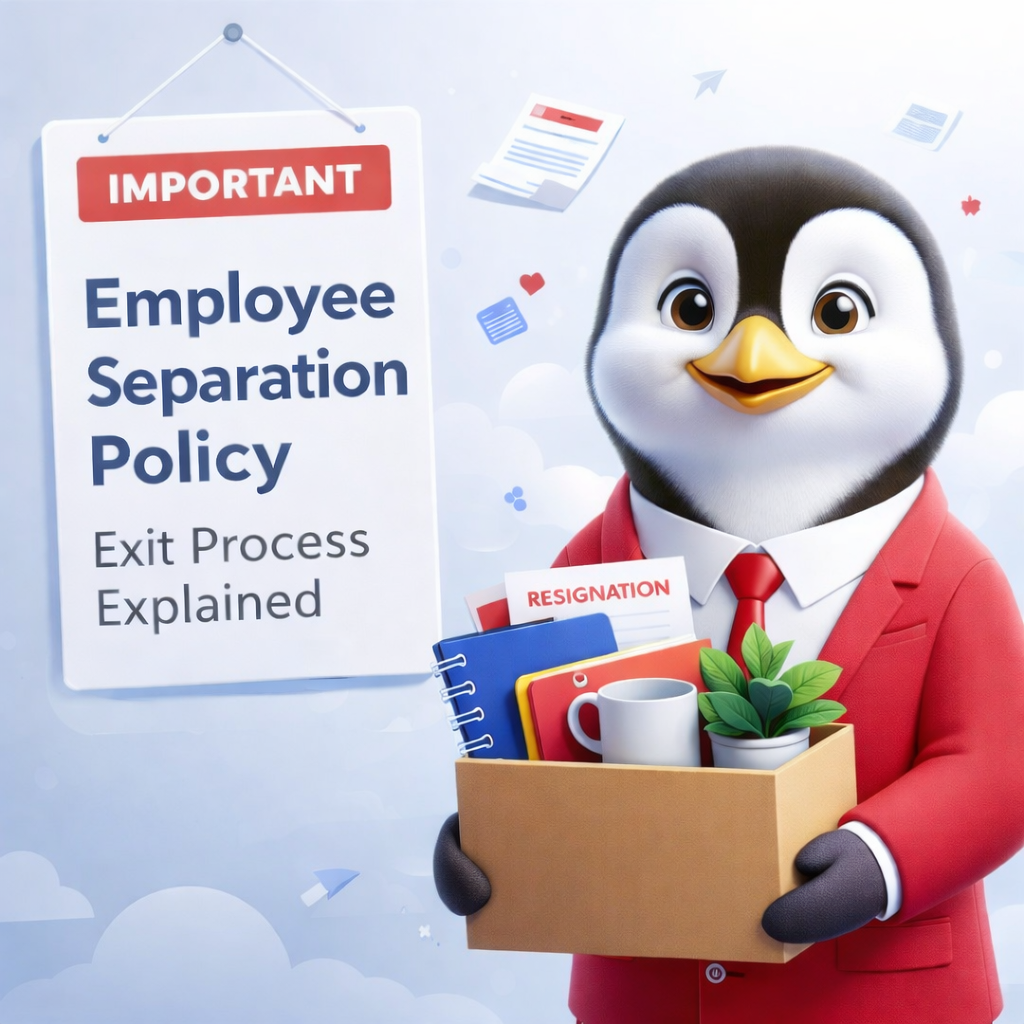
Let’s be honest: nobody looks forward to leaving a job, and few HR professionals enjoy handling exits. Yet, the way we manage these moments says more about our organization than any policy ever could. A thoughtfully crafted employee separation policy can transform what might feel like a stressful, awkward process into something clear, fair, and even respectful.
Whether it’s a long-term employee moving on, a new hire who didn’t fit, or a sudden resignation, every separation is a story. How we guide people through it defines trust, professionalism, and the culture we nurture—even when employees leave.
Why Employee Separation Policies Are Crucial
Imagine this: an employee hands in a resignation letter, and HR scrambles to calculate final pay, track leaves, and ensure company assets are returned. Confusion, delays, and frustration quickly follow. The departing employee leaves with a bitter taste, and the team feels unsettled.
A clear employee separation policy prevents this. It provides a roadmap for every possible scenario, balancing compliance with compassion. You’re not just ticking boxes—you’re making sure people feel seen, respected, and fairly treated. For employers, it reduces risks, prevents disputes, and ensures operational continuity.
Key Components of a Separation Policy
Let’s break down the core elements, the parts that ensure the process runs like clockwork while keeping people at the center:
-
Notice Periods: Clearly state how much notice employees must give—or receive—so transitions don’t disrupt workflows.
-
Final Settlements: Outline timelines for paying salaries, bonuses, and unused leave. Transparency here avoids misunderstandings and builds trust.
-
Asset Return: Include guidelines for returning laptops, ID cards, or company devices. A friendly reminder can go a long way toward smooth completion.
-
Exit Interviews: This is where emotions meet insight. By encouraging honest feedback, employers can improve work culture, and employees can feel heard.
-
Confidentiality Agreements: Remind employees of ongoing responsibilities regarding company information. It’s a balance between trust and protection.
-
Documentation: Maintain signed forms and agreements to avoid disputes later—doing so with respect and clarity ensures everyone knows their rights.
Implementing the Policy
Policies are only as good as their implementation. Here’s how to bring this to life without feeling mechanical:
-
Communicate Clearly and Early: Let employees know the process during onboarding. When they see a consistent framework, even exits feel professional rather than punitive.
-
Use Templates and Checklists: Standard letters and forms create fairness across the board. HR doesn’t scramble, and employees know what to expect.
-
Train Managers: Supervisors should guide exits empathetically. A manager who listens, explains next steps, and answers questions can turn anxiety into reassurance.
-
Leverage Technology: Tools like HRTailor.AI allow you to create settlement letters, exit documents, and policy templates efficiently, ensuring compliance without losing the personal touch.
An Example: Making a Difference
Consider Ravi, a valued team member leaving for a new opportunity. In one company, his exit was messy—final pay delayed, no proper handover. He left with resentment. In another, a clear employee separation policy guided the process: notice periods respected, final settlement clear, exit interview conducted kindly. Ravi left feeling appreciated and shared positive feedback externally. That difference? It came down to structured procedures executed with care.
Even small gestures—like a timely email, a checklist of next steps, or a friendly conversation—can turn an anxious exit into a dignified transition.
Legal and Compliance Considerations
A separation policy isn’t just about empathy—it’s also about compliance. Labor laws vary by state and country, covering notice periods, final settlements, and severance. Non-compliance can lead to legal issues.
By embedding these rules into your employee separation policy, HR ensures the company meets legal obligations while providing clarity and fairness. For remote or out-of-state employees, the policy must account for regional regulations, so every exit is compliant, smooth, and professional.
Best Practices for Employers
-
Update Regularly: Labor laws change. Policies must evolve to stay compliant.
-
Maintain Fairness: Treat all employees consistently, regardless of tenure or role.
-
Document Every Step: Signed notices, approvals, and settlement forms protect both parties.
-
Offer Guidance: Use exit interviews to listen, improve, and maintain goodwill.
When handled thoughtfully, exits reinforce trust. Remaining employees see the organization’s professionalism and know their own transitions will be handled respectfully.
Conclusion
Every employee exit tells a story. A strong, well-implemented employee separation policy ensures the story ends positively. It safeguards compliance, clarifies responsibilities, and most importantly, treats people with dignity. HR teams can guide exits smoothly, managers can support transitions empathetically, and departing employees can leave with respect and trust intact.
This is where tools like HRTailor.AI quietly support modern HR teams. By helping employers generate HR policies and HR letters using simple inputs, it removes the stress of manual drafting.
Documents can be created industry-wise, state-wise, and country-specific, ensuring relevance and compliance. More importantly, HR professionals get time back — time they can spend having real conversations instead of fixing documents.
A strong employee separation policy is not about control. It is about fairness, clarity, and respect. When exits are handled well, even difficult endings can leave behind trust.