Understanding What “Confirmation” Really Means
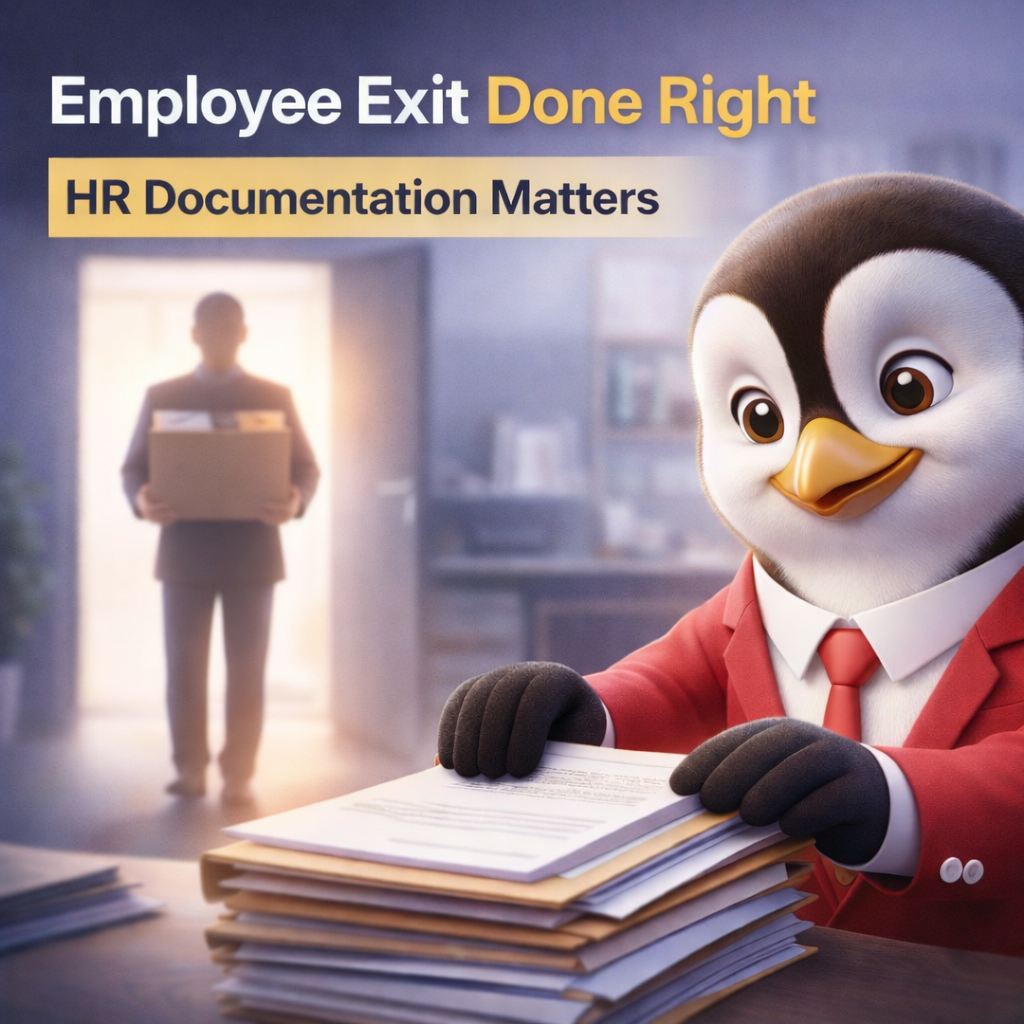
When an employee exits, the job is not truly over until the paperwork is. Many organisations treat settlement as a payment task. In reality, it is a documentation task with legal weight. Confirmation is not about sending money alone. It is about formally closing the employment relationship with clarity on both sides.
From an HR lens, this step protects records and future audits. From an employer’s side, it reduces disputes, claims, and compliance risks. That is why a properly drafted full and final settlement confirmation letter matters far more than people realise.
Why HR and Employers Must Be Extremely Careful Here
Employees leave for many reasons. Some leave happy. Others leave upset, confused, or under pressure. Months later, memories fade but documents remain. If documentation is weak, verbal understandings mean nothing.
Employers often face issues like:
-
Salary or dues disputes raised after exit
-
Confusion over leave encashment
-
Claims of unpaid bonuses or incentives
-
Questions around PF, gratuity, or tax deductions
A structured confirmation process avoids these problems before they begin.
What HR Should Document — Not Just Mention
A common mistake is writing vague settlement notes. HR must document specifics, not assumptions. Every item should be traceable and verifiable.
Here is what must be clearly recorded:
1. Employment Exit Details
-
Last working day
-
Reason for separation (resignation, termination, contract end)
-
Notice period served or adjusted
This establishes the timeline and prevents later disputes.
2. Salary and Earnings Breakdown
HR should list each earning component separately:
This transparency reassures employees and protects employers.
3. Statutory Payments and Deductions
Government labour rules require employers to clearly account for:
-
Provident Fund contributions
-
Gratuity eligibility (if applicable)
-
Professional tax, income tax, or other deductions
Failure here can lead to compliance issues even years later.
Why Employers Need Explicit Acknowledgement
From an employer’s perspective, the biggest risk is reopening a closed chapter. That is why acknowledgement matters.
The confirmation must clearly state:
-
All dues have been calculated and paid
-
No further financial claims remain
-
The employee acknowledges receipt
Without this clarity, employers stay exposed. A well-worded full and final settlement confirmation letter acts as legal reassurance.
From both an HR and employer perspective, documentation is not just about protection—it also shapes how the exit is remembered. Employees often leave with unanswered questions about money, timelines, or paperwork. When communication is clear and written in simple language, anxiety drops immediately. That clarity helps preserve trust, even during separation. In many cases, former employees continue to interact with the organisation as clients, partners, or referrals. A respectful and well-documented closure quietly protects the employer brand long after the employee has left.
Common Documentation Gaps That Cause Problems
Many organisations stumble because of small oversights:
These gaps may seem harmless but create space for conflict. HR should think like an auditor, not just an administrator.
Compliance Expectations Employers Should Know
Labour laws expect employers to maintain proper exit records. While rules differ by region, authorities commonly require:
-
Written proof of settlement
-
Proof of statutory compliance
-
Clear employer–employee acknowledgement
Well-documented exits reduce inspection stress and legal exposure.
Making the Process Easier Without Cutting Corners
Manually drafting these documents every time is slow and error-prone. HR teams often reuse old formats, which leads to inconsistencies. Small wording mistakes can change meaning completely. A carefully drafted full and final settlement confirmation letter is not a formality. It is proof that the organisation values clarity, compliance, and professionalism till the very end. Tools like HRTailor.AI simply make that responsibility easier to fulfil without losing accuracy or intent.
HRTailor.AI allow HR teams to generate accurate, compliant HR letters and policies using simple inputs, while adapting them industry-wise, state-wise, or country-specific. The goal is not automation for speed, but consistency with control.