Warning Letters in HR: Handling Employee Misconduct Professionally
Introduction
Employee misconduct is one of the most uncomfortable areas for managers and HR teams. It sits at the intersection of performance, behaviour, workplace culture, and legal risk. If mishandled, it can damage trust, create fear, or even escalate conflict. Yet, if ignored, it can harm team morale and set the wrong precedent.
That’s why professional documentation matters. Warning letters are not about punishment. They are about clarity—what happened, why it matters, what improvement is expected, and what may happen if the issue continues. For businesses, startups, and SMEs, a consistent approach also ensures managers respond fairly across teams and locations.
Meaning and importance of warning letters
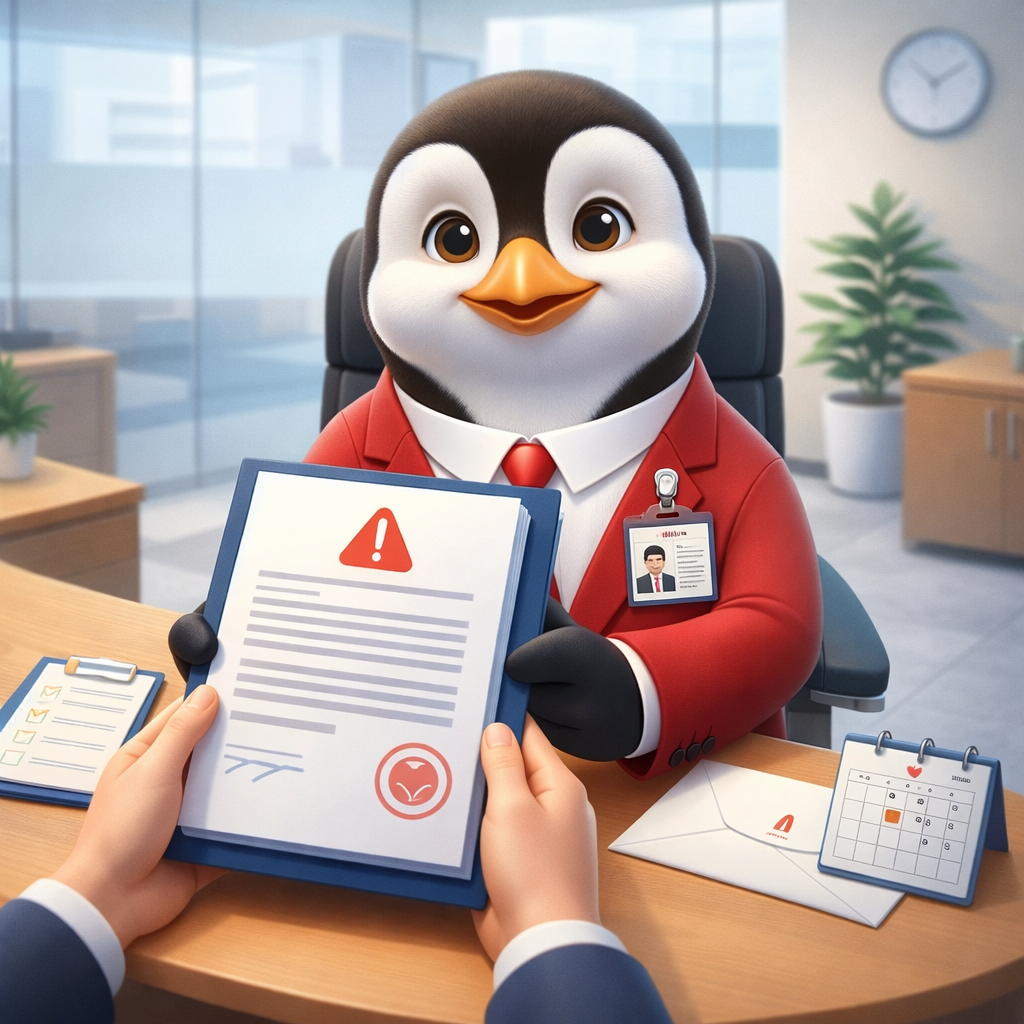
A warning letter is a formal HR communication issued to an employee when there is a concern related to conduct, behaviour, or repeated non-compliance with workplace expectations. It documents the issue and clearly outlines what corrective action is expected.
The importance is practical. A well-written employee warning letter helps:
-
Communicate concerns clearly and respectfully
-
Reduce “he said, she said” misunderstandings
-
Create a record of corrective guidance and timelines
-
Protect organisational consistency across managers
It also signals that the organisation addresses issues professionally rather than emotionally.
Where warning letters fit in the HR letters system
HR letters serve as formal checkpoints across the employee lifecycle. Each letter records a key decision or milestone in a consistent way.
Common HR letters include:
-
Appointment letters (start of employment)
-
Confirmation letters (post-probation outcome)
-
Appraisal and increment letters (review outcomes)
-
Warning letters (misconduct or behaviour concerns)
-
Transfer letters (role/location changes)
-
Relieving and experience letters (exit documentation)
Because warning letters can influence future decisions, they need especially careful drafting and consistent use.
Misconduct vs performance issues (and why it matters)
Before issuing a warning letter, HR should clarify whether the issue is misconduct or performance.
-
Performance issues relate to output, capability, or meeting targets.
-
Misconduct issues relate to behaviour and workplace expectations (for example, repeated late reporting, inappropriate communication, refusal to follow instructions, harassment-related concerns, misuse of company resources, or repeated unapproved absence).
This distinction matters because the tone, documentation style, and next steps can differ. Misconduct communication must be factual, specific, and respectful.
When should HR issue a warning letter?
A warning letter should not be the first step for every issue. In many cases, HR starts with a documented conversation or a written counselling note. However, a warning letter becomes appropriate when:
-
The issue is repeated despite verbal counselling
-
The behaviour is serious enough to require formal documentation
-
The employee disputes the concern and clarity is needed
-
The organisation needs to set clear expectations and timelines
Timing matters. If HR delays too long, the team may feel the organisation tolerates misconduct. If HR reacts too fast, the employee may feel ambushed. A balanced, consistent process is key.
What to include in a professional warning letter
A warning letter should be clear, factual, and free from emotional language. A practical structure includes:
-
Employee name, designation, and department
-
Date of issue
-
Clear description of the incident(s) with dates and context
-
Why the behaviour is unacceptable (in professional terms)
-
Expected corrective action (specific and measurable)
-
Timeline for improvement or review
-
Consequences of repeated behaviour (high-level, non-threatening tone)
-
Acknowledgement section for the employee’s signature or receipt confirmation
Avoid general statements like “bad attitude.” Instead, describe observable behaviour. That improves fairness and reduces argument later.
Use the primary keyword naturally: an employee warning letter should read like a professional record, not a personal complaint.
Tone and fairness: the difference between firm and hostile
Warning letters must be firm, but they should not feel insulting. A neutral tone protects the organisation and keeps communication respectful.
Good practice:
-
Use factual language (“On [date], you…”)
-
Avoid assumptions about intent (“you wanted to harm the team”)
-
Avoid sarcasm or emotional framing
-
Offer the employee a chance to respond, where appropriate
-
Keep the letter consistent with how similar cases are documented
This approach maintains dignity while still being clear.
Why consistent documentation supports compliance and stability
Even when rules vary across states and countries, organisations benefit from consistent documentation standards. Warning letters contribute to stability because they:
-
Provide a clear record if issues escalate
-
Help HR and managers handle similar cases consistently
-
Reduce perceptions of bias or unfair treatment
-
Support cleaner decisions during transfers, promotions, or exits
For SMEs, inconsistency is a major risk. One manager may document issues thoroughly, while another may do everything verbally. Then HR struggles to justify later decisions. Consistent letter structure solves many of these problems.
Manual drafting challenges (and how errors happen)
Many warning letters are drafted under pressure—after a complaint, during conflict, or when a manager is frustrated. Manual drafting increases risk in these situations.
Common manual issues include:
-
Using harsh or emotional language that escalates conflict
-
Copying an old letter with irrelevant details
-
Missing dates, context, or clear expectations
-
Inconsistent consequences wording across departments
-
Multiple versions shared over email without control
Even small drafting mistakes can create big consequences, especially when misconduct cases are sensitive.
Mini scenario — A poorly written warning letter backfires
A manager sends HR a draft warning letter written in frustration after repeated late reporting. The draft includes personal comments and vague claims like “your attitude is unacceptable.” HR edits it quickly, but key details are still missing: specific dates, clear expectations, and a timeline.
The employee disputes the letter and asks what exactly they did wrong. HR then has to reconstruct events, gather attendance data, and rewrite the letter. The delay worsens trust on both sides, and the team feels leadership is disorganised.
A structured template and calm drafting approach would have prevented this escalation.
Best practices to handle misconduct professionally
To keep warning letters fair and consistent, HR teams can follow these best practices:
-
Document facts early (dates, incidents, witnesses where appropriate)
-
Use a standard structure for every warning letter
-
Keep language neutral and professional
-
Define expected improvement clearly (what “good” looks like)
-
Set a review timeline and communicate it
-
Maintain confidentiality and limit circulation
-
Ensure signatory authority is correct
These practices protect employees from unfair communication and protect the organisation from inconsistent actions.
How AI-based workflows simplify HR letters
AI-based document workflows can help HR teams create structured HR letters using basic inputs: issue type, incident dates, employee details, expected corrective action, and review timeline.
This approach helps because it:
-
Reduces emotional drafting under pressure
-
Ensures consistent structure and tone
-
Minimises missing details and formatting errors
-
Speeds up document preparation when time is sensitive
-
Supports standardisation across teams and locations
It also keeps HR focused on investigation quality and employee communication—not formatting.
How HRTailor.AI supports structured HR warning letters
HRTailor.AI is an AI-based HR platform that helps HR professionals and employers generate HR letters, including warning letters, using basic inputs. It supports documents that can be created industry-wise, state-wise, and country-specific, helping teams maintain relevance and compliance across locations while keeping documentation structured and consistent.
If your HR team wants warning letters to be consistent, professional, and fast to produce, structured generation can reduce drafting risk.
-
Generate warning letters using simple inputs and standard structure
-
Reduce emotional drafting and missing details
-
Maintain consistent tone across departments and locations
-
Create location-relevant variants (industry/state/country-specific)
-
Keep HR documentation organised and easy to retrieve
Explore HRTailor.AI to streamline structured HR letter generation for misconduct cases.
Conclusion
Warning letters are not about harshness. They are about clarity, fairness, and professional documentation. When HR handles misconduct with calm, structured communication, the workplace becomes safer and more consistent for everyone.
For businesses, startups, and SMEs, the best approach is repeatable: define when warning letters are needed, use a standard structure, keep tone neutral, and document expectations clearly. With a structured workflow, HR can respond quickly without increasing conflict.


Frequently Asked Questions
A warning letter highlights misconduct and sets expectations for correction. A show-cause notice typically asks the employee to explain an incident before the organisation decides next steps.
-
Usually, the reporting manager issues it with HR’s review and guidance, while the authorised signatory depends on internal delegation (HR head, manager, or leadership). Consistency matters.
In many organisations, yes. Allowing a written response supports transparency and gives HR a complete record of both sides.
Job Contract Agreement Explained With Key Clauses and Examples
Job Contract Agreement Explained With Key Clauses and Examples Introduction...
Read More
What HR Teams Should Check Before Using a Sample Offer Letter
What HR Teams Should Check Before Using a Sample Offer...
Read More
How Salary Taxes Are Calculated on Your Payslip
Your pay slip can look like a mini...
Read More
End of Employment Letters: Resignation, Termination, and Closure Explained
End of Employment Letters: Resignation, Termination, and Closure Explained Introduction...
Read More