When one post becomes a company problem
It usually starts small. A quick post during lunch. A frustrated tweet after a long meeting. Or a casual photo shared without thinking twice. In that moment, the employee feels personal. However, the internet sees something else. It sees a brand, an employer, and a workplace culture on display.
That is exactly why companies can no longer treat social media behaviour as informal. What feels like free expression can quickly turn into reputational damage, legal trouble, or internal conflict. Therefore, having clear social media guidelines for employees is no longer optional. It is essential.
Why silence from HR creates noise online
Many organisations hesitate to document social media rules. Some fear appearing controlling. Others assume “common sense” is enough. Unfortunately, silence creates confusion.
Without clarity, employees guess what is acceptable. As a result, boundaries blur. Moreover, when issues arise, action feels unfair because expectations were never documented. This is where well-defined policies protect both sides. Strong HR policies provide direction, not restriction. They guide behaviour while respecting individual expression.
What companies must clearly document
An effective policy does not lecture. Instead, it explains. Below are areas every organisation should clearly define.
1. Personal vs professional identity
Employees must understand when they are speaking for themselves and when they appear to represent the company. Even a bio line or tagged workplace can change perception. Clear guidance here avoids confusion later.
2. Confidentiality is non-negotiable
Business information, internal discussions, client details, and workplace conflicts should never go public. Indian laws already require protection of sensitive data and trade information. A policy reinforces this responsibility in everyday language.
3. Respectful communication matters
Online behaviour should align with workplace conduct. Discriminatory remarks, harassment, or offensive content can violate company policies and Indian labour norms. What is unacceptable offline does not become acceptable online.
4. Use of company name and branding
Employees should know when and how the company’s name, logo, or events can be shared. This avoids misrepresentation and protects brand identity.
Together, these elements form the backbone of practical social media guidelines for employees that actually work.
Legal reality companies cannot ignore
Indian organisations operate under multiple compliance expectations. Employment laws, IT regulations, data protection requirements, and workplace conduct rules all overlap here.
For example, employers are expected to prevent harassment, protect personal data, and maintain workplace discipline. Social media misuse can violate these obligations even outside office hours. That is why documenting expectations is not just good practice. It is risk management.
Policies alone are not enough without HR letters
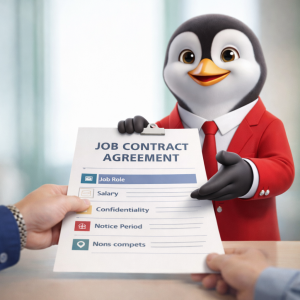
A policy explains rules. HR letters enforce them fairly. Appointment letters often reference expected conduct. Warning letters address misuse. Confirmation or termination letters reflect compliance history. Together, policies and HR letters create structure, clarity, and consistency.
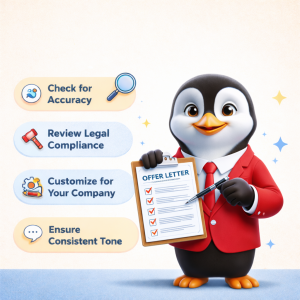
However, drafting these documents manually is exhausting. It also increases the risk of missing legal nuances, state-specific rules, or industry practices.
The cost of getting it wrong
When policies are vague, actions feel arbitrary. Employees feel targeted. Employers feel exposed. Over time, trust erodes.
On the other hand, clearly documented social media guidelines for employees reduce disputes, protect reputation, and create confidence on both sides. Everyone knows the rules. Everyone knows the consequences. That clarity is powerful.
A smarter way forward
Creating clear policies and HR letters should not feel overwhelming. This is where modern HR tools make a difference. At the end of the day, structure creates freedom. When expectations are documented, employees feel safer. Employers feel protected. And brands stay strong.
HRTailor.AI helps HR professionals and employers generate well-drafted HR policies and HR letters using simple inputs. These documents can be created industry-wise, state-wise, and country-specific, ensuring relevance and compliance without manual stress. When policies are clear, people perform better. And that is where strong workplaces begin.