Introduction
Work does not stop life from happening. People fall sick, families need attention, and sometimes the mind simply needs a break. A workplace that understands this builds trust faster than any incentive ever could. That is where a clear and thoughtful leave policy comes in.
At its core, leave is not a benefit handed out reluctantly. Instead, it is a basic structure that protects employees and keeps businesses running smoothly. When leave rules are unclear, confusion replaces confidence. Over time, that confusion quietly damages morale, productivity, and even compliance.
Before diving into types, it helps to first understand why leave policies matter at all.
Why Leave Policies Are More Than Just Rules
A well-defined leave framework sets expectations on both sides. Employees know when they can step away without fear. Employers know how to plan work without last-minute chaos.
In many countries, labour laws already mandate certain kinds of leave. Sick leave, maternity leave, and public holidays are often legally required. When organisations fail to document these clearly, they risk disputes, penalties, and unhappy teams. Beyond compliance, however, there is a deeper emotional layer.
People feel respected when their time is valued. As a result, they show up more engaged and loyal. That emotional return is impossible to measure on paper, yet it is very real.
This is why a strong leave policy is not just administrative. It is cultural.
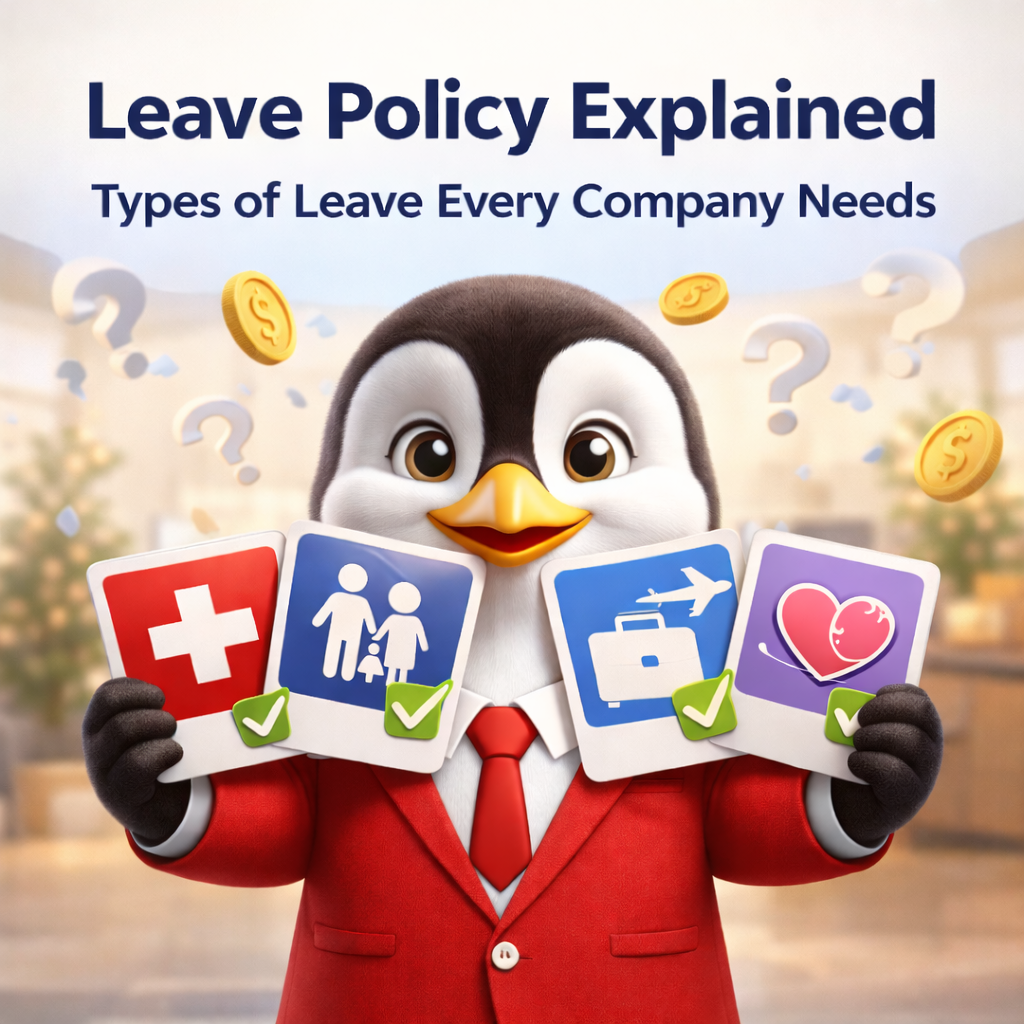
Core Types of Leave Every Company Should Have
Different businesses operate differently. Still, some leave categories are essential across industries.
1. Casual Leave
Casual leave supports short, unexpected absences. It could be for personal errands, family needs, or sudden commitments. When defined clearly, it prevents misuse while still offering flexibility.
2. Sick Leave
Health emergencies should never come with stress about approval. Sick leave protects both the employee and the workplace. Many government regulations require employers to offer paid or unpaid sick leave, depending on tenure and location.
3. Earned or Privilege Leave
This leave accumulates over time and rewards consistency. Employees often use it for planned breaks, travel, or rest. Clear carry-forward and encashment rules are critical here.
4. Maternity and Paternity Leave
Statutory laws in several countries mandate maternity leave, while paternity leave is increasingly becoming standard. These policies reflect how seriously a company values family life and equality.
5. Public and National Holidays
These are typically governed by regional laws. Documenting them avoids confusion, especially for organisations operating across states or countries.
Together, these categories form the backbone of a balanced leave policy without overwhelming the system.
Optional Leave Types That Strengthen Culture
Beyond the basics, some leave types show emotional intelligence. Bereavement leave supports employees during personal loss. Compensatory off helps balance overtime work. Mental wellness leave, although still emerging, signals that emotional health matters.
While not always legally required, these leaves often reduce burnout and turnover. Over time, they save more than they cost.
Common Mistakes Companies Make With Leave Policies
Many organisations document leave rules once and never revisit them. Others write policies that are legally correct but emotionally cold. Another common mistake is inconsistency. When approvals depend on managers instead of policy, trust breaks down quickly. Employees start feeling treated unfairly, even if intentions were good. This is why clarity matters. A well-written leave policy removes personal bias from decisions and protects everyone involved.
Compliance Still Matters More Than You Think
Government labour departments across regions emphasise proper documentation of employee benefits. Leave records, eligibility criteria, and policy communication are often reviewed during audits or disputes.
Non-compliance can result in fines, legal notices, or forced back payments. More importantly, it can damage an employer’s credibility overnight. A structured leave policy acts as both shield and guide in such situations.
Why Writing Leave Policies Is Harder Than It Looks
On paper, writing policies sounds simple. In reality, it takes hours of research, legal checking, and formatting. Errors creep in easily, especially when policies must vary by industry, state, or country. HR teams often juggle multiple responsibilities. Drafting and revising documents manually increases the risk of outdated or inconsistent rules. That is where smart systems quietly help.
Bringing It All Together
A leave policy is not about counting days. It is about respecting time. When employees feel supported during life’s unpredictable moments, they bring their best selves to work.
In the long run, clarity creates calm. Consistency builds trust. And trust keeps organisations stable. Platforms like HRTailor.AI help HR teams create accurate, compliant HR policies and employee letters using simple inputs, tailored by industry and location. Instead of spending hours drafting documents, teams can focus on people, culture, and growth.