Introduction
Short-term internships move fast. You may find a great candidate today and want them to start next week. However, if the letter is delayed or unclear, the intern may lose confidence or accept another offer.
At the same time, founders and operations leads handle many moving parts. So, documentation often becomes a last-minute task, done with copy-paste templates and quick edits.
A simple, consistent process helps. It saves time, reduces confusion, and keeps your records clean for future reference.
Why internship letters need extra clarity for short-term roles
Short-term roles have tighter timelines. Because of that, even small gaps create big confusion.
Common issues include:
-
Start and end dates not clearly written
-
Stipend terms not explained properly
-
Work hours and location not confirmed
-
Reporting manager not mentioned
-
Responsibilities written too broadly
-
No clarity on early exit or termination
As a result, teams spend time on follow-ups instead of onboarding.
What an internship letter should cover (in simple language)
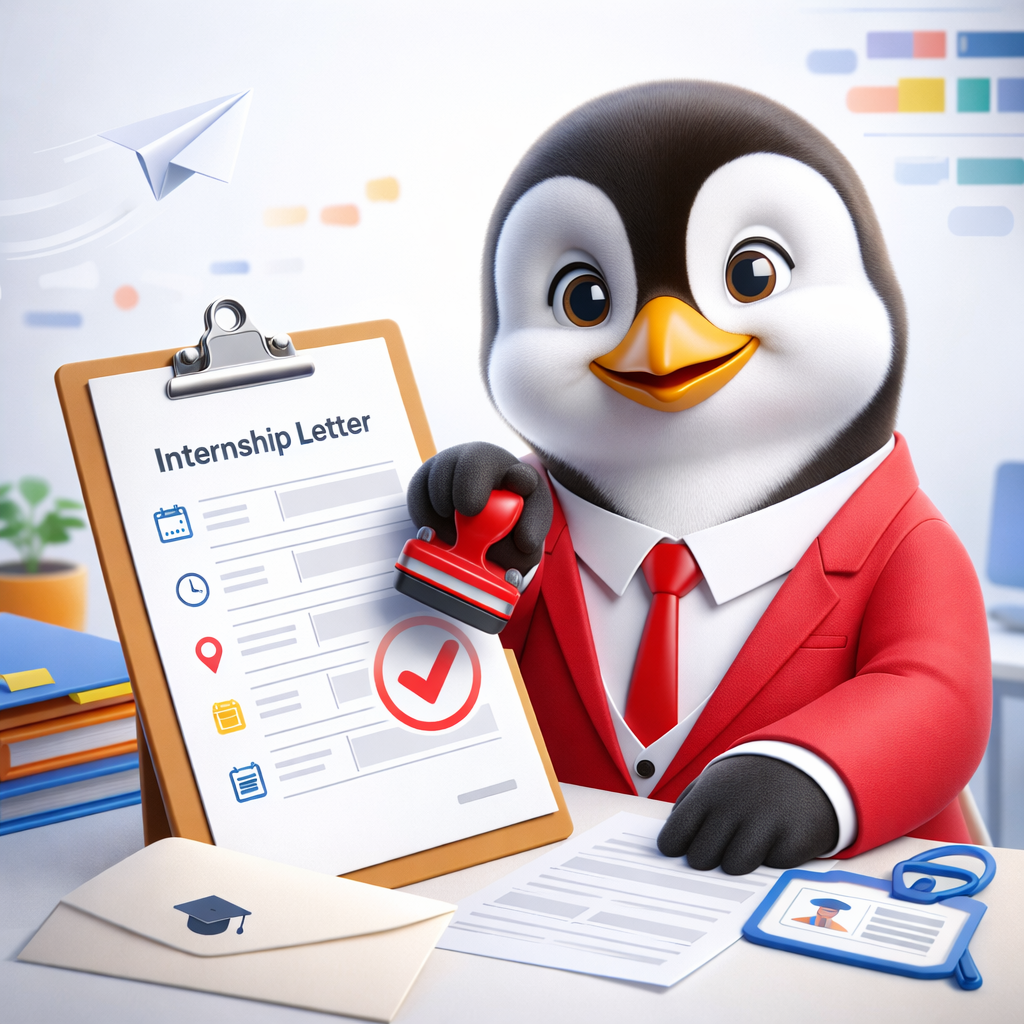
A good internship letter sets expectations and confirms terms. It should be easy for a first-time intern to understand.
Include these basics:
-
Intern’s full name and contact details
-
Role title and department
-
Start date and end date (or number of weeks)
-
Work mode (remote/hybrid/on-site) and location
-
Reporting manager and team
-
Working hours and weekly schedule
-
Stipend/compensation and payment cycle
-
Leave rules (if any)
-
Confidentiality and basic data handling
-
Code of conduct
-
Early exit clause and notice (short and fair)
Also, keep the tone professional and neutral. Avoid complicated legal wording unless you truly need it.
Step-by-step: how to create an internship letter quickly
You can follow this simple process every time.
Step 1: Collect the inputs first (don’t start drafting yet)
Before you write, gather:
-
internship duration (dates/weeks)
-
work mode and location
-
stipend amount and payment cycle
-
reporting manager name
-
working hours
-
key responsibilities and deliverables
Because inputs drive the letter, this step prevents rework later.
Step 2: Use one approved template (not many versions)
Keep one master template for short-term internships. Then, create variations only when needed, such as:
This reduces mismatch errors and improves consistency.
Step 3: Write responsibilities as “support + deliverables”
Intern responsibilities should be realistic for short-term work. So, focus on:
Example responsibilities:
-
“Support the marketing team by drafting 2–3 content pieces per week.”
-
“Assist the product team by preparing research summaries and competitor notes.”
-
“Help QA by executing test cases and documenting defects.”
Also, add one flexible line: “Responsibilities may change based on project needs.” This protects you without sounding harsh.
Step 4: Confirm duration in one clean sentence
Good examples:
Avoid: “around two months” or “tentatively.”
Step 5: Add a short early-exit clause
Short-term roles sometimes end early due to exams, relocation, or project changes.
Keep it simple:
A simple internship offer letter format you can follow
Use this structure to keep your document clean and easy to scan:
-
Header: Company name + date
-
Subject line: Internship Offer / Internship Confirmation
-
Intern details: Name + role title + department
-
Duration: Start date + end date (or weeks)
-
Work arrangement: Location + work mode + hours
-
Stipend: Amount + payment cycle + conditions (if any)
-
Responsibilities: 4–6 bullets, outcome-focused
-
Policies: Confidentiality + conduct + basic rules
-
Exit terms: Early exit + notice
-
Acceptance: Signature line + joining confirmation
If you keep this structure consistent, you can create letters faster and review them in minutes.
Where companies waste time (and how to prevent it)
Most delays happen due to manual steps. For example, someone drafts the letter, another person edits it, and then finance asks to change the stipend line. After that, the manager wants to revise responsibilities.
To reduce this, standardise two things:
That is exactly where AI-powered workflows help.
How AI workflows reduce errors for internship letters
AI works best when it follows a process. So, instead of “write a letter,” the workflow asks you to choose options and fill key fields first.
Many modern letter builders start with structured selections like letter type, work mode, country, city, industry, company type, and employee type, and then generate the document based on those inputs. This reduces missing details and improves consistency across teams.
They also support faster sharing by giving downloadable outputs in PDF and editable Word formats. As a result, you avoid formatting issues and last-minute layout fixes.
Additionally, location-specific wording matters when you hire interns across cities or countries. Tools that adjust letters based on region help reduce compliance risk and prevent mismatched clauses.
A practical “fast + safe” workflow for short-term internships
You can use this internal checklist:
-
✅ Collect inputs in one form (duration, stipend, location, manager, tasks)
-
✅ Select the correct template (paid/unpaid, remote/on-site)
-
✅ Generate a draft and review key fields (dates, stipend, manager)
-
✅ Share for approval (optional but useful for responsibilities)
-
✅ Issue final letter + store it centrally
Even if your team is small, this approach prevents repeated confusion.
Conclusion
Short-term internships need clear letters because timelines are tight and expectations must be simple. When you standardise your template and collect inputs upfront, you can issue letters faster, reduce follow-ups, and keep records consistent.
HRTailor.AI can help by turning the process into a guided workflow: you select the letter type and key details (like work mode, location, industry, and employee type), and then download a clean document in PDF or editable Word format for quick sharing and updates.
Try HRTailor.AI to create internship letters faster with fewer errors.