Internship Letter: Terms, Duration, and Responsibilities
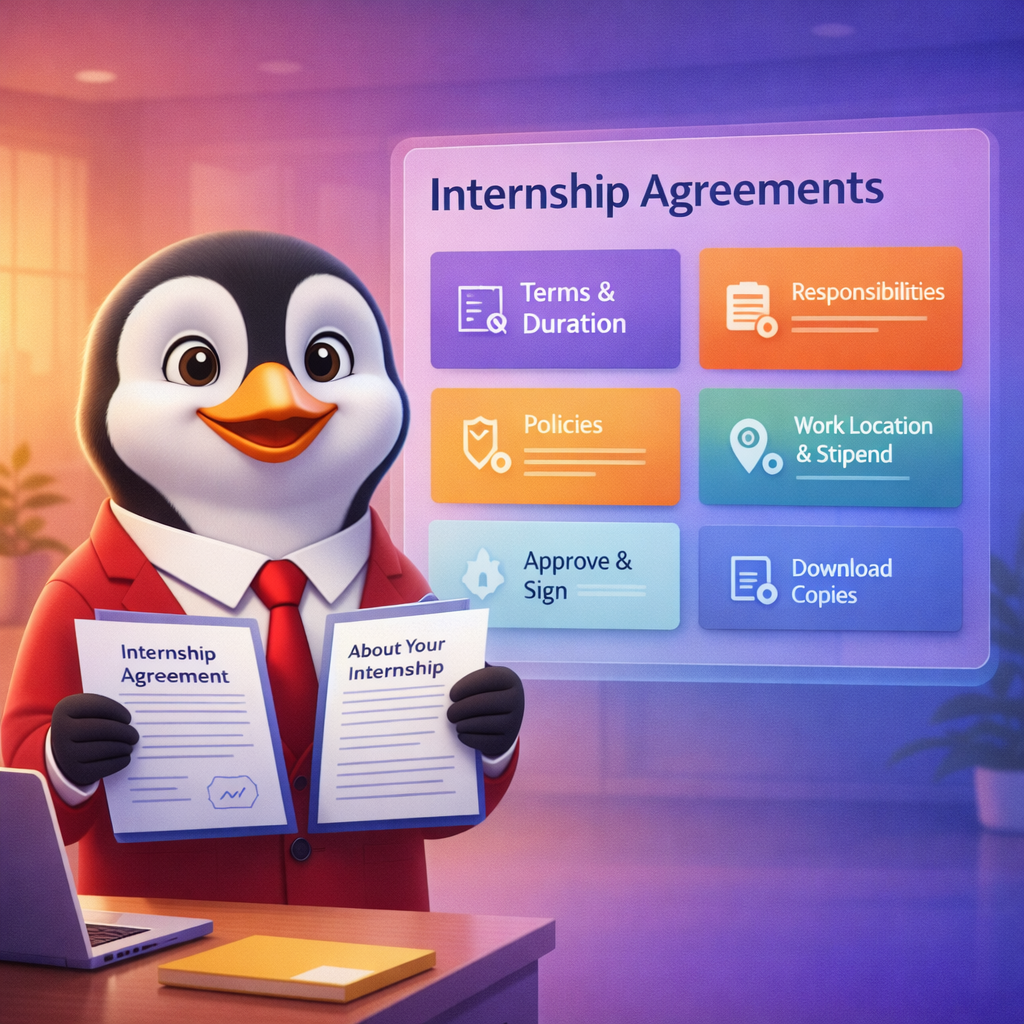
Introduction
Internships help startups and SMEs build a talent pipeline. However, they also add paperwork at the busiest time—when teams are hiring fast, shipping products, and managing daily operations.
Because internship terms can differ by role, location, and duration, documentation often becomes inconsistent. As a result, interns may feel unsure about expectations, while managers struggle to track what was agreed.
A simple, clear internship letter fixes this early. It also protects the company by keeping records complete, accurate, and easy to find later.
What an internship letter should achieve
An internship letter should do three things well:
-
Set expectations clearly, so interns know what success looks like
-
Confirm key terms so there is no confusion later
-
Support compliance with documentation that matches your policies and local norms
Therefore, the letter should stay practical, not complicated.
Core terms to include (quick checklist)
Even if your internship is short, include these basics:
-
Intern’s full name and contact details
-
Internship title and department
-
Start date and end date (or expected duration)
-
Work mode (on-site, remote, hybrid) and work location
-
Reporting manager name and team
-
Working hours and weekly schedule
-
Stipend/compensation (or unpaid terms, if applicable)
-
Confidentiality expectations and data handling basics
-
Code of conduct and workplace behaviour expectations
-
Leave rules (if any)
-
Termination/early exit clause (simple and fair)
Also, use plain language. If someone needs to “interpret” the letter, it is already too complex.
Duration: how to define it clearly
Duration causes the most confusion, so write it in one clear line.
Good options include:
-
“This internship will run from 01 May 2026 to 31 July 2026.”
-
“This internship is for 8 weeks, starting 01 May 2026.”
-
“This internship may be extended based on performance and business needs.”
However, avoid vague wording like “two months approximately.” Instead, confirm dates or weeks.
Responsibilities: how to write them without overpromising
Many companies write responsibilities like a full-time job description. That creates stress for interns and risk for managers.
A better approach is to keep responsibilities outcome-focused:
-
Key tasks the intern will support
-
Tools they will use (if relevant)
-
Expected deliverables (weekly report, draft deck, test cases, etc.)
-
Learning exposure (shadowing, training sessions)
For example:
-
“Support weekly reporting by updating trackers and preparing summaries.”
-
“Assist the marketing team with content drafts and basic research.”
-
“Help QA team with test execution and bug documentation.”
Meanwhile, add a short line like: “Responsibilities may change based on project needs.” This keeps flexibility without sounding unfair.
Stipend and payments: keep it transparent
If you offer a stipend, write:
-
monthly amount
-
payment cycle (monthly/weekly)
-
payment method basics (bank transfer, etc.)
-
any conditions (attendance, milestone completion)
Also, avoid hidden conditions. If you need conditions, state them clearly.
Confidentiality and data: include a simple rule set
Interns often access company data quickly. Therefore, add a short section on confidentiality:
-
Do not share internal documents outside the company
-
Use company-approved tools for work
-
Return or delete data at the end of internship
-
Follow information security basics (passwords, device use)
If you need stronger protection, you can add a separate NDA. Still, keep the main letter easy to understand.
Common mistakes to avoid
These mistakes create most intern disputes and HR follow-ups:
-
Missing end date or duration
-
No reporting manager mentioned
-
Unclear work location for remote/hybrid interns
-
Stipend not explained properly
-
Responsibilities written too broadly
-
No clarity on early exit or termination
-
Template mismatch (wrong company name, wrong role)
As a result, your team wastes time fixing “small” errors again and again.
How AI-powered workflows help teams create consistent letters
Most documentation issues come from manual work. However, you can reduce errors by turning letter creation into a guided workflow.
A strong AI workflow typically starts with structured inputs. For example, many modern HR letter tools ask for letter type, work mode, country, city, industry, company type, and employee type before generating the document. This reduces guesswork because the tool uses your selections to shape the language and structure.
Next, the workflow standardises formatting. It generates a clean, professional layout and keeps templates consistent across teams. As a result, founders and managers don’t need to “edit for tone” every time.
It also helps with location-aware wording. Since expectations vary across regions, the workflow can adjust content based on location to reduce compliance risk for distributed teams.
Finally, speed matters. When a tool offers instant downloads in editable formats (like Word) and share-ready formats (like PDF), teams move faster and avoid formatting issues.
A practical process you can adopt today
If you want a repeatable system, use this process:
-
Collect inputs in one form
Role, duration, work mode, stipend, reporting manager, location. -
Select a standard template
Keep one approved template per internship type (paid/unpaid, remote/on-site). -
Generate a draft and review quickly
HR/ops checks dates, stipend, manager name, and clauses. -
Send for approval (if required)
Manager approves responsibilities and deliverables. -
Issue and store centrally
Save final versions with naming rules (Name + Role + Start Date).
This approach works well whether you hire 5 interns a year or 50.
When to use an internship appointment letter vs offer letter
Companies use both terms. However, the purpose is similar: confirm internship terms in writing. Use an internship appointment letter when you want a formal confirmation of joining, responsibilities, duration, reporting, and stipend in one document. Keep the language practical and aligned with your internal policy.
Conclusion
Internship documentation becomes easy when you standardise what you collect and how you generate letters. As a result, you reduce follow-ups, avoid misunderstandings, and keep records ready for audits or future reference. Also, interns feel more confident because they know the terms, timelines, and responsibilities from day one.
HRTailor.AI can help by turning internship letters into a guided workflow: you select the letter type and key inputs (like work mode, location, company type, and employee type), and then you download a consistent document in PDF or editable Word format for quick sharing and internal approvals.
Try HRTailor.AI to create internship letters faster with fewer errors.


Frequently Asked Questions
It is a formal document that confirms internship terms like duration, role, responsibilities, work mode, stipend (if any), and key policies.
Include start/end dates, responsibilities, reporting manager, work location/mode, stipend details, working hours, leave rules, confidentiality, IP clause, and exit terms.
It depends on your policy and local norms. If you pay, mention the amount and payment schedule clearly. If unpaid, state it clearly and keep expectations reasonable.
Yes, many companies allow early termination based on performance, conduct, or business needs. However, define the notice period (or immediate termination conditions) in writing.
An offer letter usually confirms selection and intent to onboard. An appointment letter typically includes detailed terms, responsibilities, policies, and acceptance/signature lines.

Job Contract Agreement Explained With Key Clauses and Examples
Job Contract Agreement Explained With Key Clauses and Examples Introduction...
Read More
What HR Teams Should Check Before Using a Sample Offer Letter
What HR Teams Should Check Before Using a Sample Offer...
Read More
How Salary Taxes Are Calculated on Your Payslip
Your pay slip can look like a mini...
Read More
End of Employment Letters: Resignation, Termination, and Closure Explained
End of Employment Letters: Resignation, Termination, and Closure Explained Introduction...
Read More