Introduction:
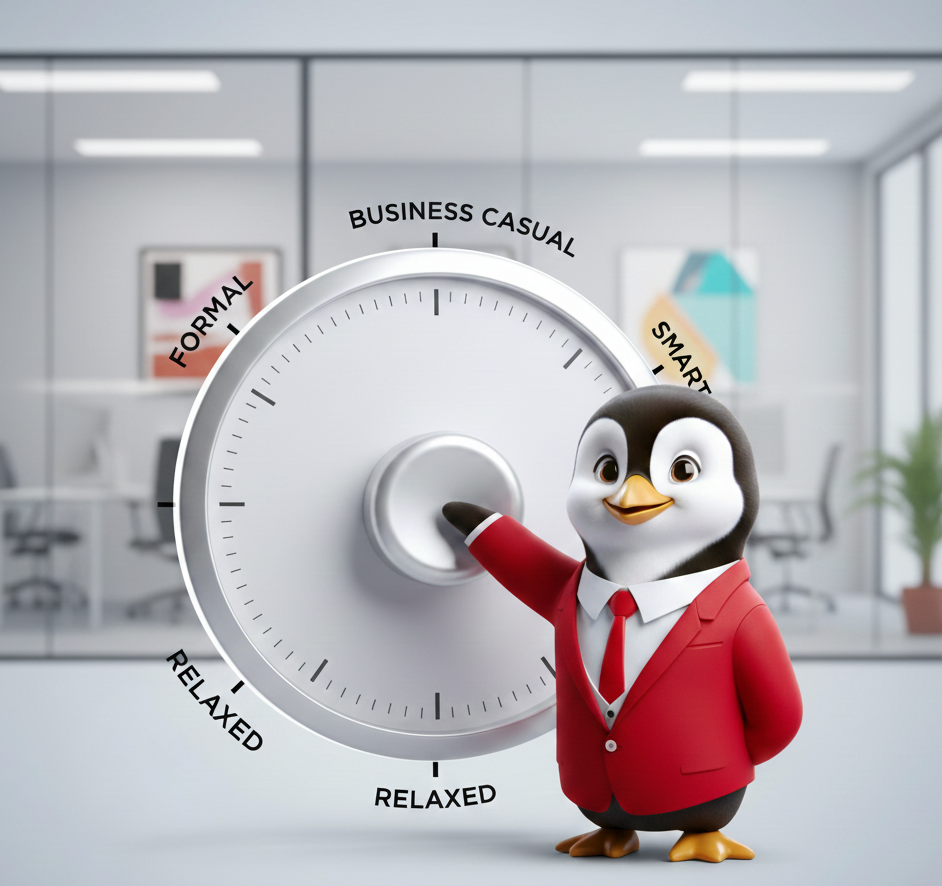
Walk into five different workplaces in a single day, and one thing becomes instantly clear—professional appearance does not look the same everywhere. A software startup, a hospital, a factory floor, a law firm, and a creative agency may all value professionalism, yet each defines it very differently. This difference is not accidental. It is shaped by industry demands, work culture, safety needs, and brand positioning.
Understanding how company dress code rules vary across industries helps employers design policies that feel intentional rather than inherited. And when dress expectations reflect reality, employees follow them more naturally—without constant reminders or corrections.
Why Industry Shapes Appearance Expectations
Every industry operates under a unique mix of operational, cultural, and reputational pressures. As a result, attire is often influenced by factors such as:
-
Client interaction levels
-
Safety and compliance requirements
-
Nature of daily tasks
-
Brand image and public visibility
Instead of enforcing one-size-fits-all standards, organisations that recognize these differences build policies that make sense in context. That context is what determines whether a rule feels reasonable—or outdated.
Corporate and Consulting Environments: Formality as a Signal
In corporate offices, consulting firms, and financial institutions, attire is often used as a visual signal of credibility and trust. Clients expect polish, consistency, and attention to detail before conversations even begin.
Common characteristics in such environments include:
-
Structured clothing such as suits, blazers, or formal business wear
-
Neutral colours that convey stability
-
Clear guidelines for client meetings versus internal workdays
Here, company dress code rules tend to be more detailed because appearance is closely tied to brand perception. A relaxed approach could unintentionally weaken confidence among stakeholders.
Technology and Startup Cultures: Flexibility with Intent
Technology companies and startups often take a very different approach. Creativity, innovation, and comfort are prioritised over formality. However, this does not mean “anything goes.”
In these workplaces:
-
Casual or smart-casual attire is commonly accepted
-
Individual expression is often encouraged
-
Client-facing roles may still follow elevated standards
What stands out is intent. Flexibility is not accidental—it is deliberate. When defined well, these policies support culture while still setting boundaries. Without clarity, flexibility can quickly turn into confusion.
Manufacturing and Industrial Settings: Safety First
In factories, warehouses, and industrial plants, appearance rules are shaped less by branding and more by safety and compliance. Here, attire directly affects risk levels.
Typical focus areas include:
-
Protective gear requirements
-
Restrictions on loose clothing or accessories
-
Footwear standards for hazardous environments
In such cases, company dress code rules are often non-negotiable because they protect lives, not just image. Clear documentation is essential, especially when multiple shifts or contractors are involved.
Healthcare and Life Sciences: Hygiene and Trust
Hospitals, clinics, and laboratories operate under strict hygiene and professional trust expectations. Patients and stakeholders expect visual reassurance of cleanliness and competence.
Dress standards in these environments are shaped by:
-
Infection control protocols
-
Role-specific uniforms or attire
-
Clear identification through badges or colour coding
Here, clothing becomes part of the care experience itself. Policies must be precise, practical, and consistently enforced to maintain credibility and safety.
Creative Industries: Expression with Boundaries
Advertising agencies, media houses, and design studios often encourage self-expression. Creativity is part of the job, and appearance can reflect that freedom.
Still, boundaries exist:
-
Offensive or inappropriate clothing is restricted
-
Client-facing situations may require elevated standards
-
Brand values guide acceptable expression
The challenge lies in balancing freedom with professionalism. Policies that define limits without suppressing creativity tend to work best.
Remote and Hybrid Work: A New Dimension
Remote work has added an entirely new layer to appearance standards. While comfort has increased, visibility has not disappeared—video calls still represent the organisation.
Modern policies now address:
-
Expectations for virtual meetings
-
Appropriate attire during external calls
-
Consistency between remote and on-site teams
Even in distributed teams, company dress code rules help maintain professionalism across digital spaces. Without guidance, teams often operate on assumptions that vary widely.
Global Organisations: Culture Matters
Multinational organisations face an added layer of complexity. Cultural norms differ across regions, and what appears professional in one country may feel excessive or inappropriate in another.
Successful global policies:
-
Set core principles rather than rigid rules
-
Allow regional adaptations
-
Emphasize respect and inclusion
This flexibility prevents cultural friction while maintaining a unified organisational standard.
Why Clarity Matters More Than Control
Across industries, one theme remains consistent: clarity reduces conflict. Employees respond better to guidance that explains why expectations exist, not just what is required.
When policies are drafted thoughtfully, they:
-
Reduce subjective enforcement
-
Support managers during difficult conversations
-
Align appearance with real working conditions
This is why many HR teams now rely on structured frameworks rather than fragmented documents. As organisations operate across industries and work cultures, drafting tailored dress guidelines can quickly become complex. This is where tools like the HRTailor.ai policy builder tool support employers and HR teams. Instead of relying on generic templates, such tools help create structured, industry-aligned policies that are easier to customise, review, and maintain as business needs change—without losing consistency or professional tone.
Looking Ahead
Dress code expectations will continue to differ as industries evolve, and work cultures adapt to new realities. What remains constant is the need for clarity. When organisations take the time to align appearance standards with their industry, workforce, and daily operations, those standards are more likely to be understood, accepted, and followed. A thoughtful approach to defining dress rules helps employers maintain professionalism without unnecessary rigidity, ensuring that policies support both business goals and workplace culture over the long term.