Introduction
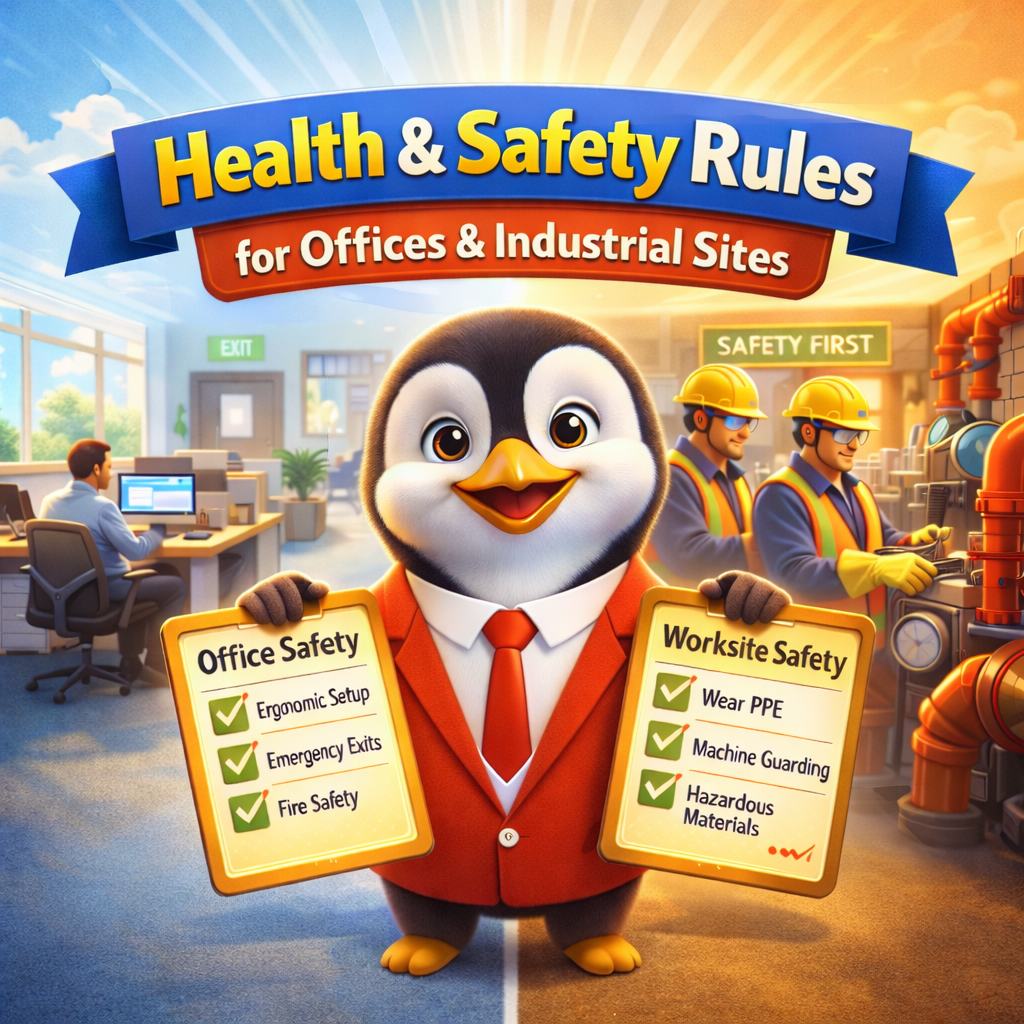
Every workplace, whether it’s a quiet office or a bustling industrial site, carries risks. Even the smallest oversight can lead to injuries, stress, or long-term health issues. Understanding and implementing workplace health and safety rules is not just a legal necessity—it is a moral commitment to the people who make an organization succeed.
A clear set of safety rules provides a framework for both employees and employers. It guides daily behavior, prevents accidents, and builds a culture where people feel valued. Employees gain peace of mind knowing their well-being is a priority. Employers, on the other hand, reduce legal risks, improve productivity, and build trust within the organization.
Why Health and Safety Rules Are Crucial
Accidents don’t only affect the injured individual—they ripple across the team. In offices, poor ergonomics can cause back pain, eye strain, and long-term health problems. In industrial sites, unsafe machinery, chemicals, or improper handling can result in serious injuries or even fatalities.
A well-defined health and safety framework creates prevention-first practices. It tells employees exactly what is expected and equips them with the tools to protect themselves. It also demonstrates the employer’s commitment to a safe and responsible workplace culture.
Consider a scenario where a small factory didn’t enforce proper machine safety or protective gear. Multiple minor accidents escalated into a serious injury, resulting in downtime and legal scrutiny. Had there been clear workplace health and safety rules, such incidents could have been prevented through training, regular monitoring, and proper safety equipment.
Core Rules for Office Environments
Equal opportunity policies provide Employers have specific duties to ensure workplace safety:
- Risk Assessment: Identify potential hazards, from chemical exposure to ergonomic risks, and implement measures to reduce them.
- Training and Awareness: Employees must know how to perform tasks safely. Training includes proper equipment handling, emergency procedures, and hygiene standards.
- Provision of Equipment: Employers should provide protective gear, first aid kits, and safety signage.
- Emergency Procedures: Clear instructions for evacuation, fire drills, or medical emergencies must be in place and practiced.
- Monitoring and Review: Regular checks and updates of safety measures ensure ongoing effectiveness.
By following these steps, employers demonstrate their commitment to employee well-being and legal compliance. Employees, in turn, feel more valued and are more likely to follow safety protocols diligently.
Core Rules for Industrial Sites
Industrial workplaces naturally have higher risk levels. Here are the rules that are most critical:
-
Protective Gear: Helmets, gloves, goggles, masks, and safety shoes must be worn when required. Proper use of PPE (Personal Protective Equipment) can prevent most common injuries.
-
Machinery Safety: Machines must have guards and should be operated only by trained personnel. Emergency stop buttons and regular maintenance checks are vital.
-
Hazardous Materials: Chemicals, flammable substances, and heavy materials require proper labeling, storage, and handling. Employees should be trained in safety procedures.
-
Accident Reporting: Encourage immediate reporting of even minor incidents. Timely intervention prevents escalation and helps improve safety measures.
-
Routine Inspections: Regular audits of equipment, storage areas, and workflows help identify hazards before they cause harm.
Following these rules consistently builds trust and ensures that safety is not just a checkbox but a daily practice.
Practical Tips for Implementation
Rules alone are not enough—they must be actively integrated into daily operations:
- Conduct regular safety training sessions tailored to office and industrial environments.
- Hold monthly or quarterly safety drills to reinforce emergency procedures.
- Maintain visible safety signage at key locations, such as exits, hazardous areas, and first aid stations.
- Encourage employee feedback on hazards or unsafe practices. They often notice risks that management might overlook.
- Use technology and tools, like digital checklists or AI-based policy generators, to ensure compliance and streamline monitoring.
Real-Life Examples
-
A manufacturing unit that enforced helmets, gloves, and eye protection protocols reduced minor injuries by 50% in six months.
-
A software company that provided ergonomic chairs, screen filters, and short screen breaks saw a drop in back and eye strain complaints, and employee focus improved.
-
A chemical lab that implemented strict labeling, PPE use, and regular safety drills reported zero major incidents for over two years.
These examples show that tailored safety rules for different environments are both practical and impactful. They save lives, reduce accidents, and boost employee confidence and engagement.
Conclusion
Implementing workplace health and safety rules is not just about compliance—it reflects an organization’s values. Employees feel secure and supported, while employers maintain legal adherence and foster a positive workplace culture. Crafting and updating these rules manually can be time-consuming and prone to errors. Platforms like HRTailor.AI simplify the process, helping HR professionals and employers create accurate, tailored, and legally compliant health and safety policies efficiently. This allows organizations to focus on what truly matters: building safe, productive, and motivated workplaces where everyone can thrive.