Introduction
Every employee deserves to return home safely at the end of the day. Yet, workplace accidents and health risks are still far too common. A well-crafted health and safety policy is more than just paperwork—it is a commitment from employers to protect their people. Understanding this policy helps employees feel secure and ensures organizations meet legal obligations.
At its core, a health and safety policy lays out employer responsibilities. It specifies procedures to prevent accidents, manage risks, and maintain a safe working environment. It’s a roadmap showing how the organization identifies hazards, mitigates risks, and responds to emergencies. When done correctly, it builds trust, reduces workplace incidents, and promotes a culture of care.
Why Health and Safety Policies Matter
Health and safety policies protect both employees and organizations. For employees, these policies clarify what is expected from them and what support they can rely on. For employers, they minimize legal liability and ensure compliance with national regulations.
Consider a manufacturing company that lacked a clear policy on machinery safety. Several minor accidents escalated into a serious injury, prompting legal action and reputational damage. With a proper health and safety policy, the company could have implemented preventive measures, regular training, and monitoring systems to avoid such incidents.
Core Employer Responsibilities
Equal opportunity policies provide Employers have specific duties to ensure workplace safety:
-
Risk Assessment: Identify potential hazards, from chemical exposure to ergonomic risks, and implement measures to reduce them.
-
Training and Awareness: Employees must know how to perform tasks safely. Training includes proper equipment handling, emergency procedures, and hygiene standards.
-
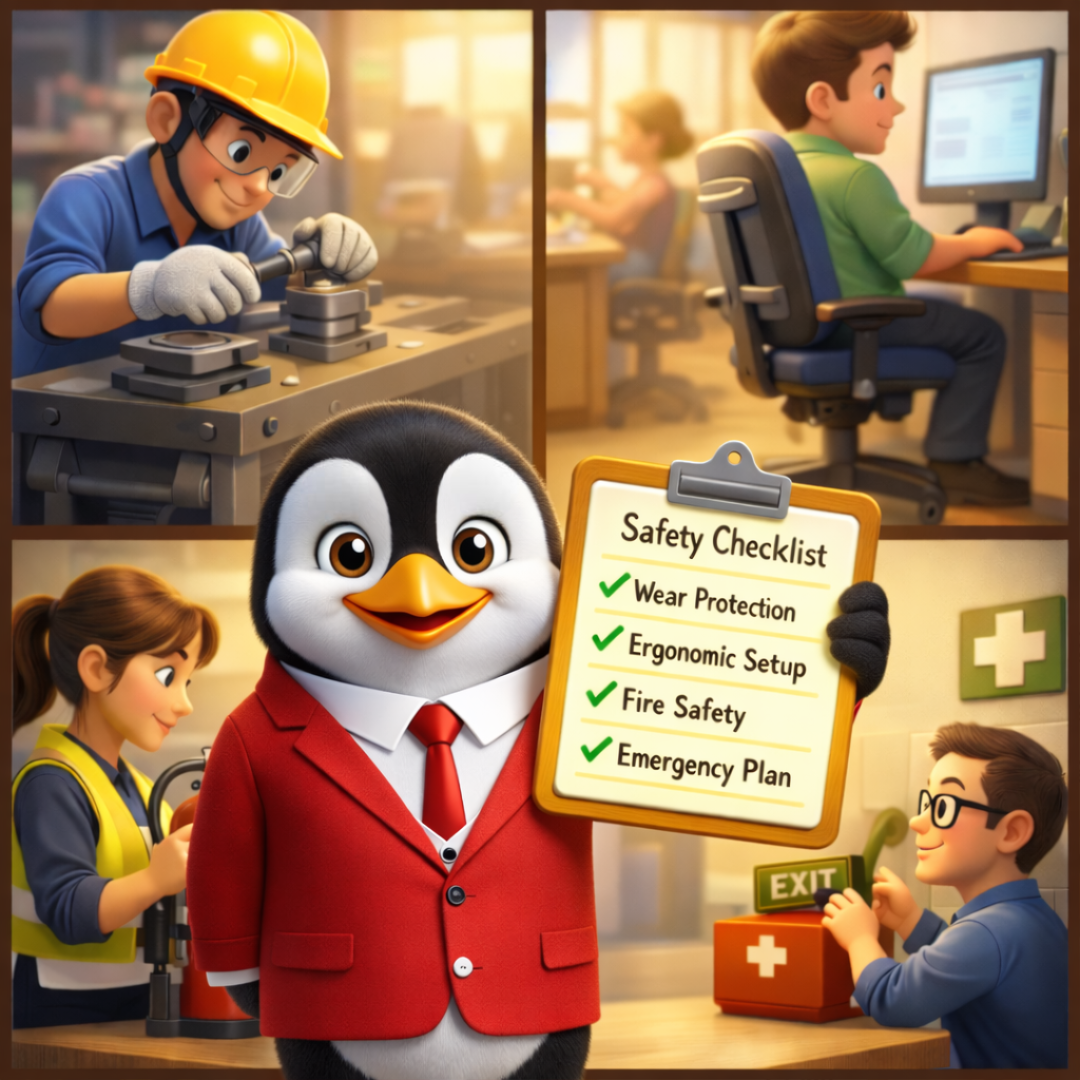
Provision of Equipment: Employers should provide protective gear, first aid kits, and safety signage.
-
Emergency Procedures: Clear instructions for evacuation, fire drills, or medical emergencies must be in place and practiced.
-
Monitoring and Review: Regular checks and updates of safety measures ensure ongoing effectiveness.
By following these steps, employers demonstrate their commitment to employee well-being and legal compliance. Employees, in turn, feel more valued and are more likely to follow safety protocols diligently.
Practical Implementation in the Workplace
Implementing a health and safety policy is not just about creating rules; it’s about building habits. Simple steps like labeling hazardous areas, scheduling routine equipment inspections, and holding monthly safety meetings can make a big difference.
In offices, even small changes—ergonomic chairs, anti-slip mats, clean air systems—can prevent injuries and enhance productivity. In factories or warehouses, protective gear, machine guards, and emergency response drills are critical.
Companies that take these steps seriously often see reduced absenteeism, higher morale, and lower insurance costs. The positive impact on employee trust and engagement is equally significant.
Real-Life Examples
-
Construction Site Safety: A construction firm introduced mandatory helmet, vest, and boot policies, along with daily safety briefings. Accidents dropped by 40% within a year.
-
Office Ergonomics: A software company implemented standing desks, ergonomic chairs, and regular posture workshops. Employees reported fewer back and neck issues and improved focus.
-
Chemical Handling Protocols: A laboratory enforced chemical labeling, PPE, and emergency eyewash stations. This proactive approach prevented any major incidents in over two years.
These examples show that effective health and safety policies are both practical and impactful. They save lives, prevent injuries, and foster a culture where employees feel genuinely cared for.
Conclusion
Health and safety policies are not just compliance documents—they are a reflection of an organization’s values and priorities. Clear policies create a workplace where employees feel protected, supported, and motivated. Crafting and maintaining these policies manually can be time-consuming and prone to oversight. Tools like HRTailor.AI simplify this process, helping HR professionals and employers generate accurate, compliant, and tailored policies and letters efficiently. By using such tools, organizations can focus on building safe, productive workplaces while ensuring consistency and legal compliance across industries and regions.